
A New Era for Museums: Addressing Employment Challenges in Ireland
Irish museums face scrutiny over precarious labor conditions, prompting urgent calls for systemic reform in employment practices within the cultural sector.

The National Museum of Ireland in Dublin attracts over one million visitors annually. However, its workforce endures precarious conditions. The reliance on fixed-term contracts and inadequate pay reveals systemic issues in the cultural sector.
A 2023 report by the Irish Museums Association (IMA) shows that just 37% of museum staff in Ireland hold permanent contracts. Many staff juggle multiple roles across institutions, with a significant number earning less than €25,000 per year, well below the living wage in urban centers like Dublin. These figures illustrate deep-rooted structural inadequacies.
Freelancers and project-based workers fill the sector. Exhibition designers, conservators, and education facilitators often lack access to benefits like paid leave or pensions. A gallery educator, who wished to remain anonymous, described a "cycle of burnout" caused by inconsistent hours and job insecurity. "We’re told our work is vital to public engagement," they said, "but our contracts suggest otherwise."
The IMA’s report does not provide solutions but aligns with broader efforts, such as the National Campaign for the Arts advocating for minimum standards. Last year, the Arts Council of Ireland launched a pilot scheme funding guaranteed income for 2,000 artists; a similar model could stabilize wages for museum professionals.
John Ward, director of the Hunt Museum in Limerick, highlights a critical tension: cultural institutions depend on state funding yet lack resources for competitive salaries. "If the government sees museums as engines for tourism, they must also invest in the people who keep them running," Ward said. Critics argue that this investment should include national frameworks for fair employment practices.
Ireland is not alone in facing these challenges. The UK’s Museums Association started a salary transparency campaign in 2019, urging institutions to disclose payment ranges in job adverts. While many Irish organizations have begun to follow suit, transparency remains inconsistent. Countries like Germany maintain structured pathways from apprenticeships to employment, reducing precarity.
These conditions affect more than individual workers. High staff turnover disrupts institutional memory, curatorial research, and visitor programming. Dr. Máiréad Nic Craith, a lecturer in cultural policy at University College Dublin, explains, "Stable employment is not just a labor issue—it’s integral to the sector’s capacity to fulfill its educational mission."
Addressing these gaps demands a rethinking of museum priorities. Temporary blockbuster exhibitions often divert resources from core staffing needs. Furthermore, the professionalization of museum work—requiring advanced degrees or specialized training—has widened barriers to entry without delivering adequate compensation.
Without systemic change, the museum sector risks alienating the professionals tasked with preserving and interpreting cultural heritage. Restoring balance will require collaboration among policymakers, institutions, and advocacy groups. Solutions must ensure that individuals employed in Ireland’s museums are valued, securing the vibrancy of the nation’s cultural landscape.
- Irish Museums Association - Workforce Insights 2023 — Irish Museums Association
- Basic Income for the Arts Pilot Scheme — Arts Council of Ireland
- Fair Work Framework in the Cultural Sector — Museums Galleries Scotland
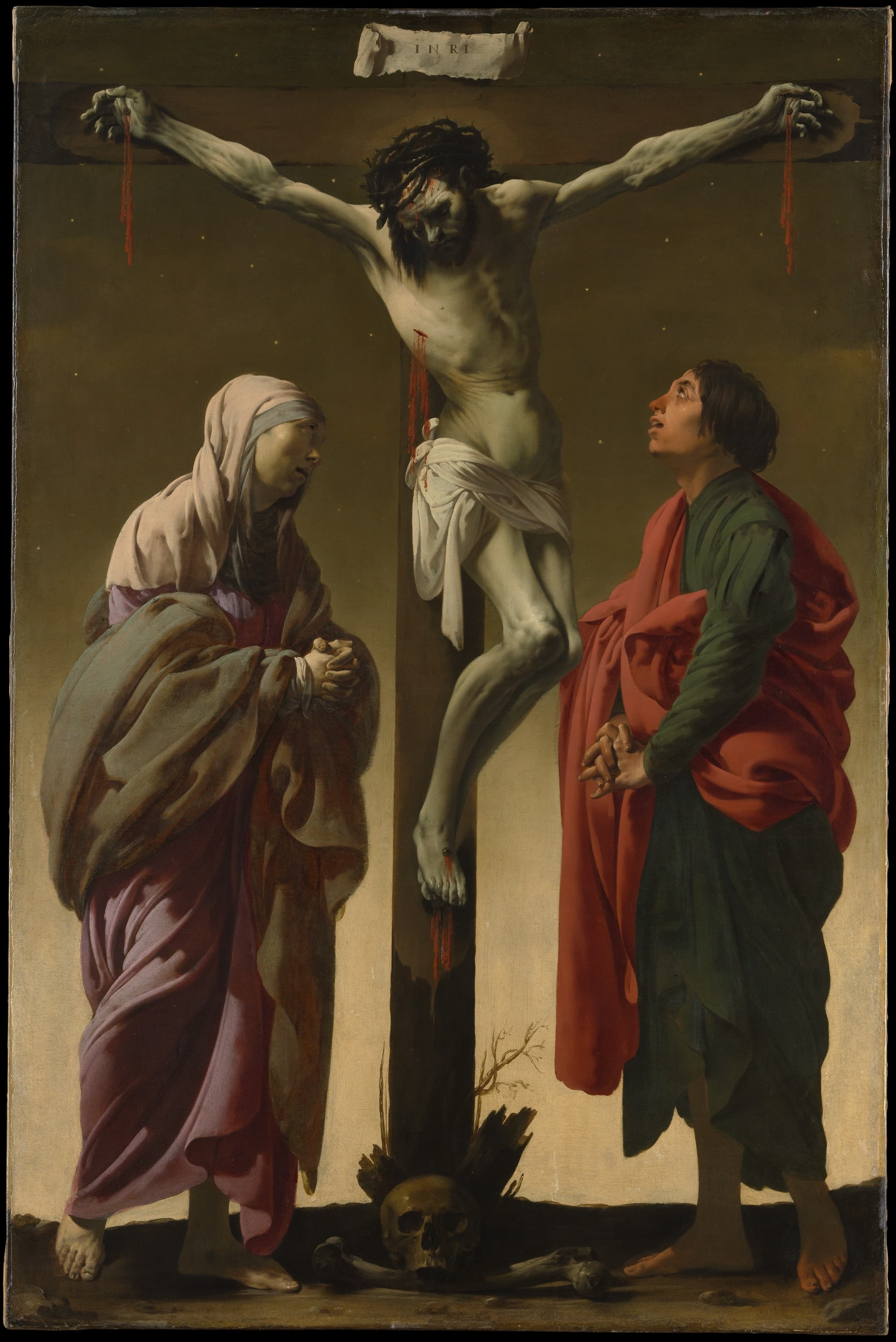
Reinterpreting the Past: Historical Narratives in Contemporary Exhibitions
Modern museums and galleries like Borusan Contemporary reshape historical narratives to engage contemporary art, creating frameworks that juxtapose tradition and innovation.
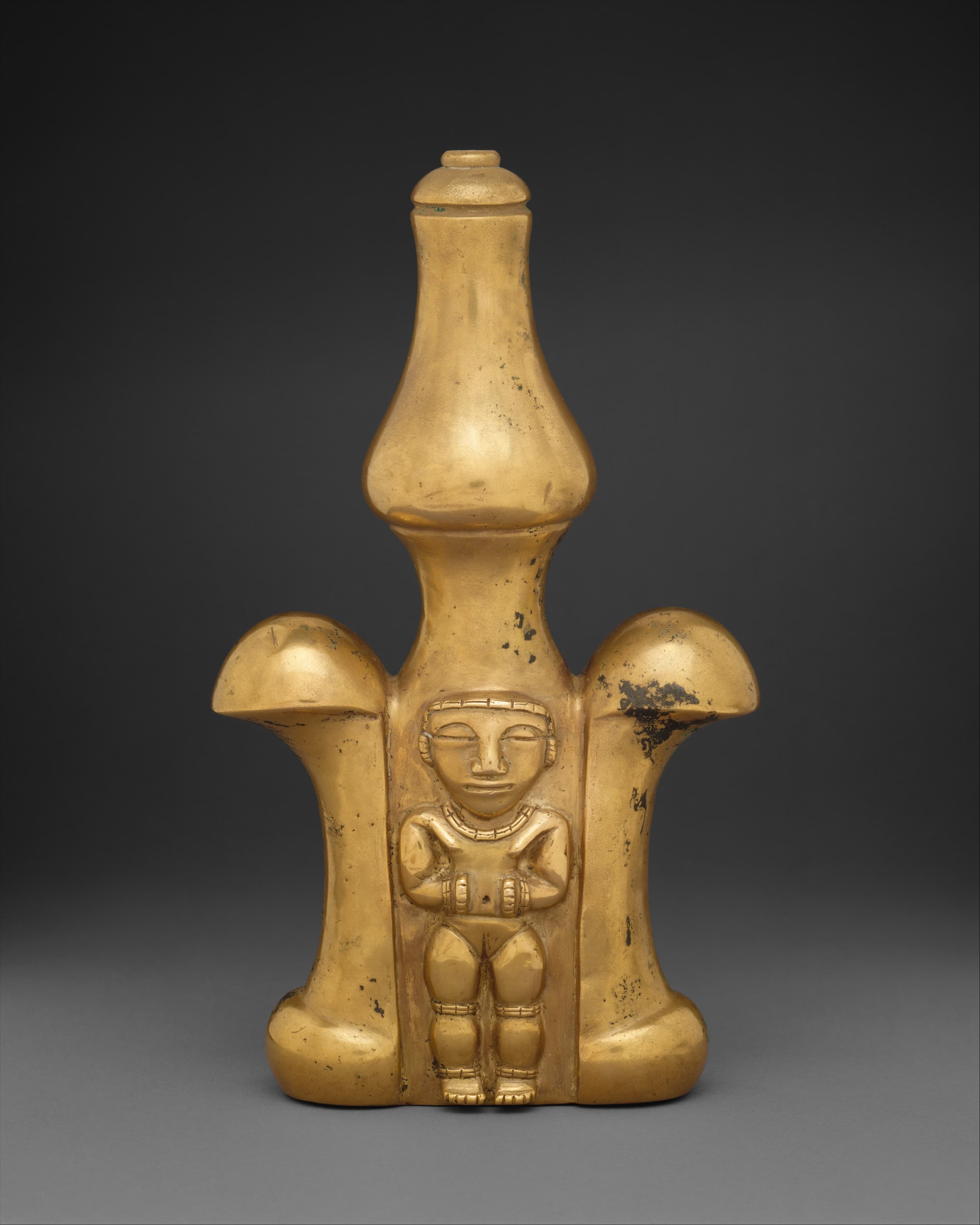
From Containers to Conduits: The Evolution of Contemporary Exhibition Spaces
MALBA and others are transforming museum spaces into dynamic arenas for community interaction and dialogue, redefining the role of cultural institutions in the 21st century.
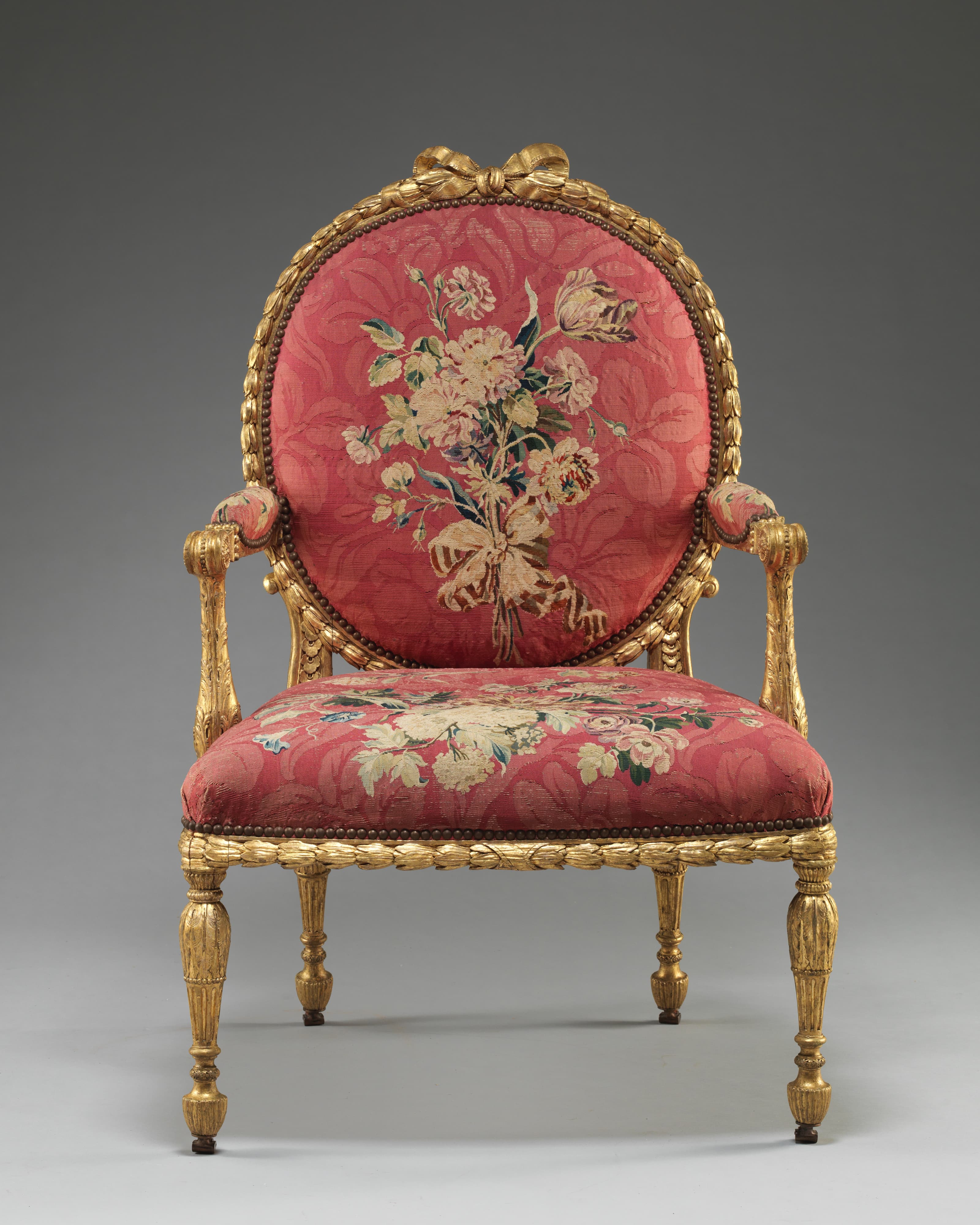
Art and Activism: Museums as Agents of Social Change
Museums are transforming from neutral repositories to active spaces for dialogue, reflecting the demand for cultural institutions to engage with social issues.