
A Rediscovered Chagall and the Gaps in Museum Stewardship
The reappearance of *The Father* by Marc Chagall, once considered lost, challenges assumptions about museum custodianship and raises questions about the care of public collections.
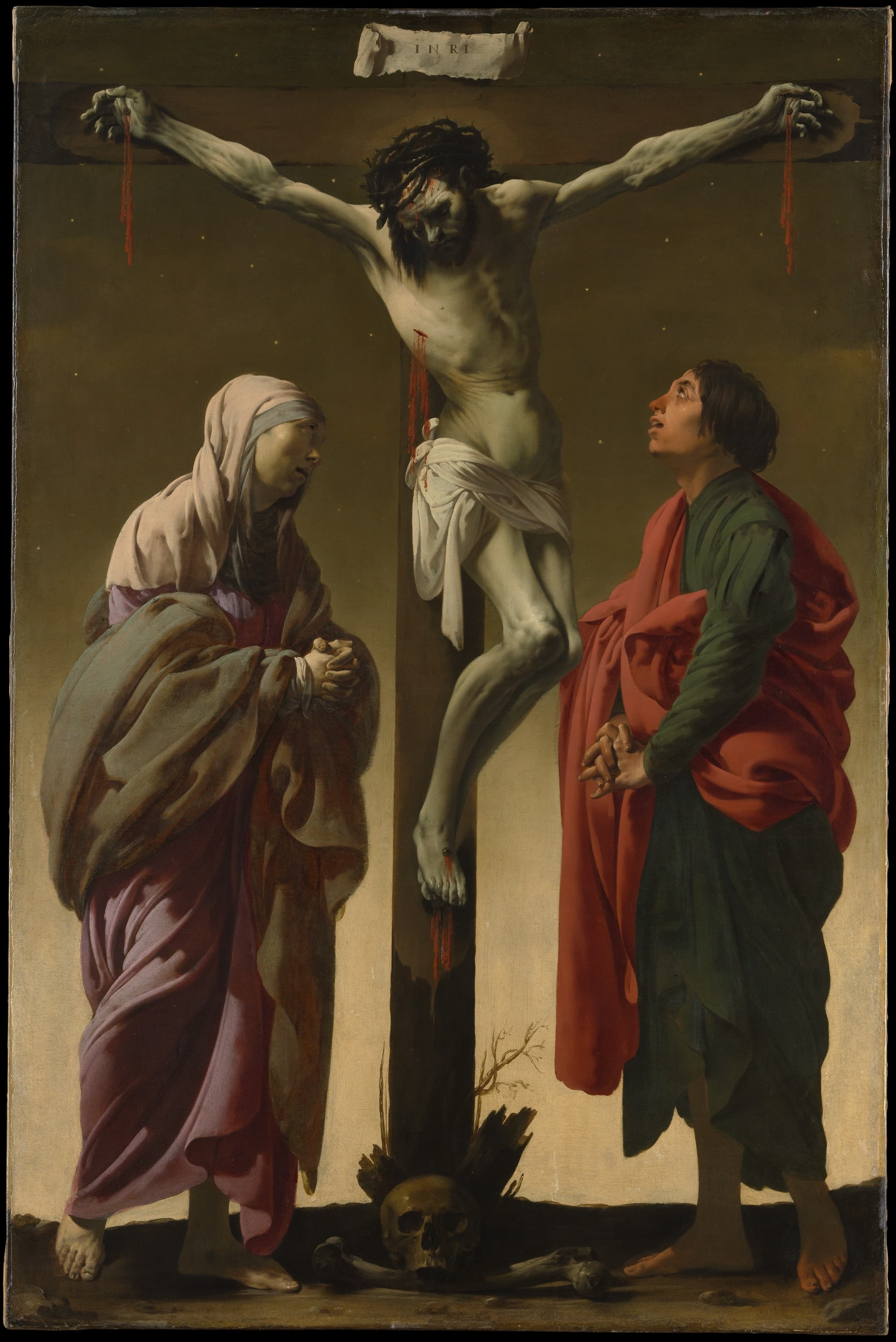
In 2023, a private collection in Ohio revealed Marc Chagall’s The Father (1911), presumed lost for decades. This painting, depicting a bearded man in traditional Jewish dress, challenges how museums and collectors track significant cultural assets.
Last documented in 1923 after an exhibition in Berlin, The Father vanished from the art historical record until its emergence in the Heller estate. The family claims they purchased it “in good faith” from a European dealer in the 1950s.
This rediscovery coincides with a reckoning in the museum world over provenance research and restitution of objects with unclear ownership histories. The Heller family has agreed to return The Father to the Chagall Committee, which oversees the artist’s estate. Philippe Chagall, a descendant and committee representative, called the return “a vital act of cultural reparation.”
However, the painting’s disappearance highlights gaps in institutional stewardship. In the early 20th century, The Father was included in several prominent exhibitions, including the Blaue Reiter group’s 1912 show in Munich. Its absence from collections and scholarship for nearly a century suggests failures in tracking works across private collections and documenting those passing through galleries.
“There’s a persistent myth that once an artwork enters a public-facing context, it’s part of an unbroken chain of knowledge,” said Dr. Miriam Goldstein, a provenance researcher at the Courtauld Institute. “That’s far from reality. Especially in times of war or economic upheaval, works can vanish with alarming regularity.” Goldstein highlights gaps in the wartime records of many European museums, reminding us that the impact of historical disruptions lingers long after the events themselves.
The role of museums is complex. Major institutions like the Metropolitan Museum of Art employ full-time provenance experts, while smaller museums struggle to allocate resources to tracking ownership histories. This creates an ecosystem where works like The Father can slip through cracks, entering private hands without alerting the art historical community.
The rediscovery of The Father has implications for international heritage discussions. Chagall, who fled Russia for Paris and later the United States, remains an artist claimed by multiple cultures. His works reside in major collections from New York (MoMA) to Moscow (Tretyakov Gallery). This piece’s disappearance raises questions about how museums prioritize acquisitions and safeguard culturally significant works circulating in the private market.
The timing is significant. The Father was rediscovered amidst scrutiny of restitution practices for looted art. While the painting does not appear to have been forcibly taken during World War II, its murky mid-century passage to the Heller family mirrors the chaotic fates of many artworks displaced during that period. Museums in Europe have ramped up efforts to address ownership gaps, but expertise and funding remain decentralized. Smaller institutions often lack the budgets to pursue such investigations, leaving them reliant on independent scholars.
“The case of The Father should prompt museums and scholars to reflect not only on what’s lost, but on what’s rediscovered,” said Goldstein. “Every gap in knowledge is an opportunity to re-evaluate—and reinforce—the stewardship role that cultural institutions play.”
Where The Father will ultimately reside is still unclear. The Chagall Committee intends to place the work in a public collection, though no formal agreements have been announced. If it enters a museum, its new custodians will face the responsibility of contextualizing its long absence and ensuring its history is integrated into the public understanding of Chagall’s oeuvre.
As with any rediscovered artwork, its re-entry into the cultural canon highlights the fragility of that canon. The art world thrives on the myth of continuity—the idea that masterpieces persist in an unbroken chain from artist’s studio to museum gallery. Cases like The Father expose fractures in that narrative, fractures that institutional efforts alone cannot always repair.
Whether its journey is seen as a cautionary tale or a redemptive arc, The Father reminds us that preservation is not a passive act. Museums, collectors, and scholars share the responsibility of keeping cultural history visible, accessible, and accountable. As works continue to resurface, they will test the systems that claim to protect them.
- Archives of American Art — Smithsonian Institution
- Courtauld Institute of Art — Courtauld Institute
- The Museum of Modern Art — MoMA
- Tretyakov Gallery — Tretyakov Gallery
Evolving Spaces: Museums and Their Place in Modern Society
From community partnerships to activist programming, museums are rethinking their role in response to social and political shifts.
Art and Activism: How Museums are Shaping Social Change
Cultural institutions are reframing their traditional roles, using art as a lens and catalyst for addressing societal challenges.
Redefining Museums: Accessibility and Engagement in the 21st Century
From tactile tours to street art festivals, museums today are rethinking their role in communities by prioritizing accessibility and fostering deeper connections with the public.