Art and Technology: Evolving Creative Expression in the Age of AI
As AI tools reshape artistic production, the boundaries of creativity and authorship are being redefined, prompting reflection on the future of art and its intersections with technology.
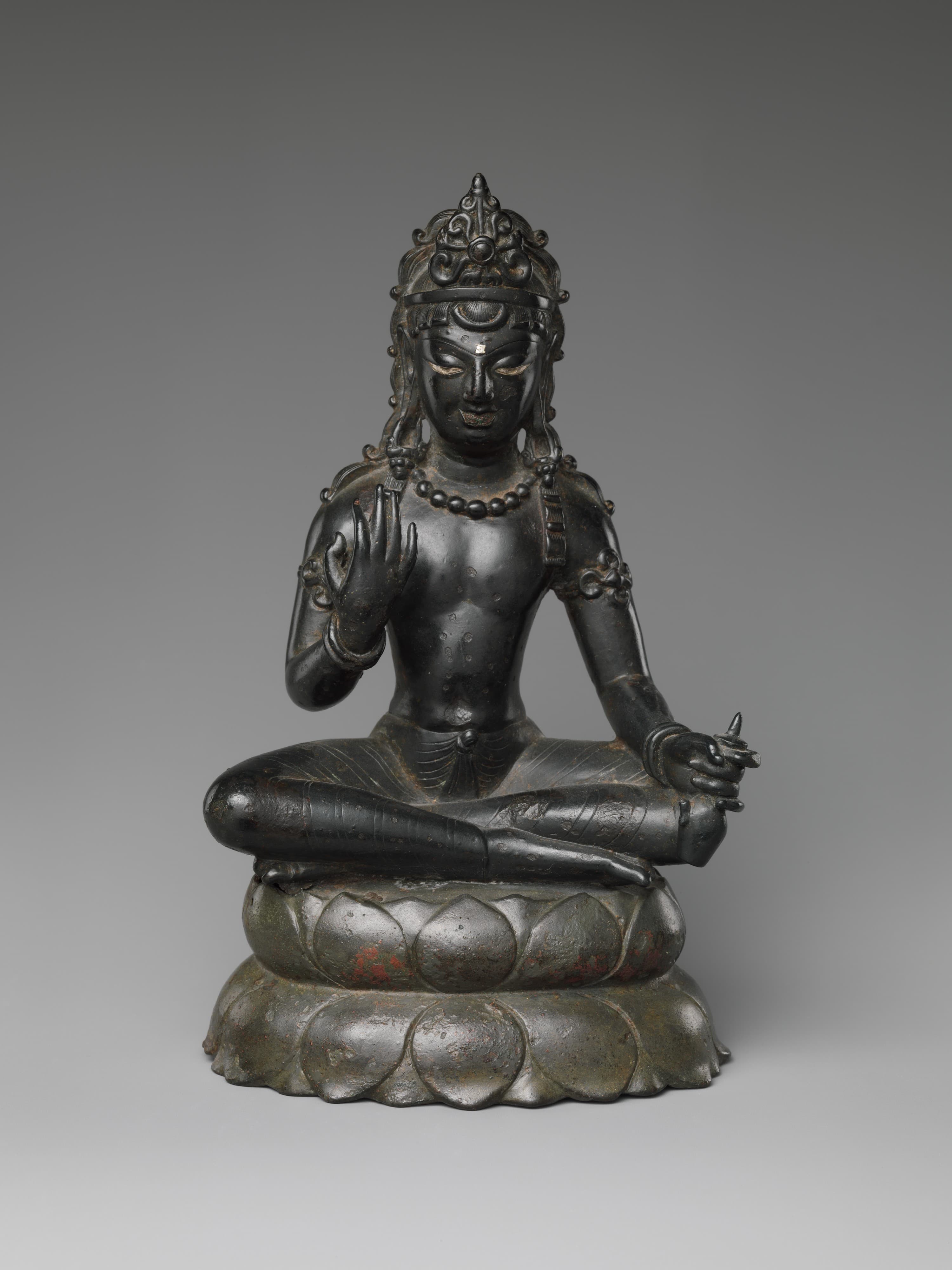
In 2022, Jem Finer’s Earthly Delights at Serpentine Galleries in London generated intricate visualizations using GPT-3-inspired paradigms. This work exemplifies the porous boundary between technology and art.
Digital tools have evolved beyond post-production aids. Generative AI software like MidJourney, DALL·E 2, and Runway ML are reshaping visual culture. Refik Anadol’s Unsupervised, displayed at The Museum of Modern Art (MoMA) in 2023, mined MoMA’s collection database to create machine learning-generated visual abstractions. This project transformed data into art, operationalizing art history itself.
These projects raise critical questions about authorship. If an algorithm's neural network is trained on millions of images, can its outputs be deemed original? Mark Coeckelbergh, Professor of Philosophy of Media and Technology at the University of Vienna, argues that creativity is now a relational act. “Each work is no longer solely the expression of an artist’s singular genius. The art object becomes a node in a network of human-machine collaboration,” he noted in a 2021 essay for AI & Society.
Legal frameworks struggle to keep pace with these advancements. In the US, the Copyright Office has rejected applications for works created solely by AI, including Stephen Thaler’s A Recent Entrance to Paradise, produced by his Creativity Machine. Without a human author, these works lack copyright protection, leaving artists like Anadol in precarious positions regarding intellectual property.
Decentralized technologies like blockchain aim to disrupt traditional art economies. The NFT market peaked with Beeple’s Everydays: The First 5000 Days, which sold for $69.3 million at Christie’s in March 2021. However, the speculative bubble has largely burst. Institutions like LACMA and The British Museum now explore NFTs for provenance and public engagement.
The digital sphere has democratized access to art production. Tools like Procreate, Blender, and Adobe Substance Painter empower creators facing logistical or financial barriers. Platforms like DeviantArt and Behance are essential for distributing completed works. However, this abundance raises challenges related to visibility. The sheer volume of digital art raises the threshold for what audiences find remarkable.
Educational institutions are adapting to these shifts. The Royal College of Art (RCA) in London introduced a Computational Arts program in 2018, recognizing the need to train artists in both traditional techniques and algorithmic thinking. Similarly, MIT’s Media Lab collaborates with artists to explore intersections between creative practice and technological research.
These examples illustrate that technology reconfigures the artist's role from solitary creator to orchestrator of hybrid processes. As these tools evolve, so will the questions they raise. In a 2023 interview with Artforum, curator Karen Archey remarked, “AI art is less about producing finished products than it is about revealing the seams of its making.”
The 'seams'—visible and conceptual—are where much innovation lies. The latency in a neural network’s inference, glitches exposing dataset biases, and algorithmic artifacts hint at underlying code. These elements demand audience engagement with both output and production methods.
The trajectory of technology in art remains uncertain. Will AI and digital platforms homogenize aesthetics, or will they amplify individual voices? What ethical considerations arise as datasets are sourced from historically uncredited labor? These unresolved tensions are central to the future of creativity. Artists cannot ignore these tools, whether they embrace or resist them.
- Jem Finer: Earthly Delights — Serpentine Galleries
- Refik Anadol: Unsupervised — The Museum of Modern Art
- Beeple: Everydays: The First 5000 Days — Christie’s
- AI & Society — Springer
- Computational Arts MA — Royal College of Art
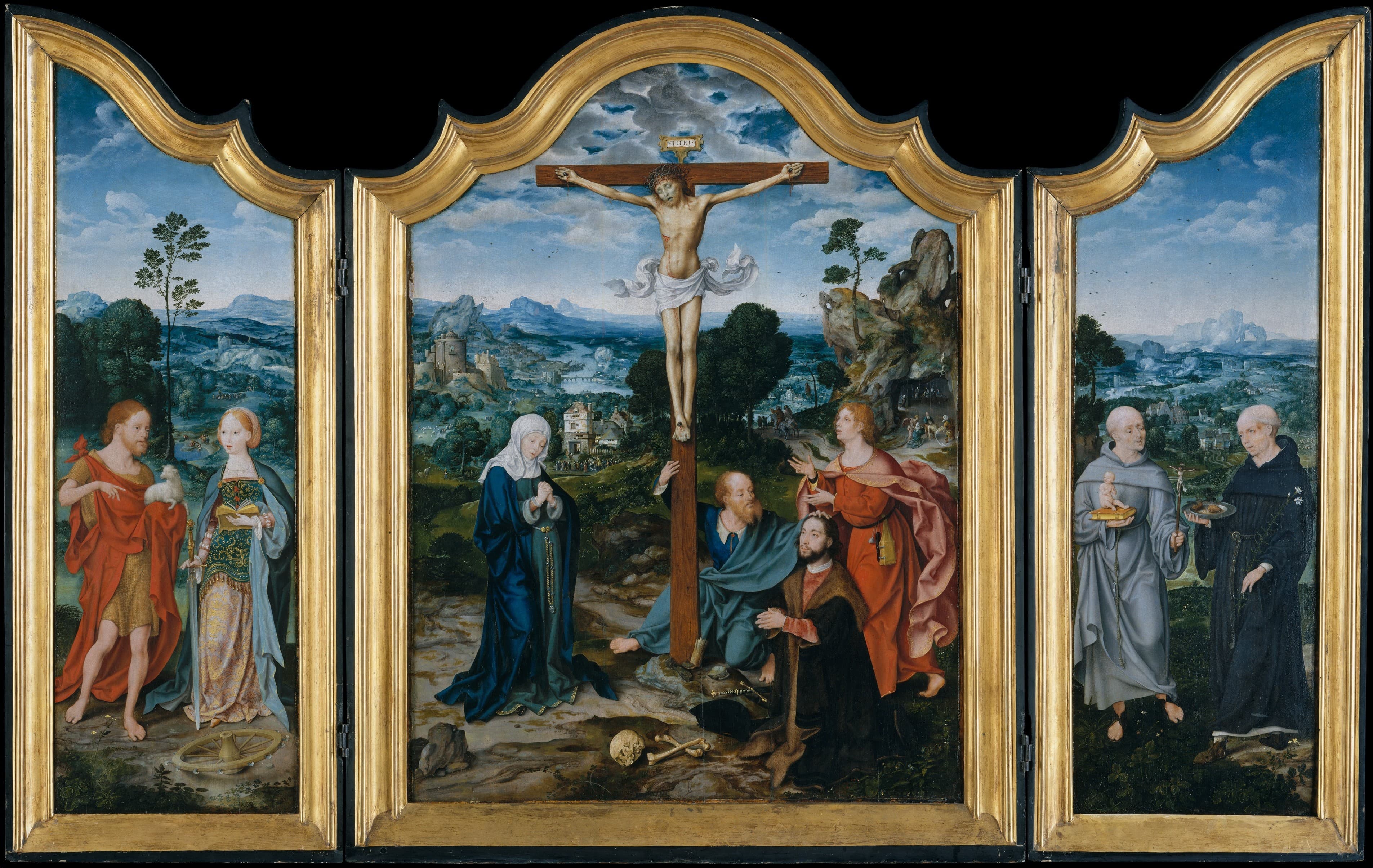
When Technology Becomes the Artist's Collaborator
Emerging tools are reshaping artistic practices, transforming technology from a medium into a collaborator in the act of creation.
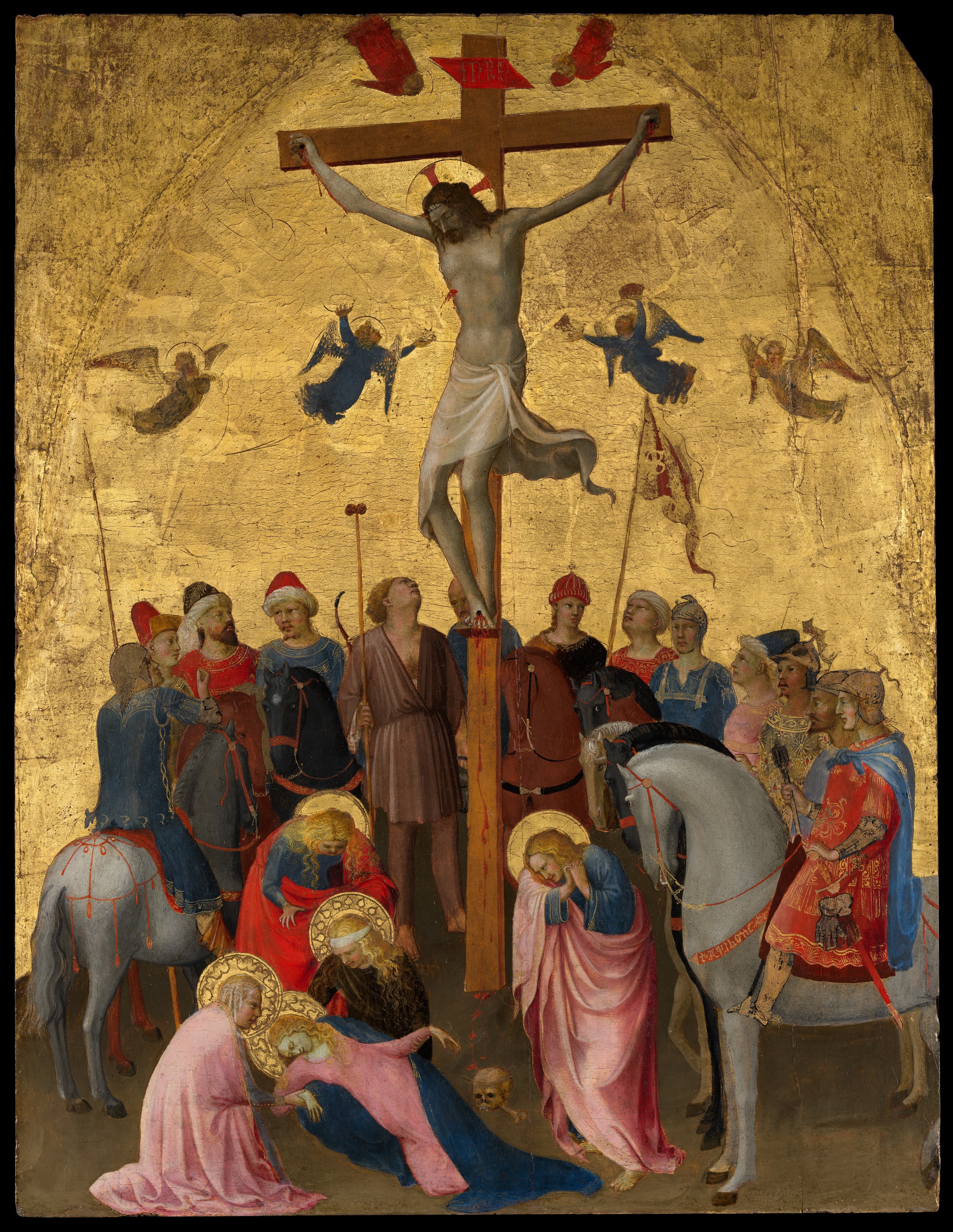
Crossing Grounds: Art and Technology at Georgia Tech
The Crossing Grounds exhibition at Georgia Institute of Technology highlights interdisciplinary practices that merge art, design, and technology, redefining creative expression in the digital age.
Digital Art and the Shifting Boundaries of Contemporary Practice
From algorithmic tools to generative platforms, digital art is reshaping creation, engagement, and ownership, challenging old certainties about what art can be.