
Art as Mirror: Reflecting Society's Fractures and Futures
From Lagos to London, artists confront climate change and identity politics, sparking necessary conversations about contemporary society.
At the 2023 Lagos Biennial, Folakunle Oshun's installation Seas of Our Making drew attention with its mesh of discarded plastic bags suspended in the dilapidated Nigerian Railway Corporation compound. This work repurposed thousands of plastic bags from Ajegunle Market, tackling Nigeria's waste crisis. “The oceans reflect our neglect,” Oshun remarked. “This is both a metaphor and a literal consequence of our consumption habits.” His installation underscores humanity’s environmental impact.
In 2023, exhibitions focused on climate change proliferated worldwide. Olafur Eliasson’s glacier installations at Tate Modern and Thandiwe Muriu’s vibrant portraits challenge agricultural monoculture. Art and environmentalism are not just aesthetic; they engage with pressing issues. Curators at the Centre for Contemporary Art Lagos (CCA) report an influx of submissions centered on ecological themes. “Artists are the archaeologists of now,” said CCA curator Bolanle Austen-Peters. “They excavate what society tries to bury.”
Identity politics also play a significant role in contemporary art. Ghanaian-British artist Lynette Yiadom-Boakye’s 2022 exhibition Fly in League with the Night showcased portraits of fictional Black subjects, reclaiming space in art history where Black figures have often been marginalized. “These people don’t exist in reality,” Yiadom-Boakye told The Guardian. “But they exist in the world I’ve created for them—a world in which they are at the centre.”
In Lagos, Temitayo Ogunbiyi’s kinetic playground sculptures prompt reflection on urban space and access. Her piece You Will Find Playgrounds Among Palm Trees, installed in Freedom Park, comments on shrinking public spaces while serving as a playground for children. Ogunbiyi states her sculptures explore “how we move through the city and how the city moves through us.”
However, works like Ogunbiyi's risk misinterpretation when divorced from local context. Western media often oversimplifies regional specificity, framing African artists as mere commentators on universal crises. The details matter. Oshun’s installation reflects Lagos’ unique waste challenges. Without understanding the city's relationship to waste, viewers miss half the story.
Artists are also directly questioning power structures. In South Africa, Athi-Patra Ruga’s performances critique post-colonial narratives. His 2023 series Of Gods, Rainbows, and Omissions featured live processions in Johannesburg, clad in pink tulle. “I’m constructing alternate mythologies,” Ruga said in an interview with Contemporary And. “Our histories are incomplete, and art is a way to fill those silences.”
The role of institutions in amplifying these voices is crucial. Biennials and galleries determine which critiques gain visibility. In Lagos, the Nike Art Gallery hosted Parallel Realities, exploring migration through multimedia works by African diasporic artists. Yet access to these spaces remains uneven. “The art world is still deeply unequal,” said Chika Okeke-Agulu, a Princeton professor. “You have these extraordinary works, but if they’re not in the right gallery or biennial, they remain unseen.”
Market dynamics also influence art production. In Europe and the US, auction houses like Sotheby’s report rising demand for African contemporary art. This visibility benefits artists like Yiadom-Boakye and Kehinde Wiley but pressures them to commodify their work. Oshun noted the tension between creating local art and meeting international collectors’ tastes. “It’s a blessing and a burden,” he admitted. “They want African, but also universal—without contradictions.”
As art confronts contemporary challenges, its role as a mirror to society becomes increasingly significant. Yet mirrors can distort. By choosing what to reflect, artists and institutions shape public perception of the crises they address. Are they offering solutions, or simply holding up the glass? For Oshun, Yiadom-Boakye, Ogunbiyi, and others, the answer lies in the dialogue their work provokes. “Art isn’t the answer,” Ogunbiyi emphasised during a recent CCA talk. “It’s the question. And right now, the questions are urgent.”
- Lagos Biennial Official Website — Lagos Biennial
- Lynette Yiadom-Boakye: Fly in League with the Night — Tate
- Centre for Contemporary Art Lagos — CCA Lagos
- Athi-Patra Ruga: Constructing Alternate Mythologies — Contemporary And
- Nike Art Gallery Official Website — Nike Art Gallery
Cultural Narratives Reshaped in Contemporary Art
Artists like Marka27 and Isaiah Lee forge connections between personal identity and cultural heritage, challenging established ideas within contemporary art.
From Trading Cards to Rare Designs: Collectibles in Contemporary Art Markets
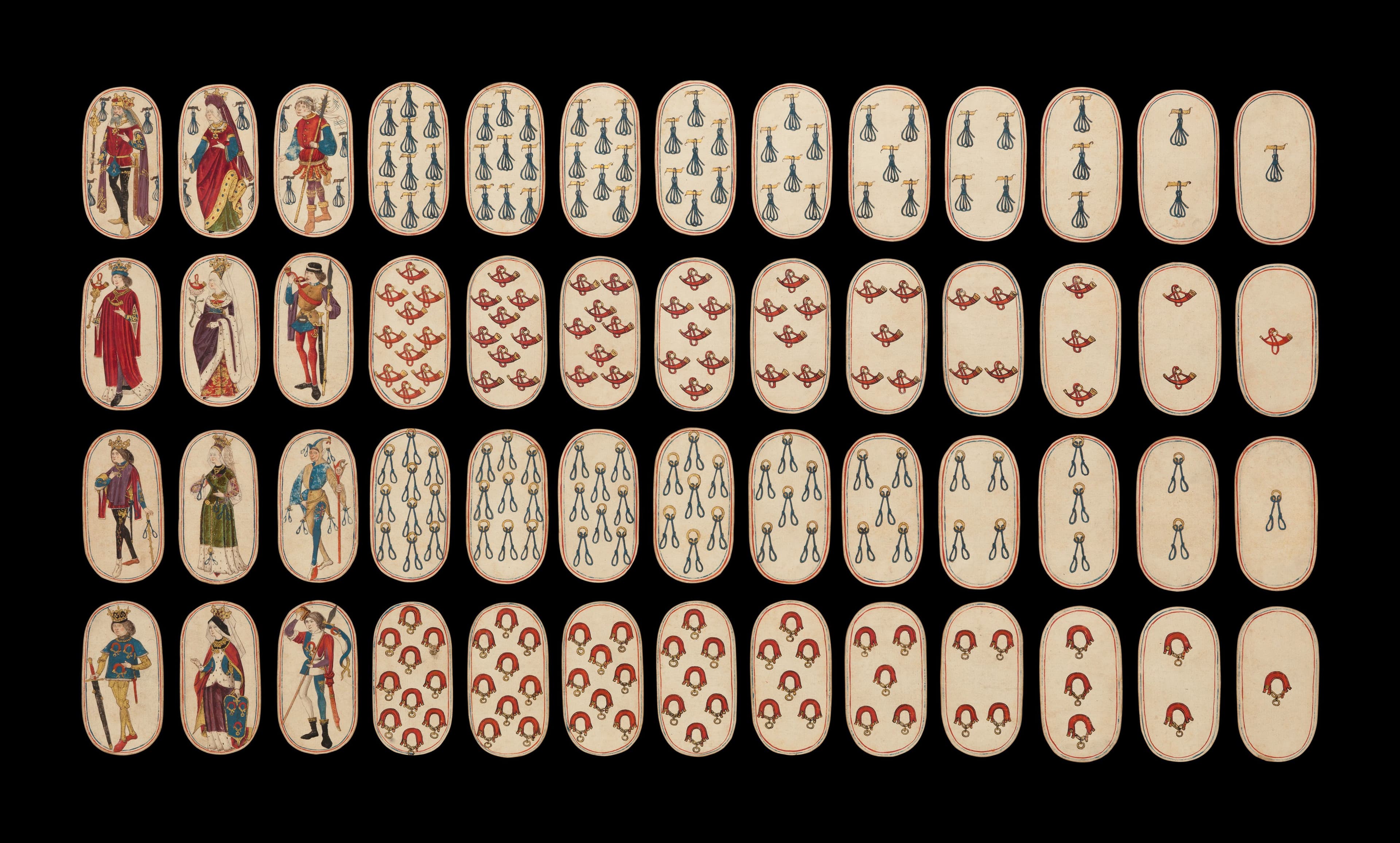
Collectibles blur the line between popular culture and fine art, reshaping perceptions of value in global markets.
Shifting Sands: Art Market Dynamics in 2023
From fractional sales to institutional bids, the evolving art market demands both artists and collectors adapt to new mechanisms of valuation and access.