
Art Restitution and the Moral Crux of Cultural Memory
The return of Nazi-looted art spotlights the ethics of ownership and the duty of museums to confront contested histories.
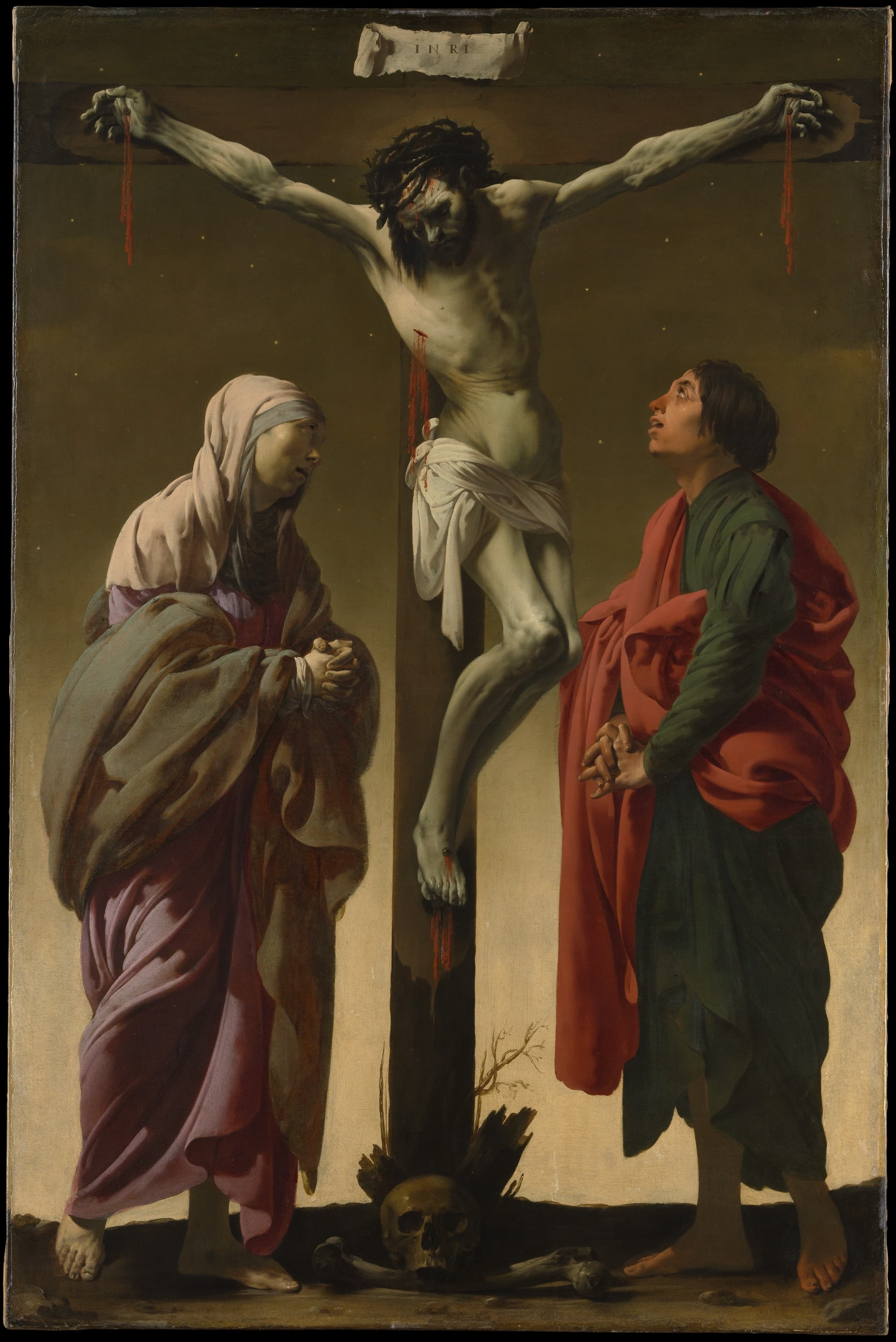
In June 2023, Gustav Klimt's Lady with a Fan sold for £85.3 million at Sotheby’s London, setting an auction record. In contrast, Water Serpents II was returned to Maria Altmann's family in 2006 after a lengthy legal battle. While both works share a century, their histories diverge significantly: one was looted by the Nazis, while the other was restored to rightful ownership.
Restitution has been a concern since the 1954 Hague Convention for the Protection of Cultural Property. High-profile cases highlight the complexities of these frameworks. In 2022, the Uffizi Galleries in Florence began reviewing two artworks linked to Jewish families persecuted during the Holocaust. That same year, New York mandated museums to display information about artworks connected to Nazi looting. The Metropolitan Museum of Art identified 53 works tied to forced sales or theft during the Third Reich, increasing public accountability.
Dr. Erin Thompson, an art crime professor at John Jay College, emphasizes that restitution cases are about identity. "Returning looted artworks," Thompson stated in a 2023 panel, "is about restoring dignity and memory to families impacted by systemic violence." The Victoria and Albert Museum asserts that provenance is as crucial to an artwork’s value as its aesthetics.
However, the practicalities of restitution are complex. Researching provenance for contested works from the early 20th century is challenging. Archives may have been destroyed, transactions obscured, or records falsified. The German Lost Art Foundation, established in 2015, funds projects to trace artwork histories, focusing on wartime dispossession. Its database has identified over 1.6 million entries as of 2023, illustrating the scale of the issue.
Restitution does not end with the return of artworks. What happens when a piece re-enters the market instead of a public institution? When Portrait of Adele Bloch-Bauer I was returned to Altmann’s family, its sale to Ronald Lauder for $135 million was seen by some as a second displacement, moving from public access to private ownership. This raises broader concerns. "Museums have an ethical responsibility," Dr. Thompson remarked, "to acquire and display these works in ways that educate on their histories—not just celebrate their aesthetics."
The intersection of restitution and postcolonial critiques of museum collections is pressing. While Nazi-looted art often has detailed provenance, many artifacts in Western museums were taken under colonial regimes with little documentation. The Benin Bronzes, removed from Nigeria during the 1897 British expedition, exemplify this debate. In 2022, Germany returned 21 Benin Bronzes to Nigeria, setting a significant precedent. In contrast, the British Museum's reluctance to return contested artifacts has faced criticism.
How museums respond to these moral imperatives will shape their relevance in a changing cultural landscape. The International Council of Museums (ICOM) updated its Code of Ethics in 2022, urging its 49,000 members to act transparently in matters of contested heritage. However, enforcement is voluntary, leading to uneven compliance. "The art world remains a patchwork of best practices and glaring omissions," noted Dr. Sarah Cascone, an art historian. "Private collectors, auction houses, and major institutions often operate by their own moral calculus."
Technology is increasingly influencing restitution dynamics. Blockchain has been proposed for immutable provenance records, though skepticism about its scalability remains. Digital scans and forensic imaging have transformed provenance studies, helping researchers identify details linking pieces to prior owners.
Returning cultural artifacts is not merely about addressing historical wrongs; it reframes the ethical responsibilities of stewardship today. As museums and collectors debate their obligations, the public sees justice in actions like New York’s 2022 legislation or Germany’s Benin initiative. The decisions made will resonate beyond museum walls, influencing the art historical record and the moral credibility of institutions entrusted with it.
- The Metropolitan Museum's Provenance Research — The Metropolitan Museum of Art
- Database for Nazi-Looted Art — German Lost Art Foundation
- Auction Record for Klimt's Lady with a Fan — Sotheby's
- ICOM Code of Ethics for Museums — International Council of Museums
- Benin Bronzes: British Museum's Position — The British Museum
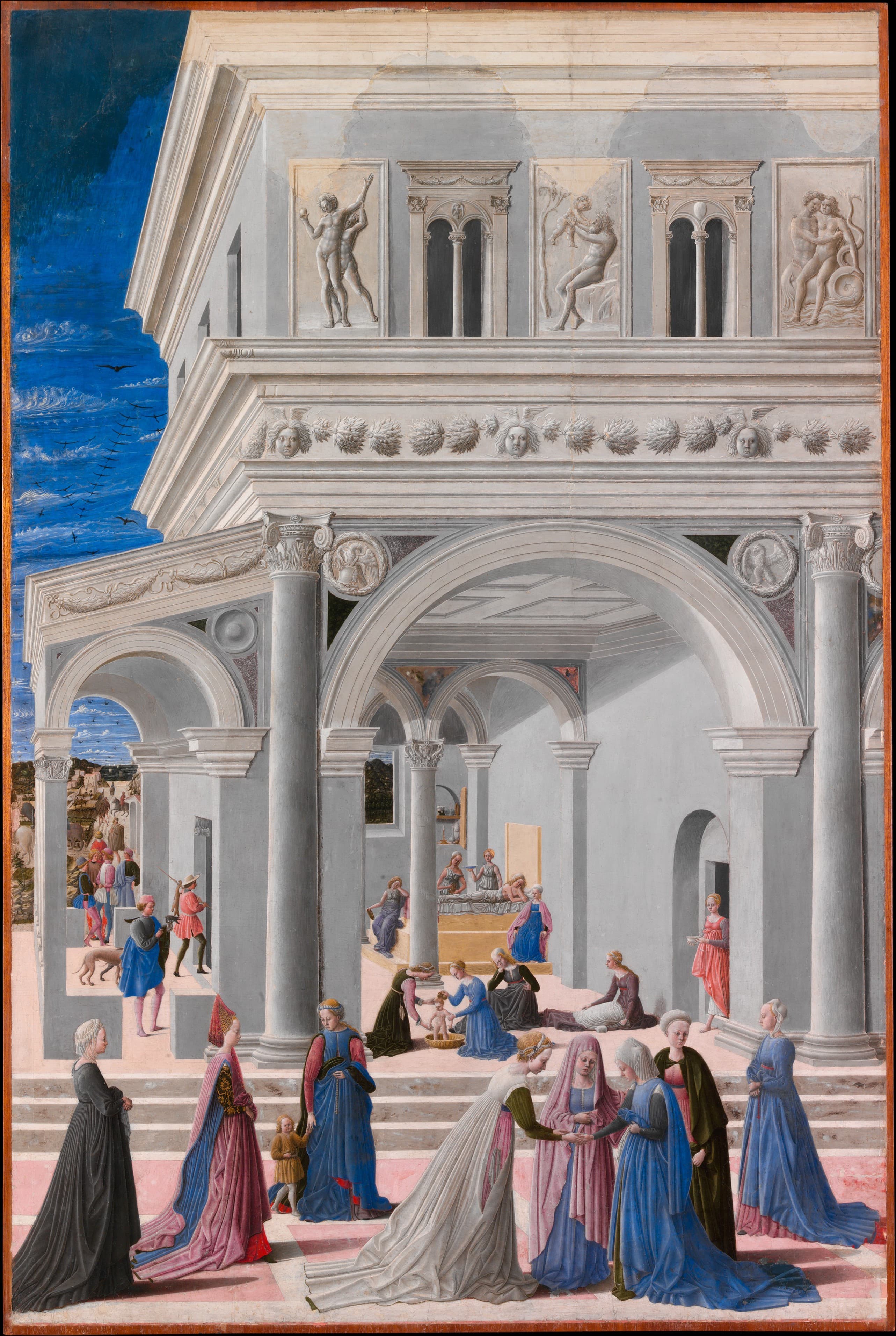
Nicholas Galanin's Gateway Arch Installation Confronts American Historical Narratives
Nicholas Galanin’s latest public sculpture at the Gateway Arch reframes westward expansion, dismantling myths of progress with Indigenous perspective.
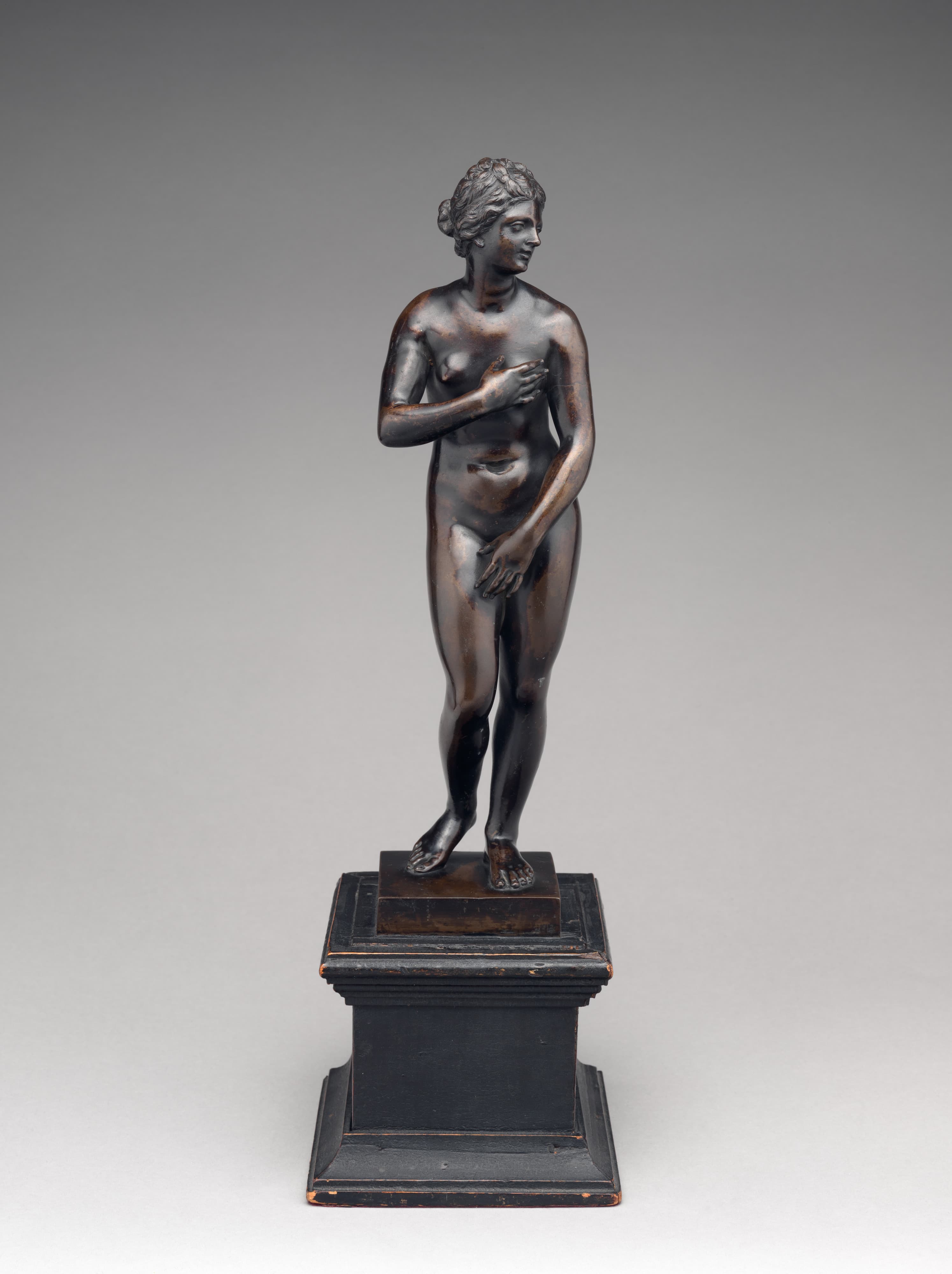
Public Art: Bridging Communities Through Shared Spaces
This autumn, public art installations across the U.S. transform plazas, parks, and streetscapes into sites of cultural dialogue, fostering connections in shared environments.
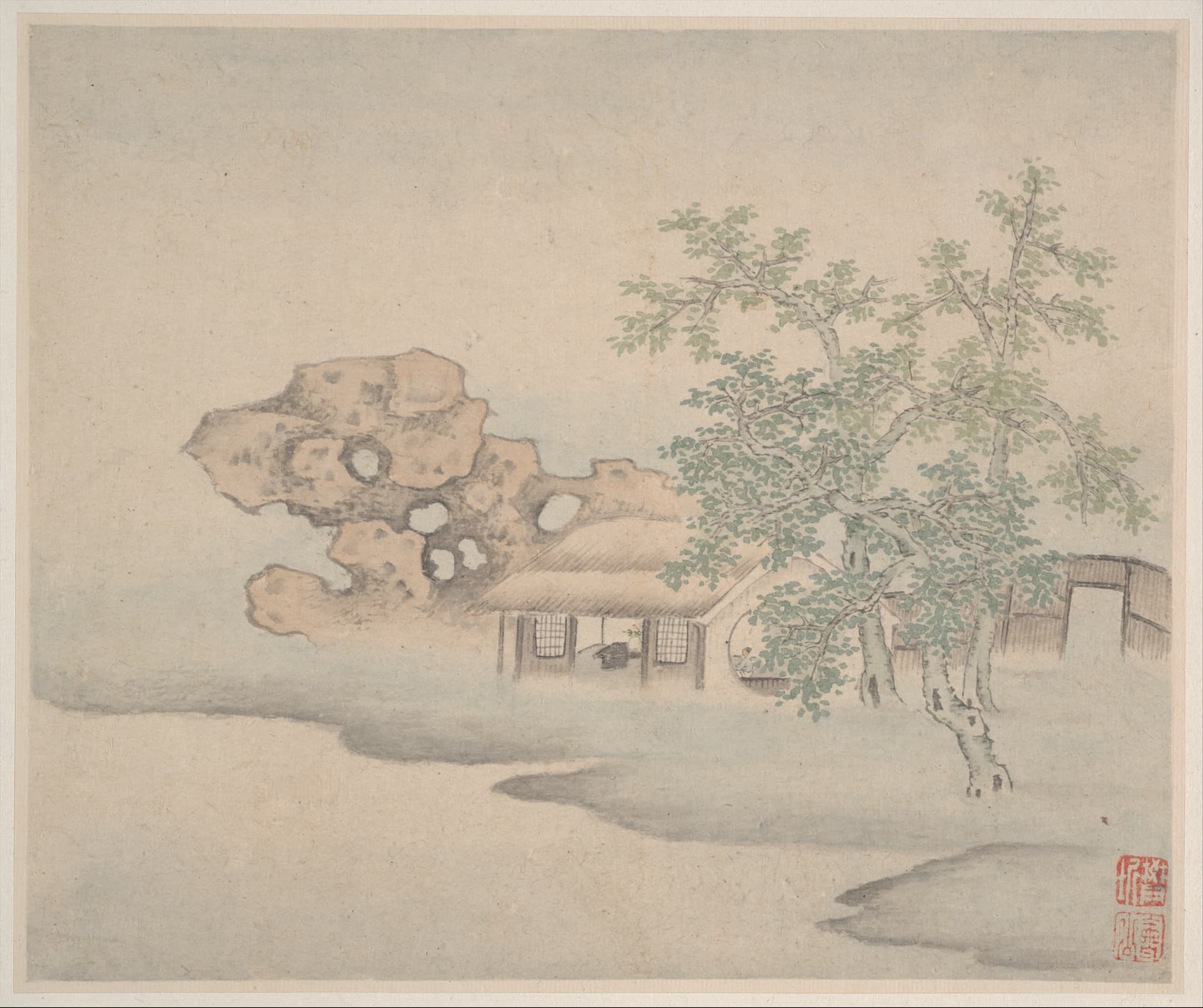
Changing Landscapes: Jesus Mari Lazkano’s Art in an Ecological Frame
Spanish artist Jesus Mari Lazkano uses both canvas and screen to interrogate humanity’s footprint on the natural world, blending traditional landscape painting with animation to deepen our ecological dialogue.