
Balancing Trust: Museums and Political Pressures
US museums see rising trust levels, but political pressures threaten the neutrality that forms the bedrock of their public role.
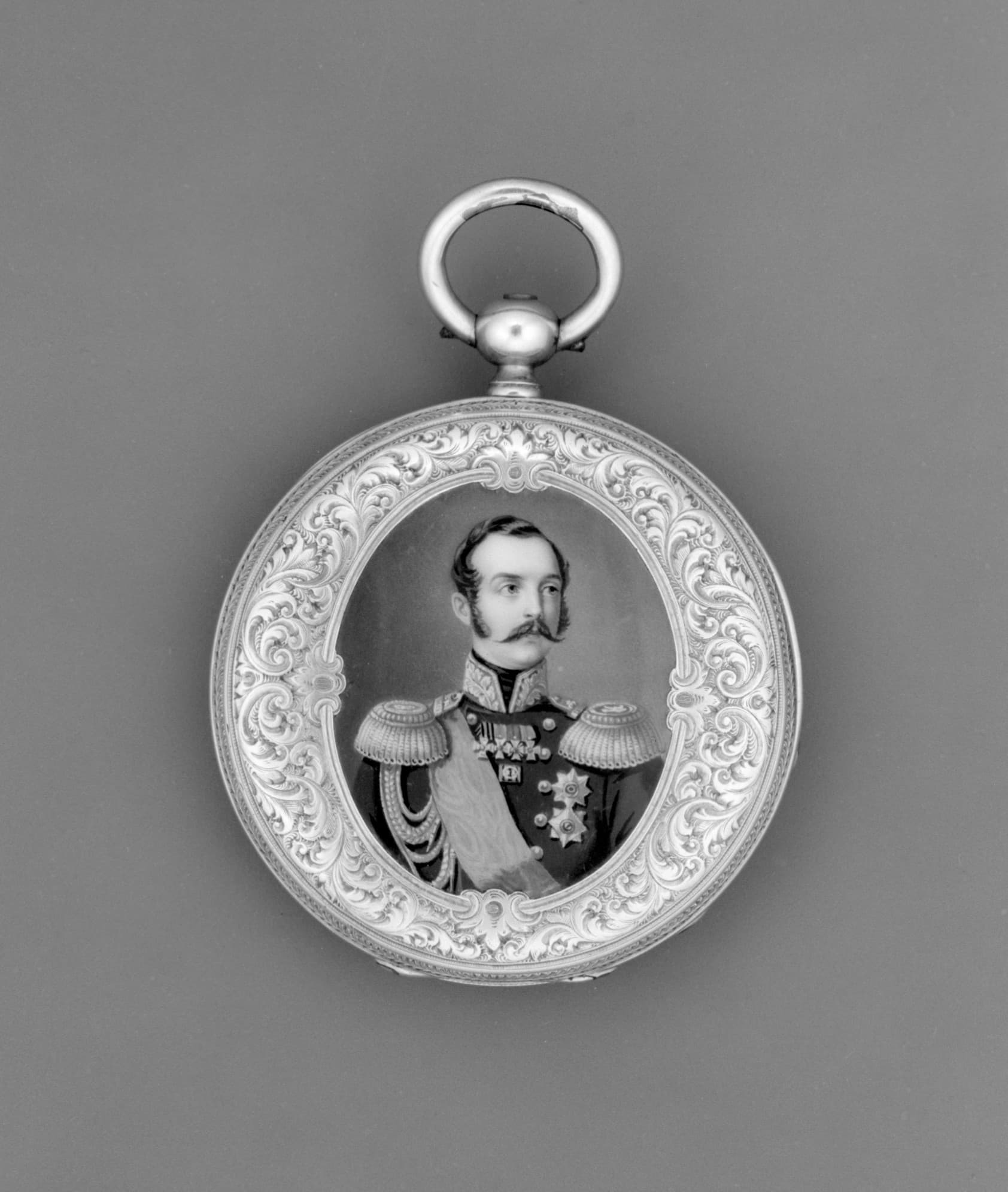
At Newfields in Indianapolis, a recent exhibition reframed its collection as a dialogue on race and representation. This shift followed public outcry over a 2021 job listing that aimed to maintain a traditional audience. Newfields exemplifies the tension museums face in appeasing diverse stakeholders while maintaining integrity.
The American Alliance of Museums (AAM) released a September 2023 survey revealing that 72% of Americans trust museums to provide accurate information—much higher than trust levels for media or government. Elizabeth Merritt, AAM’s Vice President for Strategic Foresight, stated, “Even perceived biases could erode decades of earned trust.”
Political interference in museum operations is real. Institutions like the Smithsonian’s National Museum of the American Latino have faced scrutiny for controversial exhibition decisions. Its portrayal of Puerto Rico’s colonial history drew accusations of revisionism. Critics argue these interventions risk turning museums into battlegrounds rather than spaces for exploration.
Publicly funded museums are particularly vulnerable to political leverage due to their reliance on government appropriations. The Museum of Fine Arts in Boston, while privately funded, faced backlash for declining to host a politically charged artist’s work, raising concerns about censorship. The museum attributed its decision to logistical constraints, but skepticism remained.
Experts like Merritt argue that transparency is key. Clear provenance documentation and diverse programming can mitigate accusations of bias. Merritt pointed to the Field Museum’s overhaul of its Native North America Hall as a model. By involving Indigenous leaders in curatorial decisions, the museum reinforced both academic credibility and public trust.
However, transparency alone cannot protect every institution. Smaller museums, especially those outside metropolitan areas, face significant challenges. Without robust endowments or public relations teams, they risk succumbing to local political influences. Dr. Jeffrey Abt, an art history professor at Wayne State University, wrote, “No museum should operate in isolation.”
The financial aspect is critical. The AAM survey also highlighted a troubling paradox: while public trust rises, museum funding stagnates or declines. Cuts to the National Endowment for the Arts have forced many institutions to rely on private sponsorships, which bring their own dilemmas. For example, Shell’s sponsorship of the Science Museum in London sparked protests over conflicts of interest.
This trust-finance tension places museum directors under immense pressure. In a 2022 interview with Hyperallergic, Neal Benezra, former director of the San Francisco Museum of Modern Art, reflected, “Balancing financial sustainability and curatorial independence isn’t just difficult; it’s existential.” Benezra emphasized diversifying revenue streams to reduce over-reliance on any single source.
The implications extend beyond museum walls. Public trust in these institutions fosters civic engagement and lifelong learning. A decline in perceived neutrality risks undermining their educational mandate. Museums serve as cultural memory-keepers. When political forces dictate narratives, history becomes malleable.
The rising trust reported by the AAM survey should be seen as a call to action rather than complacency. Museums must proactively safeguard their autonomy, knowing that lost public trust is difficult to regain. As Newfields demonstrated, missteps can ripple beyond the institution, affecting how museums nationwide are perceived.
Without systemic reforms, the burden will fall disproportionately on curators, directors, and boards to resist external pressures. Whether they can preserve their mission under these constraints remains uncertain. Trust in museums is not merely an asset; it is their foundation.
- New Survey on Museum Trust — American Alliance of Museums
- Newfields and the ‘white art audience’ controversy — Indianapolis Star
- Neal Benezra on Leaving SFMOMA — Hyperallergic
- Native North America Hall — Field Museum
- Shell sponsorship sparks protests at Science Museum — The Guardian
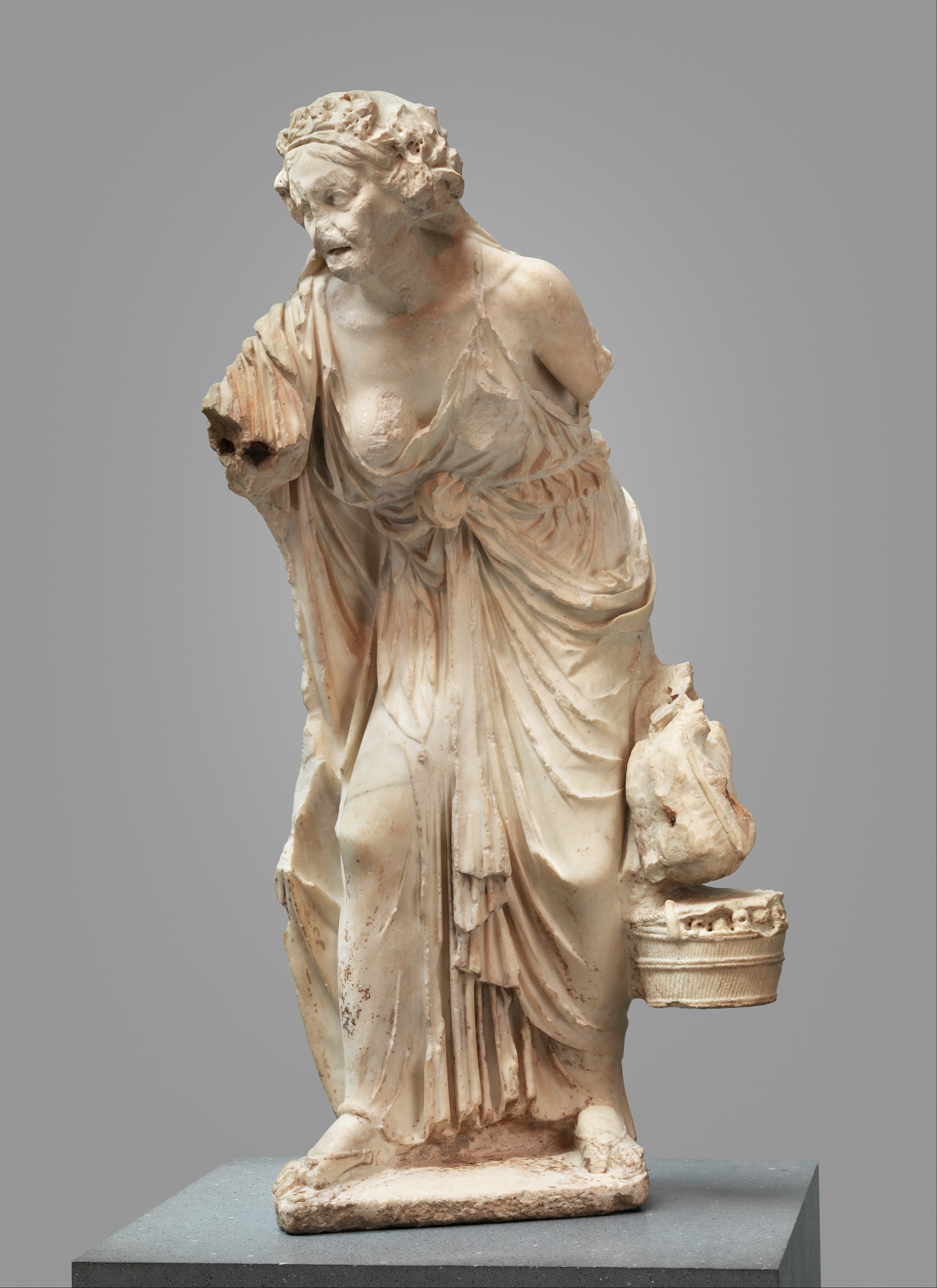
Evolving Spaces: Museums and Their Place in Modern Society
From community partnerships to activist programming, museums are rethinking their role in response to social and political shifts.

Art and Activism: How Museums are Shaping Social Change
Cultural institutions are reframing their traditional roles, using art as a lens and catalyst for addressing societal challenges.
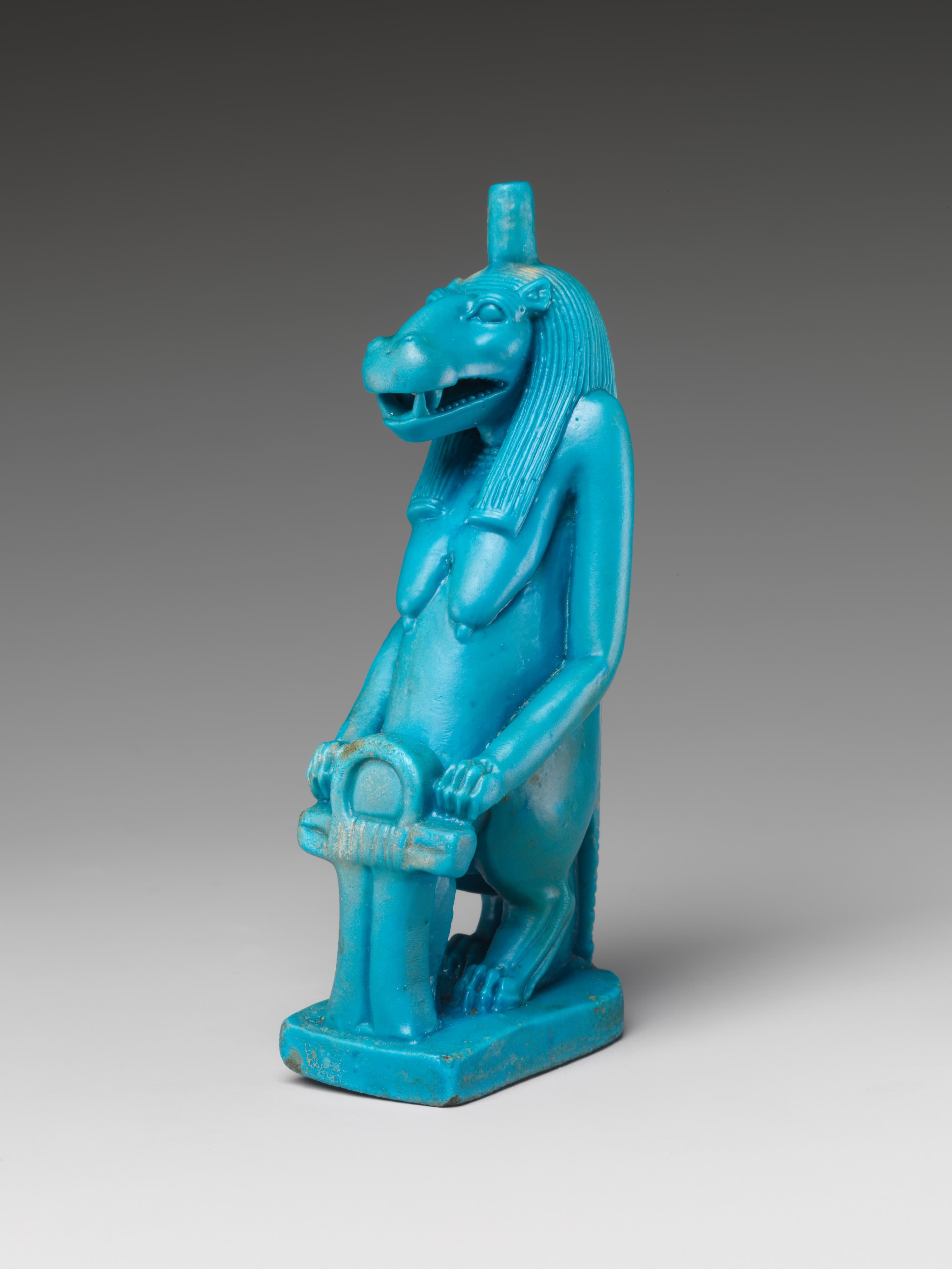
Redefining Museums: Accessibility and Engagement in the 21st Century
From tactile tours to street art festivals, museums today are rethinking their role in communities by prioritizing accessibility and fostering deeper connections with the public.