
Bryan Joseph Lee and the Cultural Crossroads of New York City
Bryan Joseph Lee assumes the role of Deputy Commissioner for Cultural Affairs in NYC. His tenure promises shifts in policy and engagement for one of the world's cultural epicenters.
On September 14, 2023, Bryan Joseph Lee spoke to artists, nonprofit leaders, and policymakers at the Queens Museum. As New York City’s new Deputy Commissioner for Cultural Affairs, he represents a pivotal change. A theatre producer and founder of the Urban Arts Cooperative, Lee has consistently advocated for culture as a means of achieving equity. The audience listened closely.
Lee steps into his role following a decade marked by crises. The COVID-19 pandemic closed theatres and galleries, disrupting revenue streams and scattering audiences. A 2022 report from the Center for an Urban Future highlighted significant declines in arts sector employment, particularly in dance and small music ensembles, which continue to struggle.
His appointment comes at a crucial time for cultural policy in New York. The Department of Cultural Affairs (DCLA), managing $230 million in annual grants, faces pressure to support smaller, community-focused organizations often overlooked by established institutions.
While the DCLA has historically favored major players like the Metropolitan Museum of Art, Lee’s focus diverges. "The arts have to happen where people live," he stated in a conversation with ARTFORUM. "That means we actively choose to fund beyond the comfort zones of Midtown and the Upper East Side." His words align with Mayor Eric Adams’ broader push for decentralization across city services.
Cultural equity frameworks from Tom Finkelpearl’s tenure as DCLA Commissioner (2014–2020) are resurfacing under Lee. The agency’s 'CreateNYC' cultural plan, launched in 2017, serves as a guiding principle. This plan outlined over 90 initiatives aimed at diversifying funding and enhancing arts education, although implementation has been inconsistent. Critics, including the advocacy group Culture Push, argue that previous administrations have deprioritized these efforts in favor of high-profile projects.
Changes under Lee are evident in grant-making processes. The updated Cultural Development Fund application, allocating $43.9 million annually, now emphasizes community impact and demographic engagement. DCLA records indicate a 22% increase in first-time applicants for the 2024 cycle, a notable shift from past trends favoring repeat recipients.
However, systemic change in New York requires navigating entrenched interests. "Institutions like MoMA and the Whitney have their own ecosystems," says Dr. Erin Donnelly, a cultural policy scholar at CUNY. "Those ecosystems often run parallel to, not within, broader community networks." Donnelly observes that while Lee’s rhetoric targets dismantling hierarchies, redirecting resources from legacy institutions to local projects will test his influence.
An early test of Lee’s vision is the NYC Cultural Hubs program, launching in early 2024. Modeled after similar efforts in Seattle and Minneapolis, this pilot will provide multi-year funding for six community centers—two each in Brooklyn, the Bronx, and Queens—to support local artists. Each center will receive $500,000 annually for three years, covering operational costs and programming grants.
At a symposium hosted by Pratt Institute earlier this month, Lee elaborated on the program’s purpose. "We’re asking what it means to build not just access, but infrastructure for cultural production," he said. "That means ensuring these spaces have longevity, not just bursts of activity followed by closures." Attendees raised questions about sustainability. "Three years is great, but it won’t fix 30 years’ worth of disinvestment," remarked a Bronx-based artist during a Q&A session.
Private sector entities are also watching Lee’s tenure closely. Sotheby’s recently announced a $1 million partnership with the city to fund public art commissions across underserved neighborhoods. Though the auction house’s motives include enhancing its corporate image, the initiative reflects a growing trend of collaboration between cultural institutions and municipal agencies.
Still, Lee’s critics argue that his policies do not match the city’s vast needs. Campaign group Arts Workers United contends that Lee should push harder for an increase in the city’s cultural budget, which accounts for less than 0.5% of the overall municipal budget. A spokesperson noted, "New York is a global arts capital, yet our per-capita arts spending lags behind smaller cities like Portland."
As Lee acknowledged in his Queens Museum address, his plans represent ongoing work. "We’re not solving everything in one budget cycle," he said. "But we are becoming more deliberate about where the work begins."
The stakes for New York’s cultural future are high. The city has long served as a global stage and a local laboratory for artistic innovation. Whether Lee can fulfill his promises will depend on his ability to bridge these dual identities, ensuring that 'CreateNYC' evolves from a policy document into a lived reality.
- CreateNYC: A Cultural Plan for All New Yorkers — NYC Department of Cultural Affairs
- The Impact of COVID-19 on NYC’s Arts Sector — Center for an Urban Future
- Bryan Joseph Lee Discusses Cultural Equity — ARTFORUM
- 2023 Cultural Policy Symposium: Pratt Institute — Pratt Institute
Monuments as Dialogues: Rethinking Commemoration in Contemporary Culture
Recent memorial projects redefine public space as arenas for collective reflection and ongoing dialogue.
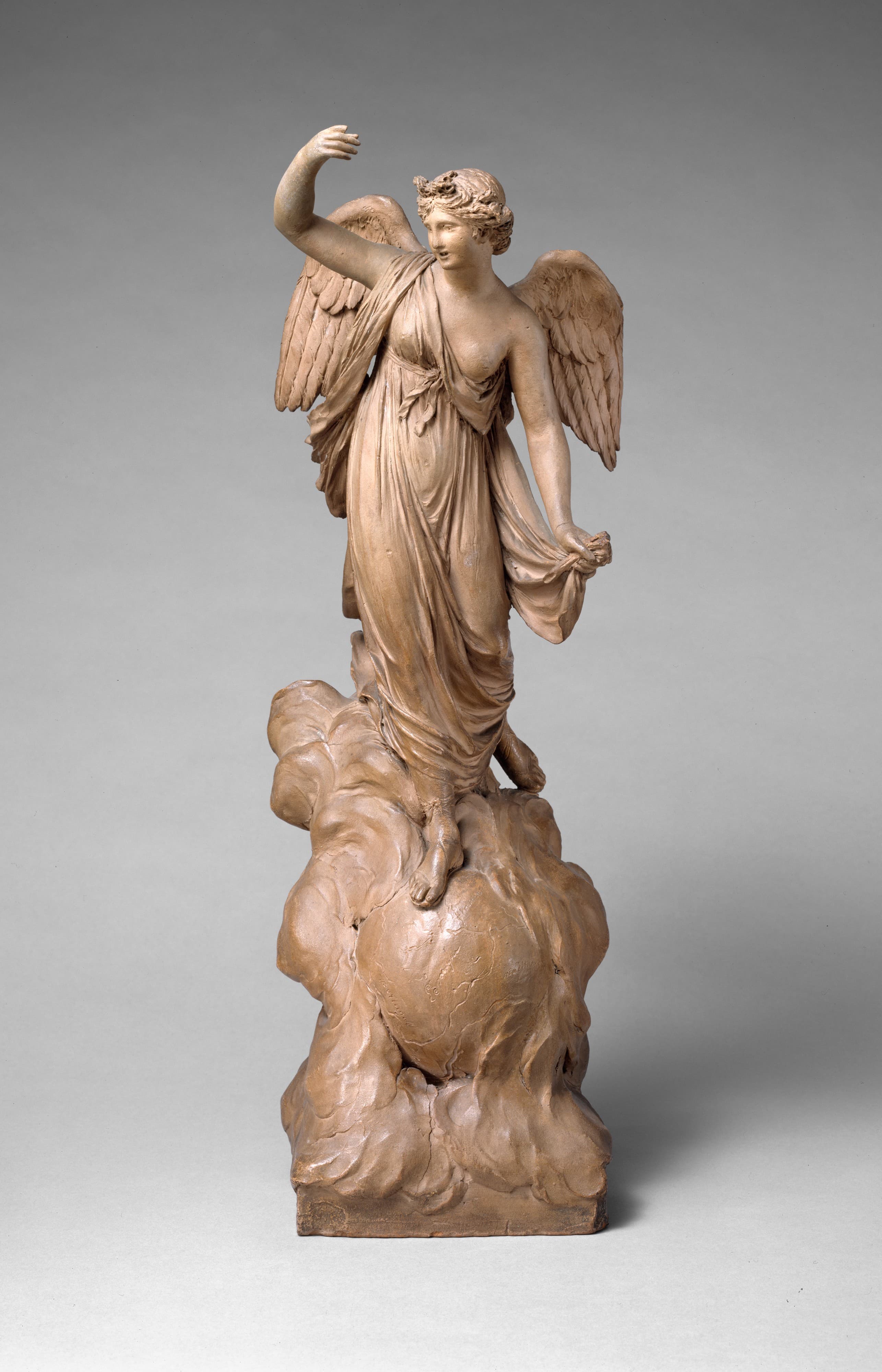
Sentient Earth: Art’s Reckoning with Climate Change at Amant
The 'Sentient Earth' exhibition at Amant in Brooklyn features artists whose works challenge traditional views of environmental crisis and promote accountability.
MSCHF's Twisted Lexus: A Collision of Public Art and Urban Critique
Brooklyn's MSCHF unveils a surreal twist on car culture during New York's fall art week, merging public art with a critique of urban mobility.