
Changing the Guard: How New Leadership Could Reshape Museums
Transitions at major institutions signal shifts in curatorial priorities, raising questions about how museums might adapt to a rapidly evolving cultural landscape.

On January 1, 2024, Katherine Fleming will become the first woman to lead the J. Paul Getty Trust. The Getty’s September announcement emphasized her qualifications, including her tenure as Provost at New York University.
Fleming’s appointment coincides with leadership changes across the museum world. In July 2023, Amara Antilla became the Director of Curatorial and Public Practice at the Guggenheim, succeeding Nancy Spector. Meanwhile, George Osborne resigned as Chair of the British Museum in October, following a theft scandal that raised questions about restitution.
These changes reflect demands for museums to address issues like repatriation and labor equity. Many institutions have been slow to respond. “Leadership transitions present rare opportunities for structural recalibration,” said Dan Hicks, Professor of Contemporary Archaeology at the University of Oxford. He argues that new leaders must challenge foundational assumptions about museums' roles in society.
The Getty Trust has faced scrutiny over its reliance on its $8 billion endowment, the largest in the cultural sector. Critics argue this allows it to avoid active public engagement, particularly regarding restitution. While Fleming has not outlined specific policies, her background in modern Greek history and migration studies suggests a shift toward global narratives. The Getty’s recent acquisition of The Sugar Bowl (ca. 1600) for $8.5 million could serve as a test case. The piece, featuring African and European iconography, has drawn mixed responses regarding its historical framing.
Antilla’s appointment comes during a period of introspection for the Guggenheim. The museum has faced internal criticism over its culture and was called out by Decolonize This Place during the Black Lives Matter protests of 2020. Antilla previously focused on underrepresented artists from South Asia and the Global South, a direction likely to influence her leadership.
Despite these promising appointments, structural inertia remains a challenge. A 2022 study by the Mellon Foundation found that only 6% of museum directors identified as Black, with Indigenous representation remaining negligible. This disparity highlights a tension between incoming leaders' agendas and entrenched institutional hierarchies.
Financial precarity complicates the landscape for smaller museums. Institutions like the Birmingham Museum of Art in Alabama, which appointed Graham C. Boettcher as Director in 2017, have adopted community-centered programming to navigate funding challenges. Exhibitions like Wall to Wall: Merritt Johnson have centered Indigenous voices, drawing attention to limited resources for contemporary acquisitions. “It’s not just about new faces at the top,” Hicks said. “It’s about whether those institutions are willing to redistribute power and resources to align with their stated values.”
The societal implications of these leadership changes are significant. Museums are increasingly expected to act as forums for contemporary debate. Restitution efforts are gaining global traction, exemplified by the British Museum's return of Looted Benin Bronzes to Nigeria in 2022. Whether institutions like the Getty and Guggenheim will accelerate similar efforts under new leadership remains uncertain.
Leadership transitions are one part of a larger puzzle. Board governance, donor influence, and public accountability critically shape the museum ecosystem. Without systemic reforms, the impact of changing directors may be superficial. The coming years will reveal whether these institutions are ready to make the difficult choices necessary to meet evolving public demands.
As 2024 approaches, the art world will be watching closely. For the Getty, Guggenheim, and British Museum, these leadership changes present opportunities to redefine their missions in ways that resonate with contemporary audiences. Their success will depend on confronting the complexities of a rapidly shifting cultural landscape.
- Katherine E. Fleming Appointed President and CEO of Getty Trust — Getty
- Guggenheim Appoints Amara Antilla as Director of Curatorial and Public Practice — Guggenheim Museum
- Art Museum Staff Demographic Survey (2022) — Mellon Foundation
- The British Museum and the Benin Bronzes — British Museum
- In Conversation: Dan Hicks on Brutish Museums — University of Oxford
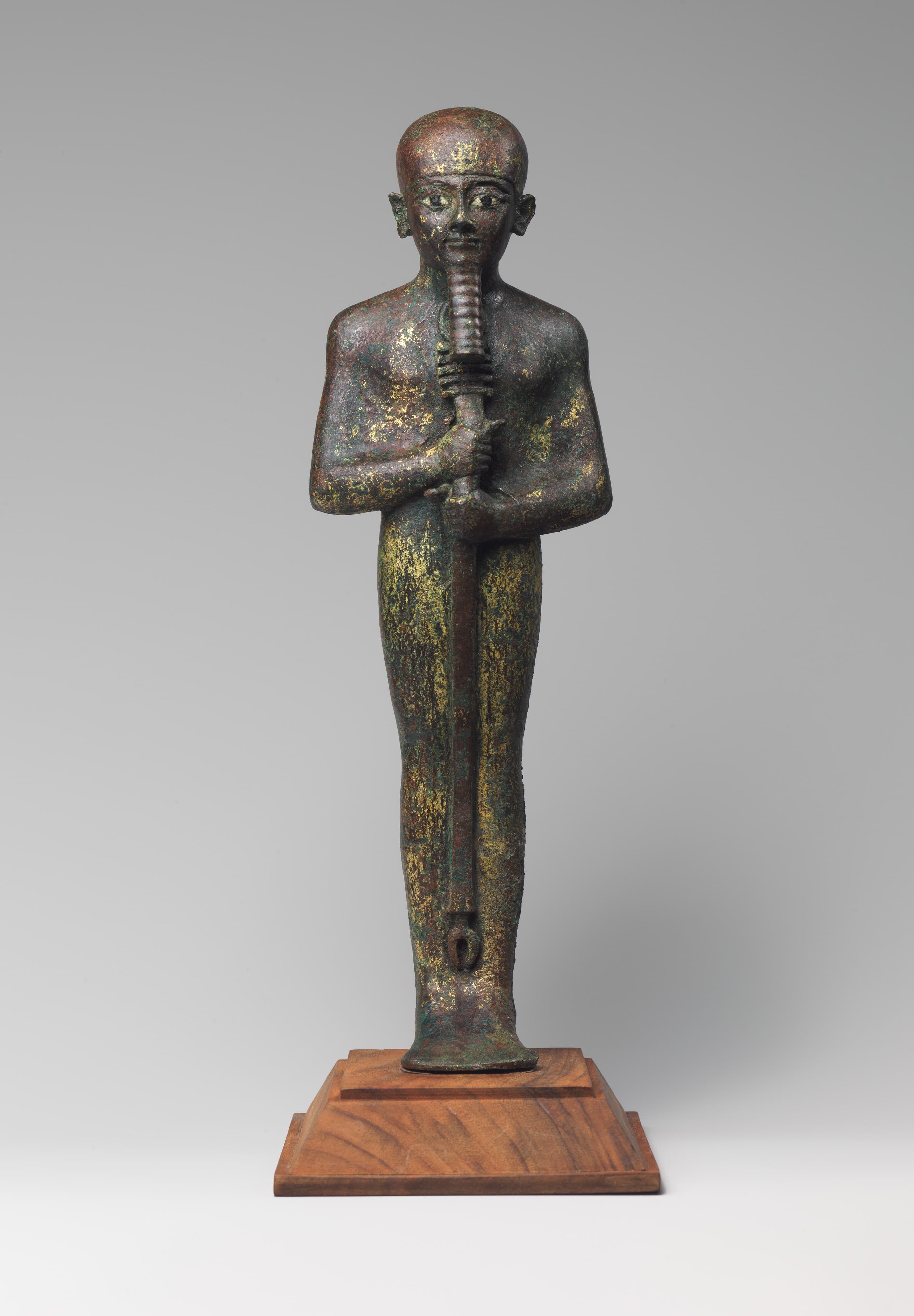
Museums as Custodians of Cultural Memory: Recent Discoveries and Exhibitions
From restitutions to groundbreaking exhibitions, museums shape conversations on cultural identity and historical preservation in 2023.

Beyond the Walls: Museums as Engines of Community Engagement
Cultural institutions are transforming from repositories of objects to active civic players, redefining their roles in diverse communities.
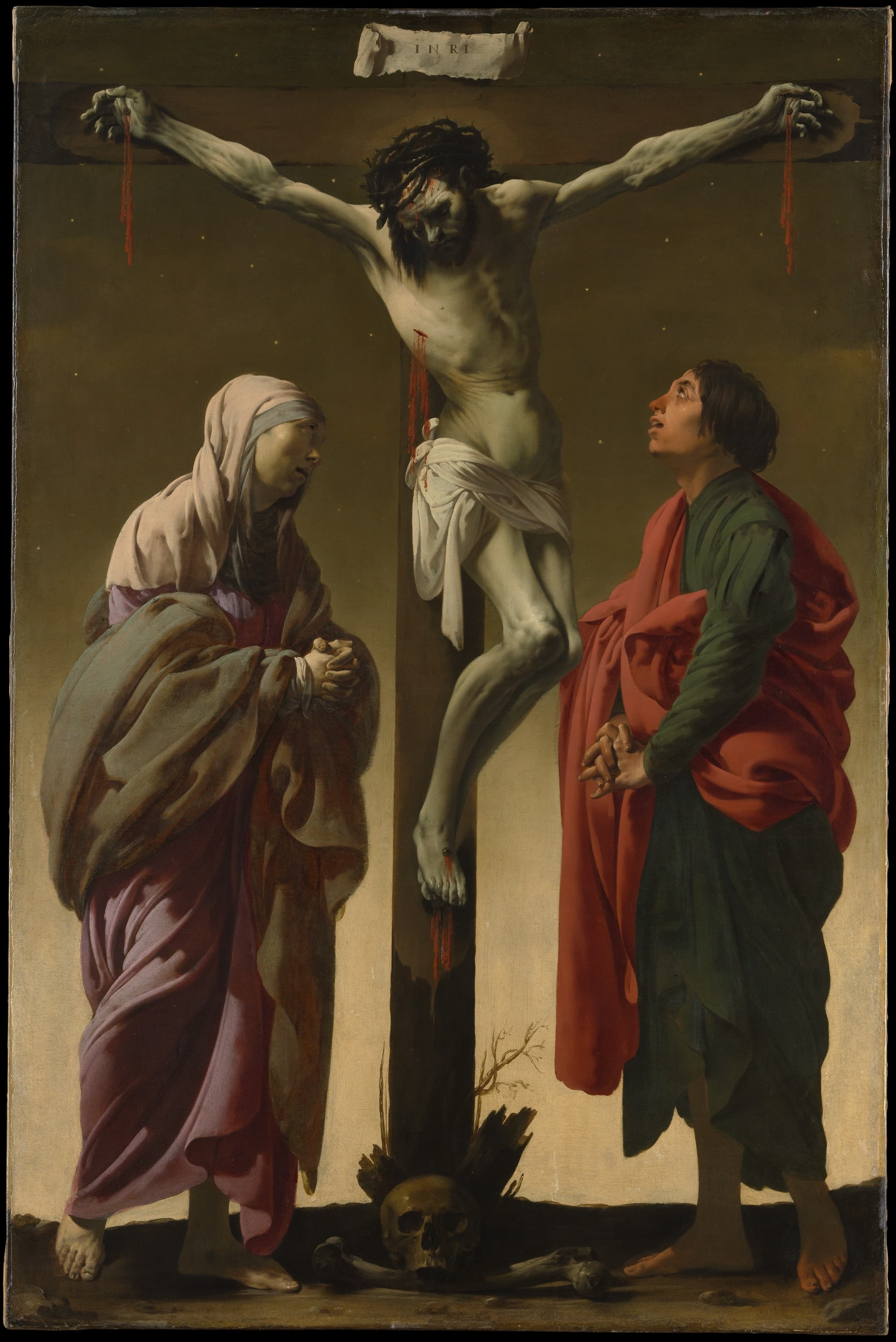
Reinterpreting the Past: Historical Narratives in Contemporary Exhibitions
Modern museums and galleries like Borusan Contemporary reshape historical narratives to engage contemporary art, creating frameworks that juxtapose tradition and innovation.