
Crafting New Narratives: Traditional Techniques in Contemporary Art
Traditional techniques are shifting from preservation to innovation as contemporary artists use them to craft modern narratives.
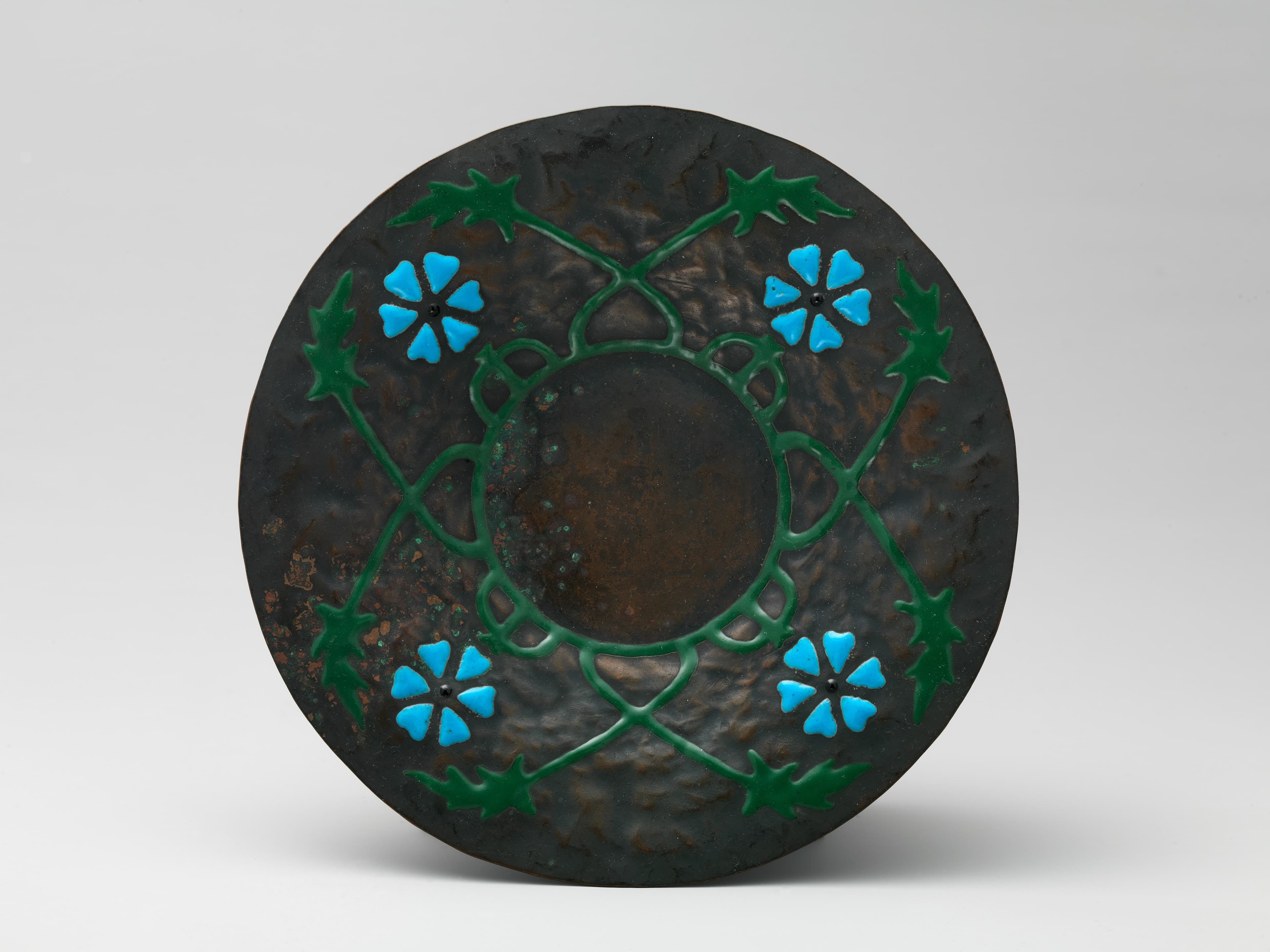
In Kyoto, Tetsuya Kitamura carves intricate patterns into lacquered wood bowls, embedding gold leaf into fine grooves. His recent works feature QR codes, merging tradition with modernity. Kitamura learned chinkin from his father, who studied under a Taisho-era craftsman.
Kitamura’s work exemplifies a global trend where contemporary artists explore personal and collective histories through traditional craft methods. Sara Clutton, curator at the Victoria and Albert Museum, emphasizes this transformation. “We see artists using these crafts as a language, not an end. They’re asking: how can these techniques speak to today?”
In Oaxaca, Gabriela Ruiz collaborates with local weavers using the backstrap loom, a pre-Columbian technology. Their pieces, showcased at Museo Textil de Oaxaca in 2022, blend motifs from Mixtec codices with street art influences. Ruiz challenges static narratives about tradition through this dialogue.
The balance between preservation and reinvention is delicate. Ceramicist Aisha Khalid discussed her training in kashi tilework, a Mughal-era style, at a Munich panel last year. “If I merely copy, the work is decorative. When I bring my own stories into it, the craft becomes alive again,” she said. Khalid’s kashi tiles, displayed at the Aga Khan Museum in Toronto this year, feature geometric patterns interrupted by cracks—a meditation on displacement.
Using traditional techniques in contemporary contexts raises questions about authority and meaning. In 2021, a controversy erupted at the São Paulo Biennial over a Brazilian artist’s use of indigenous weaving patterns. Critics argued that commodifying sacred symbols dilutes their significance, despite the artist's acknowledgment of the community.
Institutions are navigating these tensions carefully. The Smithsonian’s National Museum of Asian Art included a section on ethical collaboration in its 2023 exhibition _Threads of Continuity_. The catalogue provides a framework for recognizing traditional craftsmen's contributions. Dr. Meera Sabharwal, co-curator of the exhibition, stated, “Equity in credit and compensation must be part of the conversation.”
Some artists work directly within their own traditions. In Kyoto, Kohei Nakamura merges Oribe glazing with Japanese video game imagery. His 2023 series, _Shadows of the Past_, exhibited at the Kyoto Art Center, layers pixelated designs onto traditional ceramics. Nakamura believes this approach expands boundaries. “The internet is also a tradition now. I’m placing it beside the older ones,” he commented during a studio visit this summer.
The commercial art world is taking notice. At TEFAF Maastricht 2023, a tapestry by London-based artist Althea Hao, woven using a Song dynasty technique, sold for €85,000 (approximately $90,000 USD). Gallerist Adrian Lin noted that collectors are drawn to pieces with depth—both in process and meaning. “Craft provides that.”
As traditional techniques enter the market, questions about their value arise. A lacquer piece by Kitamura takes three months to complete. His QR-code bowl, featured at the National Museum of Modern Art in Tokyo last year, sold for ¥1.2 million ($8,000 USD). Kitamura remarked, “Each bowl contains two histories: my family’s and the digital one.”
This duality of preservation and innovation leaves unresolved questions. Are traditional crafts, reframed as high art, now inaccessible to the communities that originated them? Clutton believes the ambiguity is productive. “Tradition is not static. It has never been. What these artists are doing is what has always been done—adapting it to the moment.”
In Kitamura’s Kyoto studio, the QR-code bowl sits beside a piece made by his grandfather in 1962, featuring cranes in flight. The lacquer surfaces catch the same light. The bowl holds the past and hints at what might come next.
- Victoria and Albert Museum Official Website — Victoria and Albert Museum
- Museo Textil de Oaxaca — Museo Textil de Oaxaca
- Aga Khan Museum Official Website — Aga Khan Museum
- Threads of Continuity Exhibition Page — Smithsonian National Museum of Asian Art
- Kyoto Art Center Official Website — Kyoto Art Center
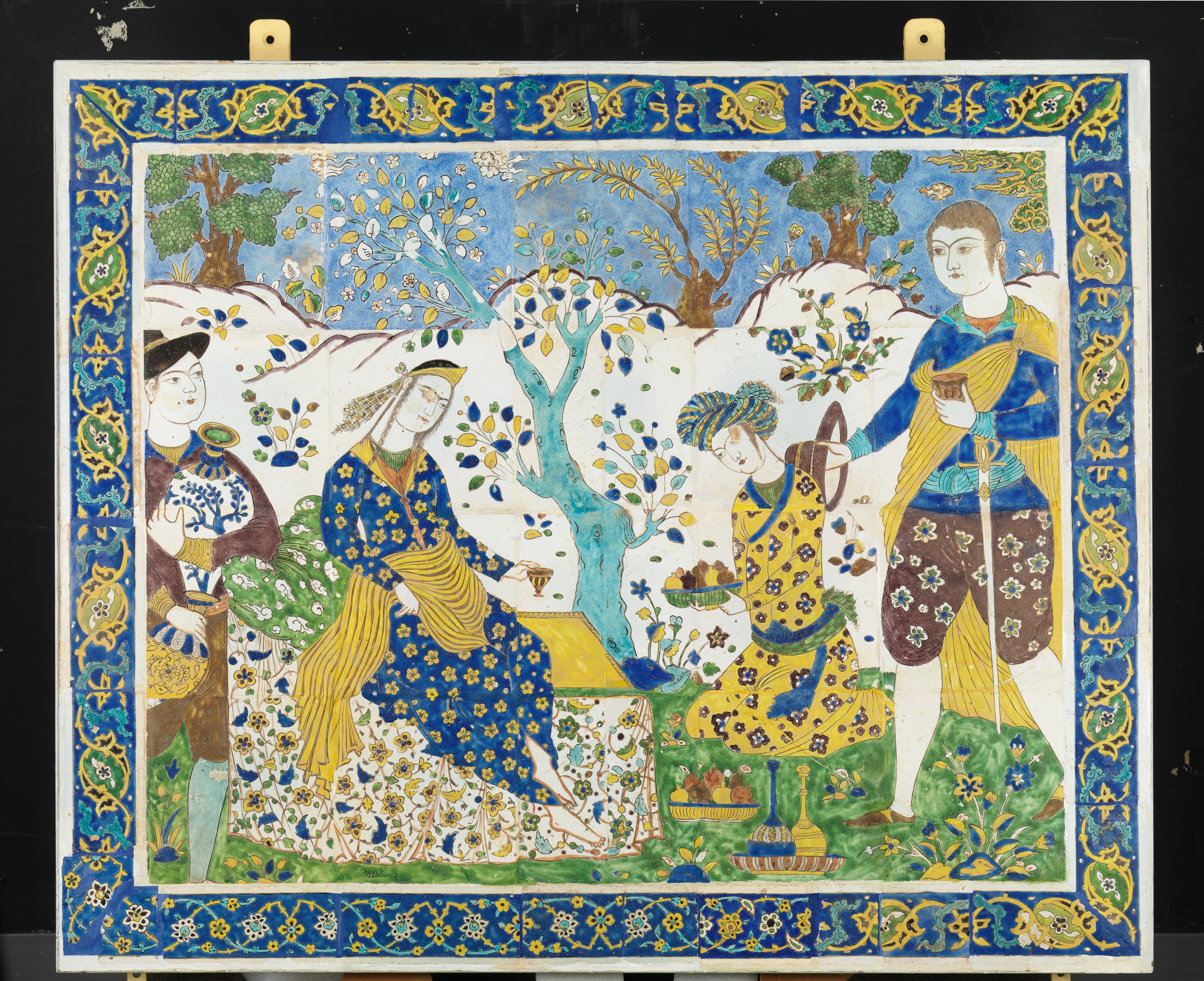
Craftsmanship Renewed: Traditional Techniques in Modern Design
In an era of mass production, contemporary designers are reasserting the importance of craftsmanship, merging time-honoured skills with modern aesthetics to create objects that resonate on personal and cultural levels.
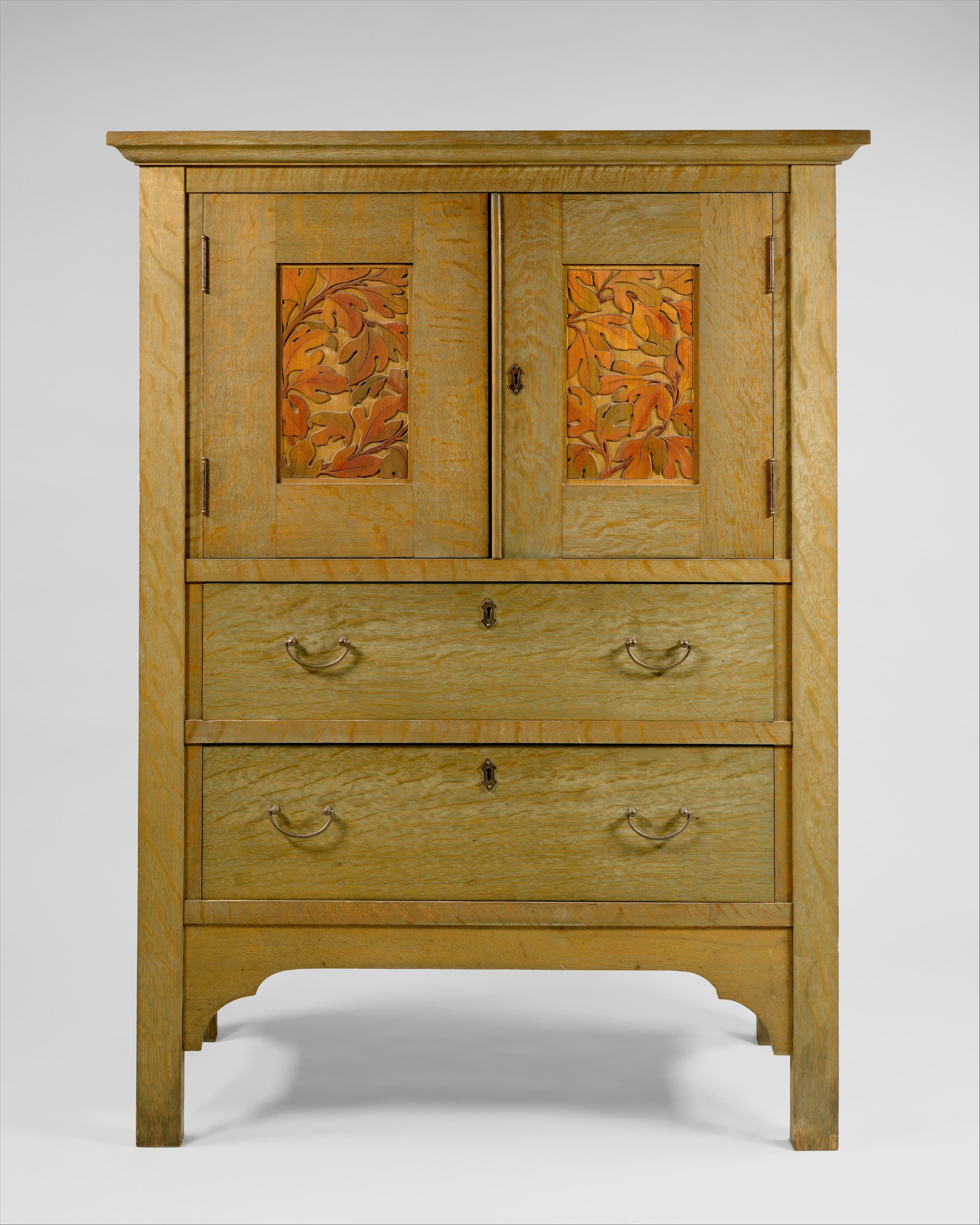
Crafting the Future: Innovations in Material Use and Design
Designers are pushing material boundaries while embracing sustainable crafts, offering a blueprint for future creative practices.
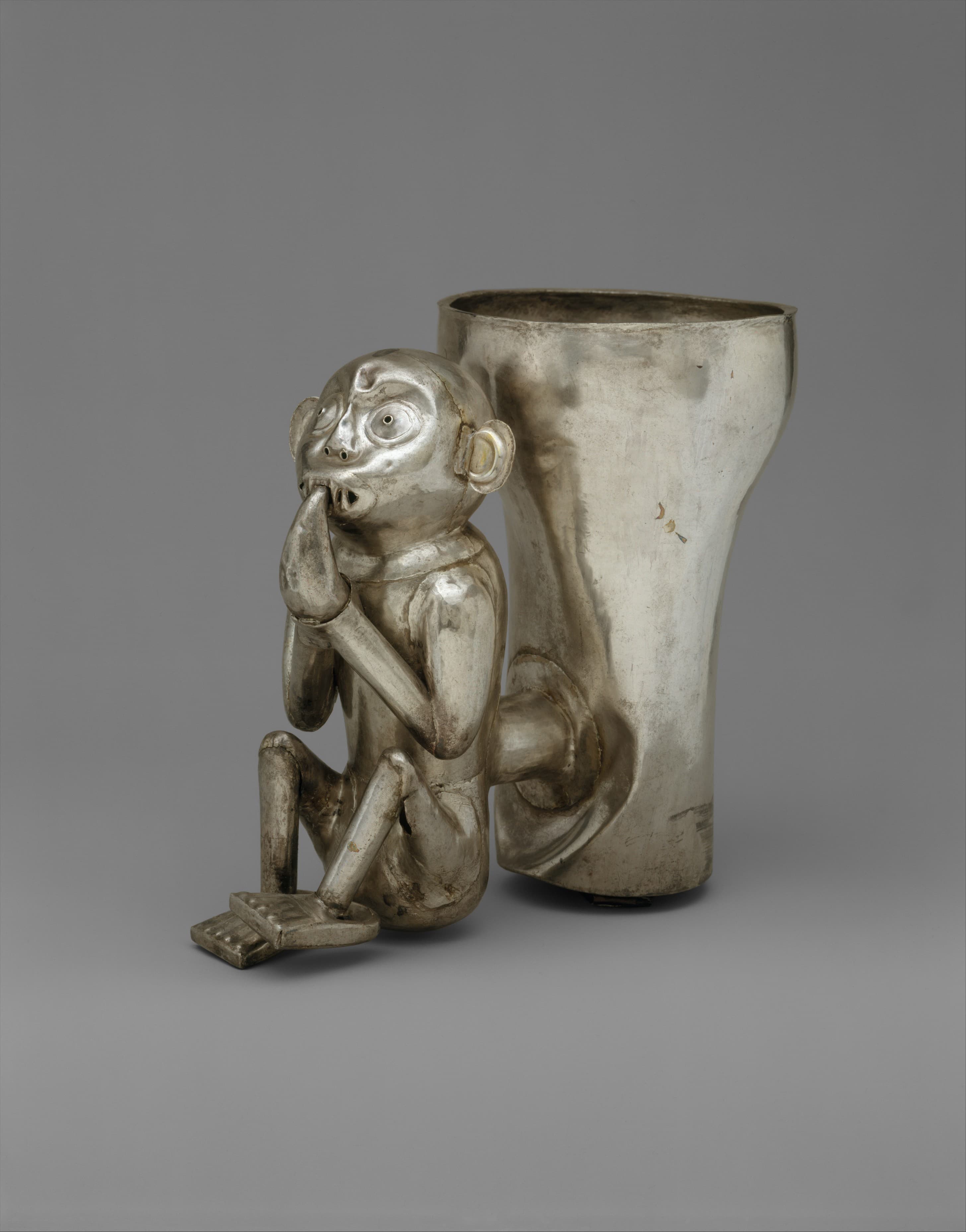
Radhika Chitalia and the Passport as a Vessel for Memory
Radhika Chitalia transforms her late father's passport into a tactile record of loss, reframing its pages as carriers of grief and remembrance.