
Craftsmanship Reimagined: Tradition Meets Technology
As technology challenges the boundaries of craft, the integration of digital tools with traditional techniques raises new questions about value, skill, and authenticity.
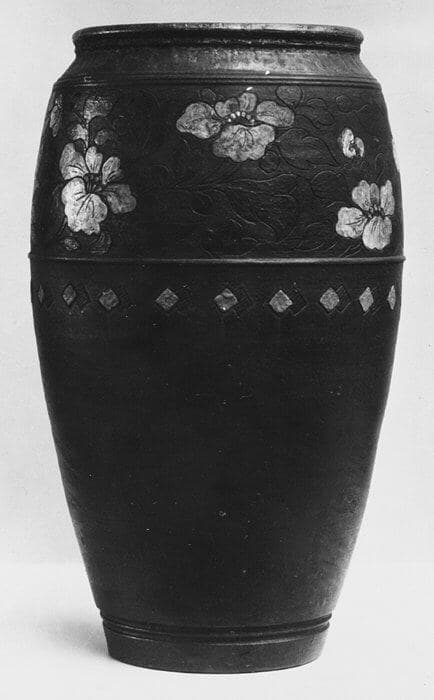
A vessel, thrown on a wheel in Mashiko, tells the story of clay, hands, and fire. In contrast, a 3D-printed vase mimicking its contours represents a different narrative. Both are artefacts of craftsmanship.
Tatiana Apráez, a designer from Colombia, utilizes the pre-Columbian lacquer technique barniz de Pasto. The resin is harvested in Nariño’s forests, at elevations above 1600 meters. In 2023, only eight families collected this resin, and thirty-six craftsmen applied it. Each object requires layers of varnish, meticulously smoothed with agate stones. Automation cannot replicate this process. "Every piece holds the hands of its maker," Apráez stated in an interview with the V&A Blog.
The digital era complicates this purity. Designers now use parametric modeling in ceramics and AI to generate textile motifs. Machines can imitate brushstrokes. This raises the question: what defines craftsmanship? Is it the hand, the material, or the intent?
Gala Porras-Kim’s installation at the 2023 Venice Biennale explored similar themes. Her collaboration between the V&A and La Biennale examined how museum practices alter the meaning of artefacts. By tracing repairs, reclassifications, and reproductions, Porras-Kim illustrated that even the ‘original’ is often a product of cumulative acts.
In design, the line between digital and handmade has blurred. Ceramicist Jonathan Keep 3D-prints clay forms that imitate natural growth patterns. His vessels are fired in traditional kilns, yet their origins are coded rather than sculpted. Some view this as a betrayal of craft’s ethos; others argue it expands its vocabulary.
Reinterpreting craftsmanship is not new. The Bauhaus movement in the 20th century merged industrial production with artistry, creating handmade yet scalable objects. Today, digital tools replace mechanical ones. The question persists: must the ‘maker’s mark’—once the unifying thread of craft—be physically tangible to hold meaning?
Economic pressures influence this discussion. Crafts reliant on endangered materials or dwindling expertise face existential threats. Techniques like barniz de Pasto or Japanese urushi lacquer are time-intensive and regionally specific. Technologies that replicate their appearance but not their processes offer cheaper alternatives, risking the dilution of cultural memory.
However, technology can also serve as a preservation tool. Artisans increasingly use scanning and VR to document their methods. The Smithsonian has digitized indigenous crafts from North America, enabling communities to access and revive forgotten designs.
For consumers, the allure of craftsmanship lies in its resistance to mass production. A handwoven rug or carved bowl offers not just utility but presence. As AI and digital fabrication evolve, discerning this presence may become more challenging. Will provenance—or the narrative of making—become the new scarcity?
The future of craftsmanship may not be either/or but both. The coexistence of tradition and technology could define this hybrid era. An AI-generated tattoo machine still requires a human artist to make the final mark on skin. Similarly, a digitally designed porcelain vase still needs kiln firing.
Closing these gaps in perception will be crucial. As Shigetoshi Yamamoto, a Kyoto crafts scholar, observes, "Technology is not a replacement; it is a negotiation. The hands remain involved, though their role shifts." Craftsmanship’s future may hinge not on rejecting tools but on redefining their purpose.
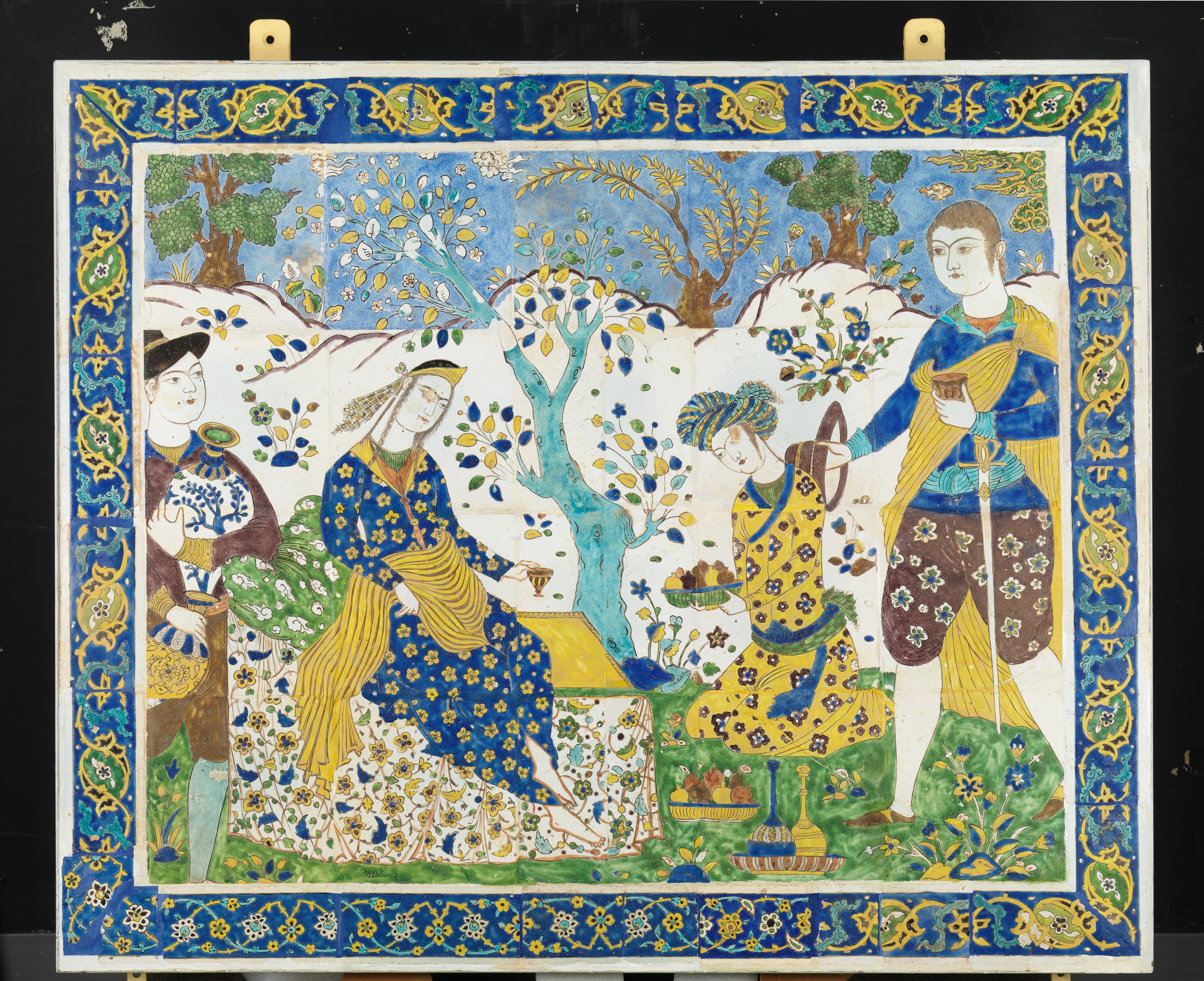
Craftsmanship Renewed: Traditional Techniques in Modern Design
In an era of mass production, contemporary designers are reasserting the importance of craftsmanship, merging time-honoured skills with modern aesthetics to create objects that resonate on personal and cultural levels.
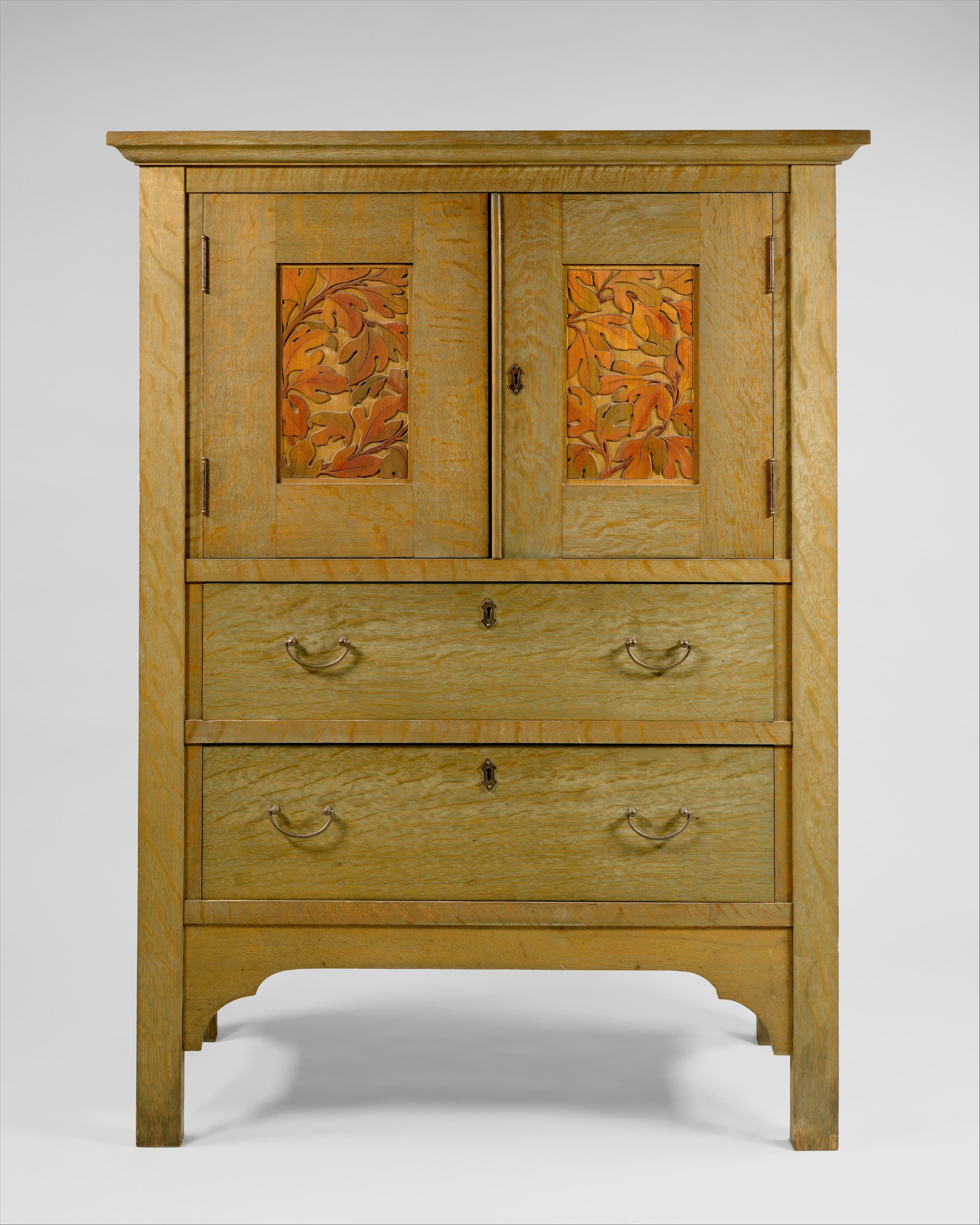
Crafting the Future: Innovations in Material Use and Design
Designers are pushing material boundaries while embracing sustainable crafts, offering a blueprint for future creative practices.
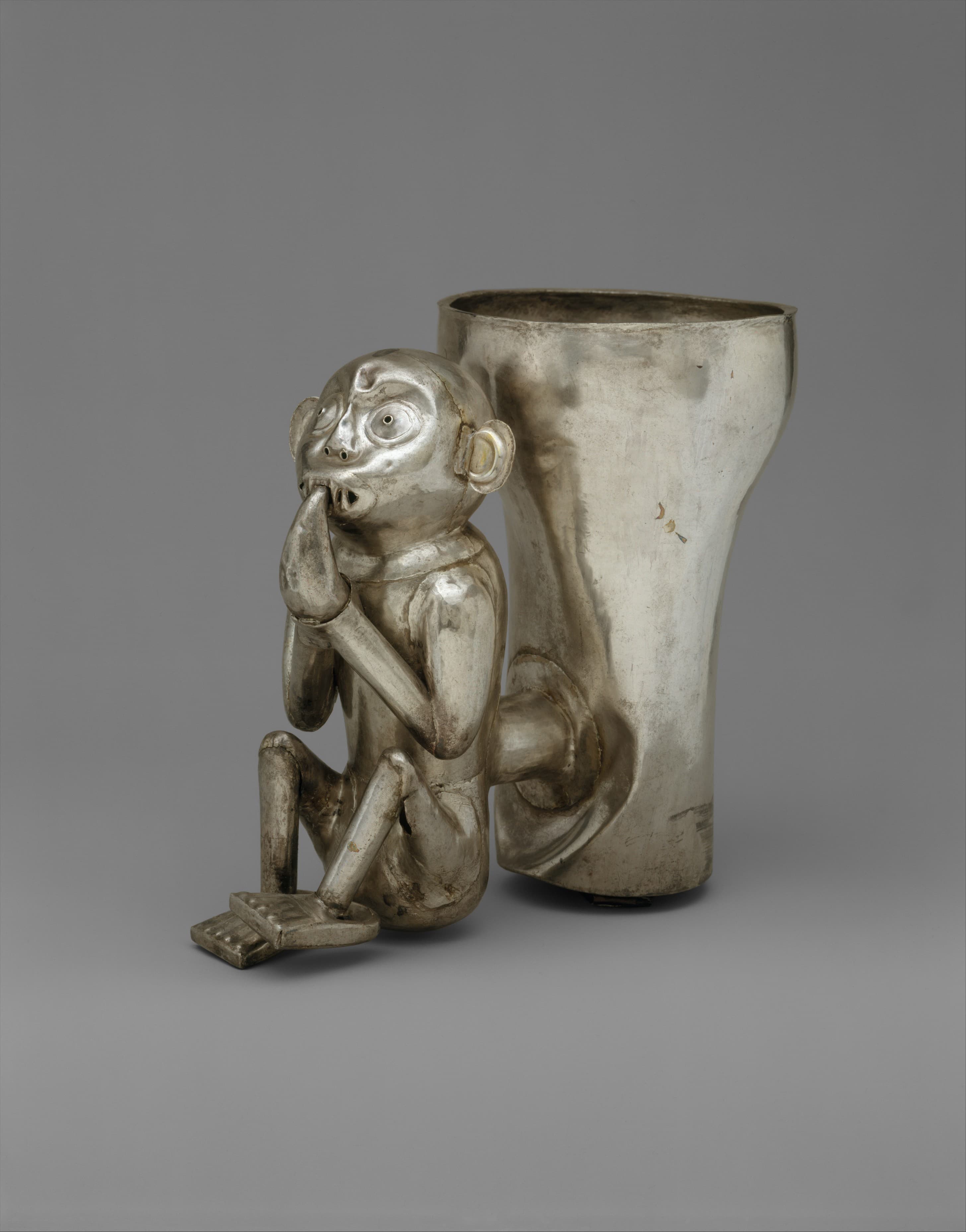
Radhika Chitalia and the Passport as a Vessel for Memory
Radhika Chitalia transforms her late father's passport into a tactile record of loss, reframing its pages as carriers of grief and remembrance.