
Cultural Heritage Under Siege: The Destruction of Ukrainian Architecture
The loss of an 18th-century Ukrainian church highlights the vulnerability of cultural heritage during war and its critical role in national identity.

On August 6, 2023, a missile strike destroyed the Church of the Nativity of the Virgin Mary in Vyazivka. This attack obliterated the 18th-century wooden structure, a rare example of Ukrainian ecclesiastical architecture. Its distinctive shingled spire exemplified the Polissian style. Now, not even its foundations remain.
This incident reflects the broader devastation of Ukraine’s cultural heritage since February 2022. UNESCO reports that over 270 cultural sites have been damaged or destroyed, including museums, libraries, and historic buildings. Architectural historian Ihor Poshivailo, director of Kyiv's Maidan Museum, states, "The human toll is incalculable, but the erasure of our built history deepens the wound—it’s a war on memory itself."
The Church of the Nativity showcased pre-industrial construction techniques, using local timber and traditional joinery. Its interior featured a Baroque iconostasis with gilt embellishments from the late 19th century. Artifacts from the church lack high-resolution photographic records, complicating preservation efforts. Since 2014, scholars like Poshivailo have advocated for emergency 3D-digitization programs, yet international funding has been inconsistent.
The cultural loss mirrors that of Aleppo’s Great Mosque, where the 11th-century minaret was destroyed during Syria’s civil war in 2013. Commentators have criticized the inadequacy of international heritage protections under the 1954 Hague Convention. Although Ukraine is a signatory, enforcement mechanisms remain weak. UNESCO has suggested satellite surveillance to monitor intentional destruction, but implementation faces logistical hurdles.
Despite these challenges, some preservation efforts continue. Ukraine's Ministry of Culture announced a $20 million initiative in September 2023 to protect at-risk monuments, supported by a commitment from the European Union. This funding will aid in reinforcing structures, relocating artifacts, and fortifying vulnerable sites in contested regions like Zaporizhzhia Oblast. High-profile institutions, such as the Lviv National Art Gallery, have moved parts of their collections underground or abroad.
For buildings like the Church of the Nativity, these measures come too late. Architectural conservator Lyudmyla Kalinina, who worked on the church in 1998, described its loss as "a theft of Ukraine's soul." She emphasized that the church’s design represented a unique synthesis of vernacular techniques and Byzantine motifs. "It's not just a building we’ve lost, but a thread in the very fabric of who we are as a people," she said.
This connection between cultural heritage and national identity is critical as Ukraine resists Russian aggression. The destruction of heritage sites serves to demoralize populations and undermine claims to sovereignty. The Kremlin has publicly dismissed accusations of targeting cultural assets, labeling them as propaganda, though satellite imagery and GPS-targeted strikes suggest otherwise.
What actions can mitigate further loss? Experts argue that cultural heritage should be integral to humanitarian aid. Organizations like the International Council on Monuments and Sites (ICOMOS) have called for emergency response protocols similar to the Hague-based International Criminal Court’s investigations into war crimes. Advocates like Natalia Kurylowicz propose a rapid-response fund for digitization and evacuation of cultural assets. Without international coordination, these proposals risk being mired in bureaucracy.
One immediate action item flagged by Blue Shield International is the formal recognition of heritage professionals as "cultural first responders." The report suggests offering Ukrainian heritage workers the same protections and resources as medical personnel in conflict zones. Recognizing their work as essential to post-war recovery could incentivize international donors and increase logistical support.
As the war continues, Ukraine has mobilized its cultural institutions as symbols of defiance. Performances by the National Opera of Ukraine persist in bomb shelters, while the PinchukArtCentre in Kyiv has adjusted its programming to emphasize wartime resilience. Yet, the loss of architectural heritage like the Church of the Nativity creates an irreplaceable void. The ongoing conflict highlights the fragility of cultural identity and the urgent need for proactive preservation efforts.
For now, the site in Vyazivka remains barren—a stark reminder that heritage cannot wait for peacetime to be preserved.
- Over 270 Ukrainian Cultural Sites Damaged Since 2022 — UNESCO
- Maidan Museum Ukraine — Maidan Museum
- Latest Report: Cultural Heritage Protection in Ukraine — Blue Shield International
- Sacred Wooden Structures of Eastern Europe — Wharton Publishing
- Heritage in Crisis: Protecting Culture During Conflict — ICOMOS
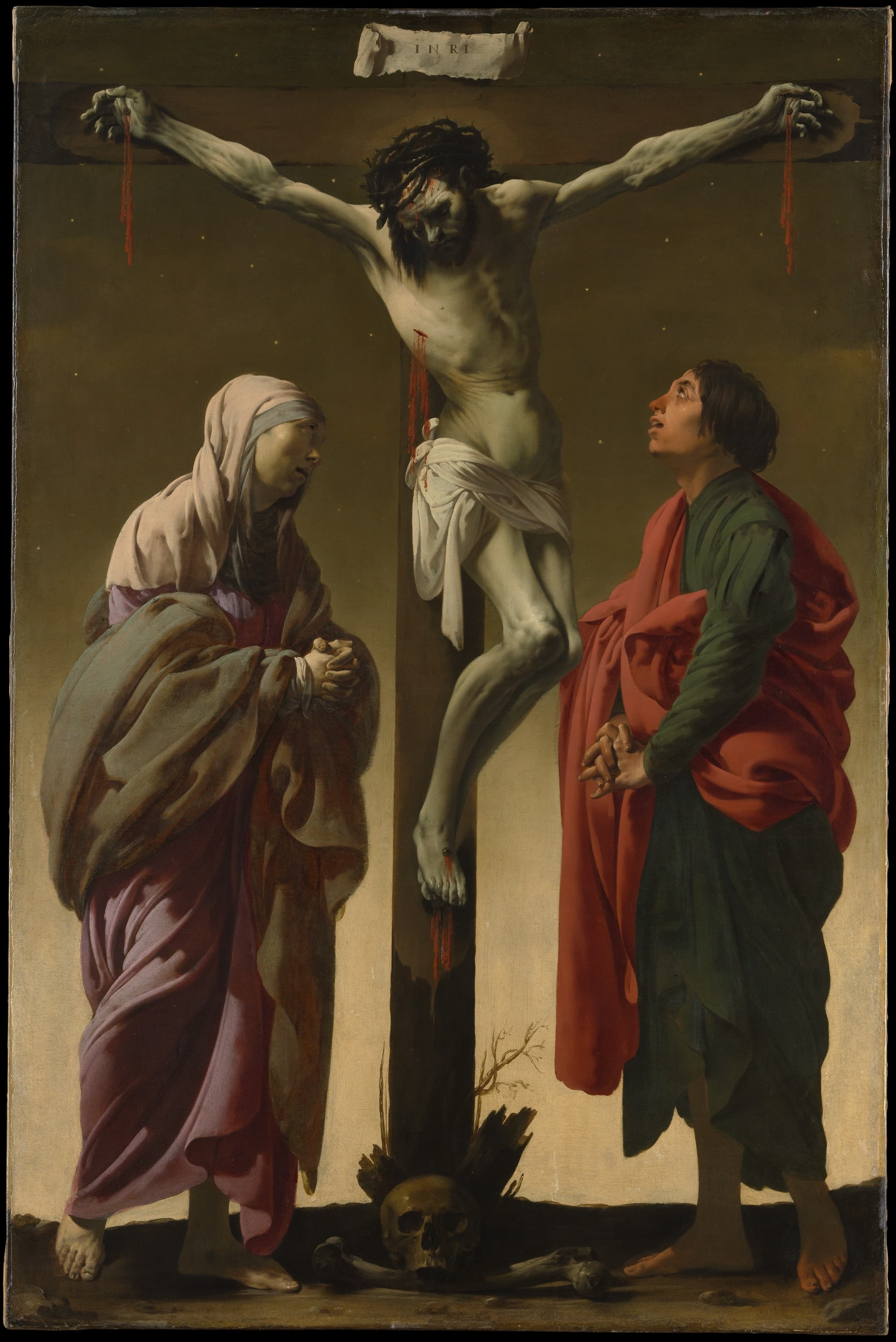
Reinterpreting the Past: Historical Narratives in Contemporary Exhibitions
Modern museums and galleries like Borusan Contemporary reshape historical narratives to engage contemporary art, creating frameworks that juxtapose tradition and innovation.
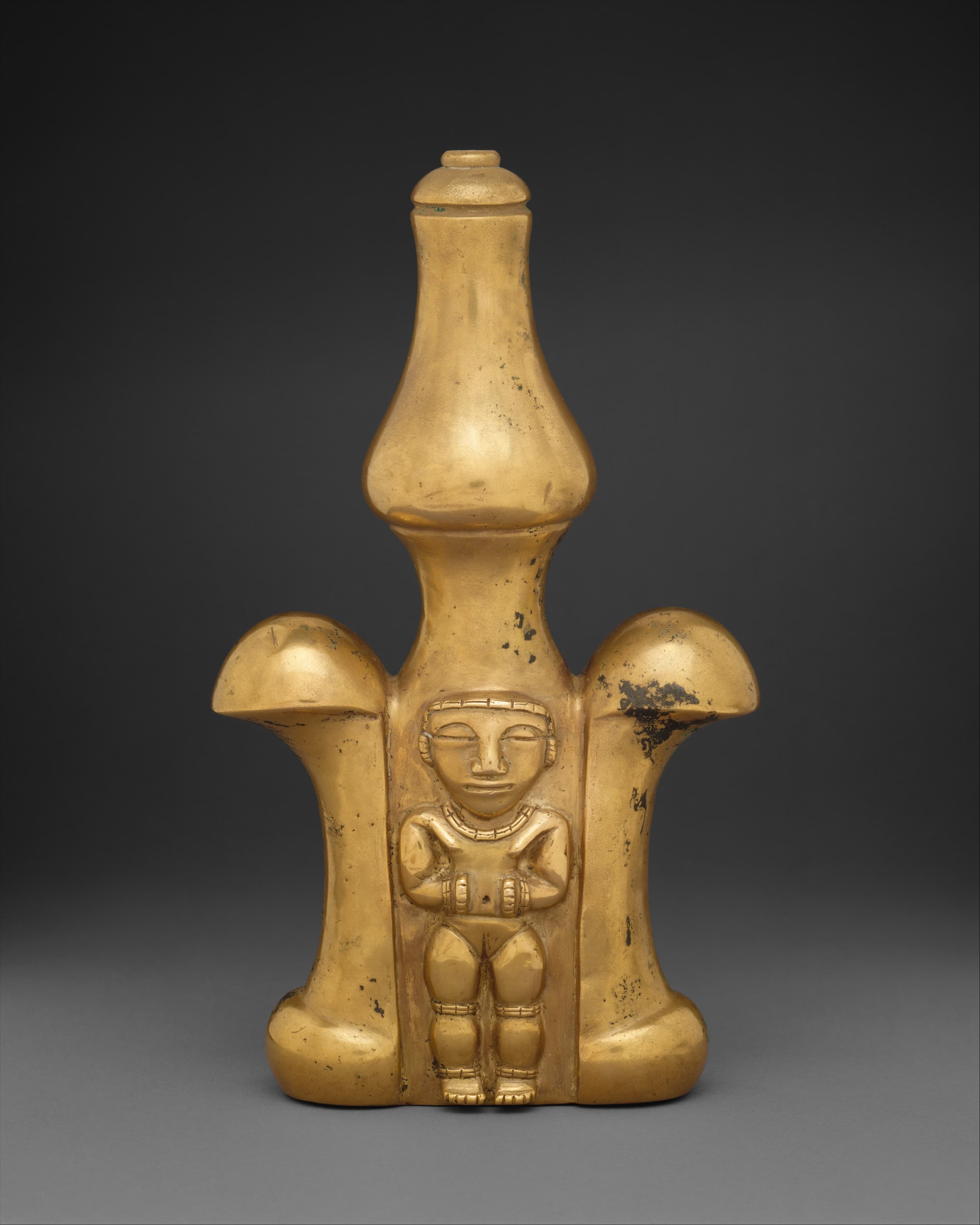
From Containers to Conduits: The Evolution of Contemporary Exhibition Spaces
MALBA and others are transforming museum spaces into dynamic arenas for community interaction and dialogue, redefining the role of cultural institutions in the 21st century.

Art and Activism: Museums as Agents of Social Change
Museums are transforming from neutral repositories to active spaces for dialogue, reflecting the demand for cultural institutions to engage with social issues.