
Cultural Narratives Reshaped in Contemporary Art
Artists like Marka27 and Isaiah Lee forge connections between personal identity and cultural heritage, challenging established ideas within contemporary art.

In his Boston studio, Victor 'Marka27' Quiñonez applies vibrant acrylic to wood panels. His Neo Indigenous series merges graffiti aesthetics with Indigenous Mesoamerican motifs, reflecting his upbringing in Mexico and his immersion in US street art. Quiñonez describes his practice as "creating a bridge between ancient traditions and urban culture." The success of Neo Indigenous has led to exhibitions at the Mesa Contemporary Arts Museum in Arizona and galleries across New York and Los Angeles.
Isaiah Lee, based in Seoul, works with ceramics. His installation, Inheritance and Alteration, at the National Museum of Modern and Contemporary Art (MMCA), features stoneware vessels layered in natural glazes. Each vessel reinterprets traditional Korean moon jars, which Lee associates with "concepts of wholeness and inherited imperfection." He uses clay from the Icheon region, firing his pieces in an anagama kiln to highlight irregularities. As he notes, "The fire chooses the final surface, not me."
Both artists interrogate identity. Quiñonez's layered canvases and murals incorporate portraits of Indigenous figures alongside contemporary elements like spray-paint fades. His mural, Rise Above in Denver, serves as a platform for dialogue on decolonization and self-empowerment. He sees these works as "reclaiming narratives that were erased or ignored."
Lee’s vessels invite subtler engagement. At MMCA, his installation featured a soundscape of recorded interviews with elder ceramicists in Gyeonggi Province. Visitors noted how the overlapping audio blended with the space, creating an immersive experience. Lee’s integration of oral histories reflects his belief that craft encapsulates memory as much as material.
Professor Mina Kim of Yonsei University suggests that Lee’s practice represents a form of "slow activism." By elevating imperfections from traditional methods, Lee critiques modern industrial aesthetics while reaffirming the cultural significance of Korean ceramics.
Quiñonez’s bold visual language emphasizes immediacy. His collaborations with brands like Adidas and Volcom have not diluted the political undertones of his art but have extended its reach. "Mainstream platforms aren’t inherently antithetical to cultural expression," Quiñonez said during a panel at the Museum of Graffiti in Miami. "It’s about asserting autonomy within those spaces."
The dialogue opened by these artists extends beyond galleries. In 2022, Quiñonez partnered with Arte Américas in Fresno, California, to conduct mural workshops for migrant youth, providing tools to articulate their own stories through visual art. Similarly, Lee has held workshops in Icheon, inviting younger generations to experiment with traditional pottery techniques while discussing the history embedded in each method.
The visibility of artists centering cultural narratives aligns with broader shifts in the art world. Institutions like the Museum of Latin American Art (MOLAA) and the National Museum of Asian Art in Washington, D.C., have expanded acquisition policies to embrace diverse storytelling. "Artists like Quiñonez and Lee are vital to this repositioning," explains Dr. Laura Pérez, curator of Latinx studies at the University of California, Berkeley. "Their work insists on spaces where underrepresented histories can thrive."
Yet, challenges remain. The commercialization of cultural symbols raises questions about authenticity. Quiñonez’s collaborations with corporate brands, while impactful, have drawn scrutiny from critics concerned about diluting his visuals. Similarly, the rising demand for Korean ceramics risks commodifying traditions that Lee seeks to preserve.
Both artists navigate these pressures by maintaining control over their narratives. Quiñonez spearheads community-based projects, ensuring his art retains its activist core. Lee limits production runs and prioritizes direct engagement with local artisans.
As they navigate contemporary art, their work underscores the relevance of cultural identity as a dynamic force. Quiñonez’s murals and Lee’s vessels invite audiences to rethink their assumptions about tradition and modernity. Through bold imagery and quieter forms, both artists challenge us to consider how personal and collective histories reshape our present.
- *Neo Indigenous* exhibition page — Mesa Contemporary Arts Museum
- *Inheritance and Alteration* exhibition details — National Museum of Modern and Contemporary Art, Korea
- Arte Américas community programs — Arte Américas
- Museum of Graffiti — Marker27 panel discussion — Museum of Graffiti
- National Museum of Asian Art collections — Smithsonian Institution
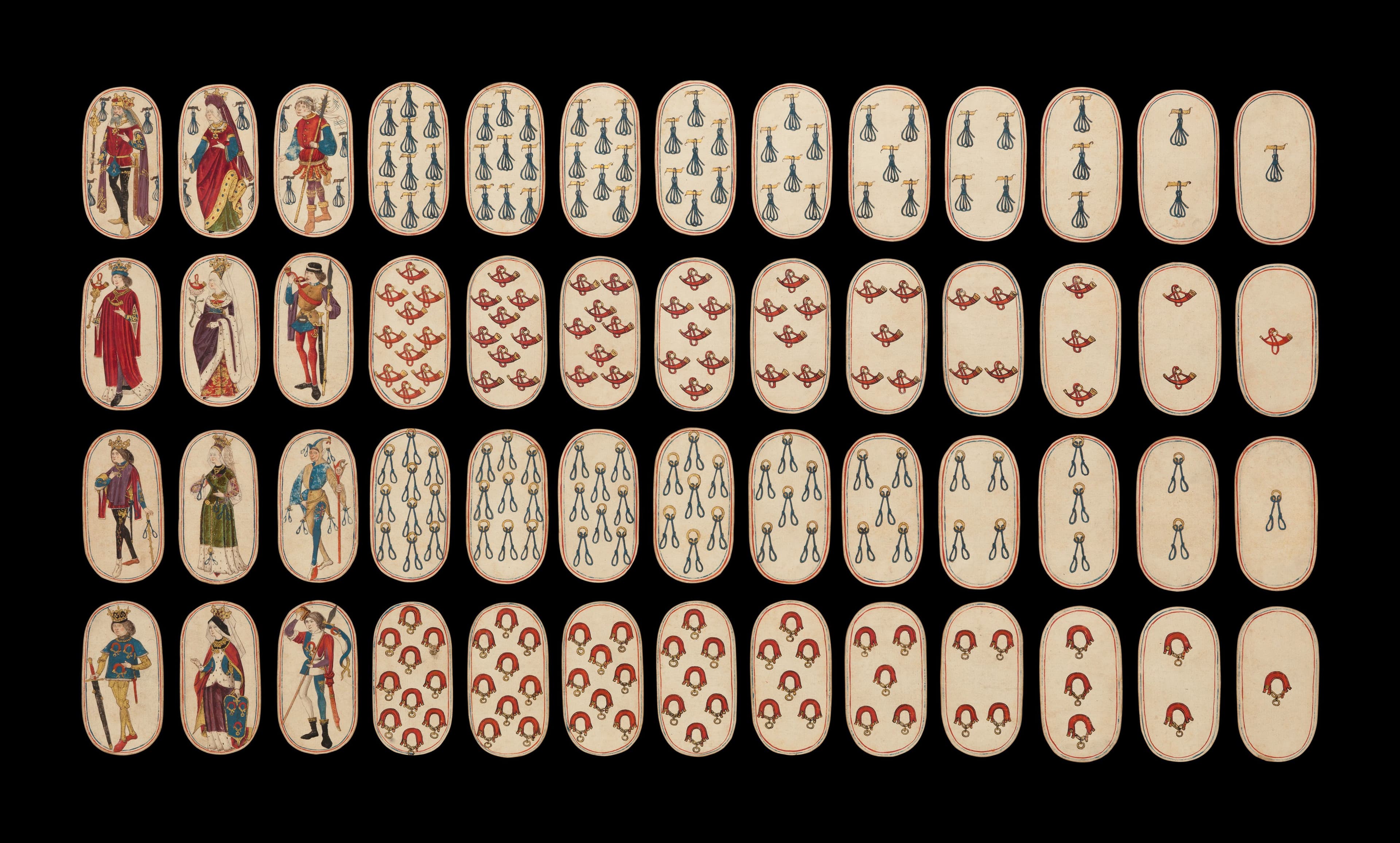
From Trading Cards to Rare Designs: Collectibles in Contemporary Art Markets
Collectibles blur the line between popular culture and fine art, reshaping perceptions of value in global markets.
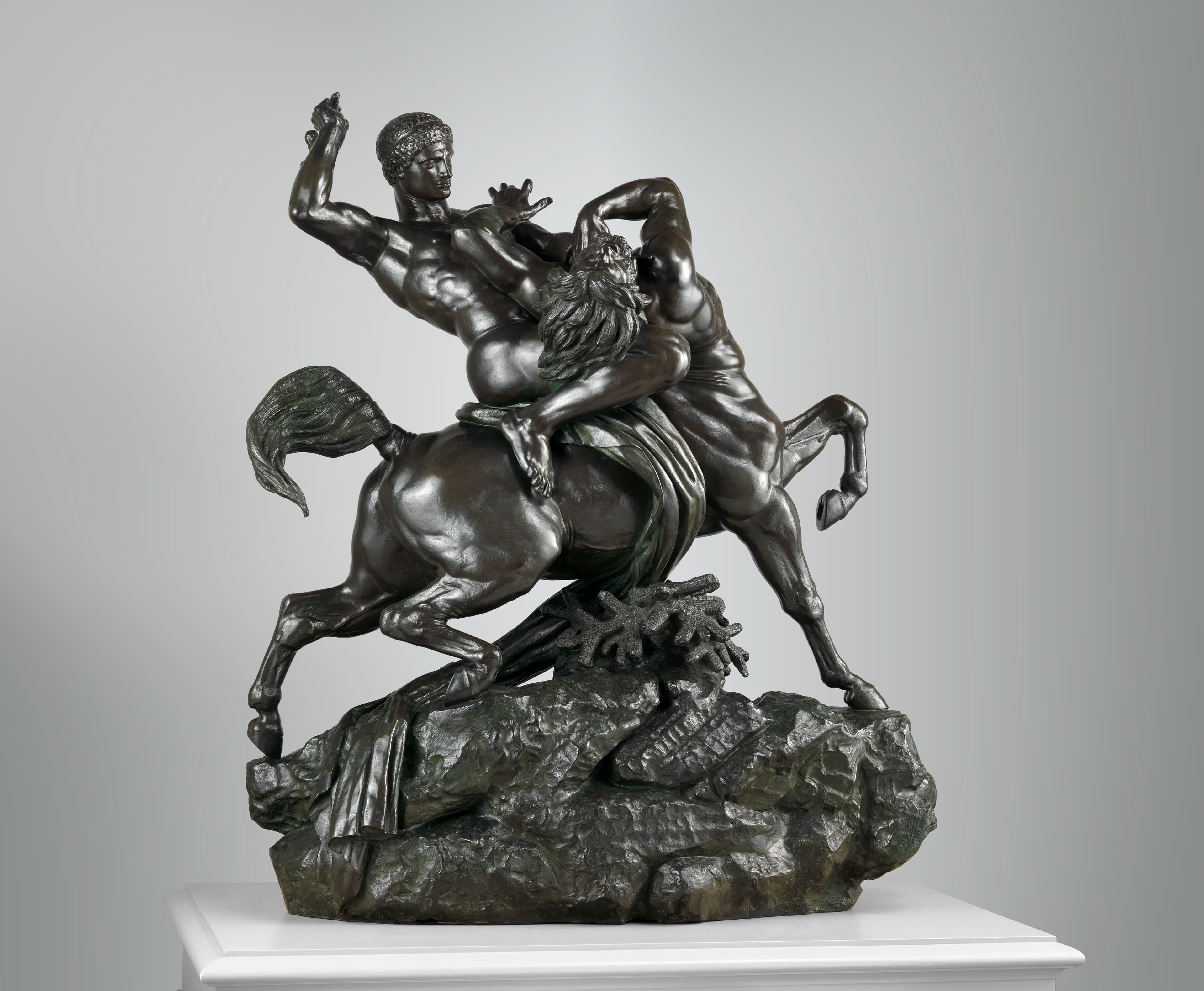
Shifting Sands: Art Market Dynamics in 2023
From fractional sales to institutional bids, the evolving art market demands both artists and collectors adapt to new mechanisms of valuation and access.

Queer | Art x Doll Invasion: Community, Representation, and the Auction Block
The second annual fundraiser exhibition in New York showcases auction highlights and grassroots engagement to uplift queer artists and foster inclusivity in contemporary art.