
Custodians and Confrontations: The Stresses on Cultural Heritage
Recent thefts and restitutions expose the vulnerabilities in safeguarding artifacts and the ethical obligations of museums in preserving cultural heritage.
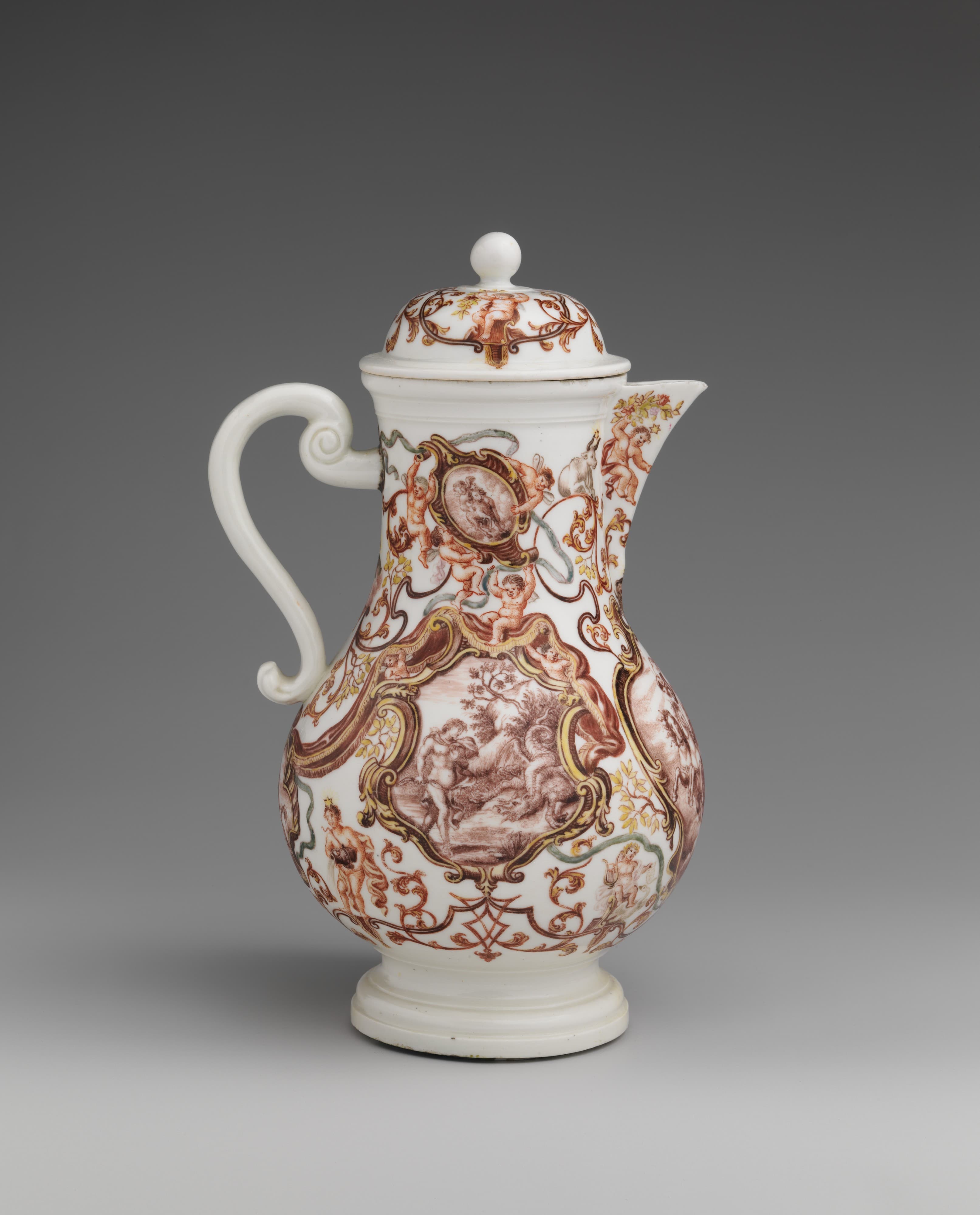
In September 2023, the British Museum disclosed that more than 2,000 items, including jewelry and gems, had been stolen or were unaccounted for. Investigations indicated insider involvement, intensifying criticism of the museum’s inventory management. George Osborne, chair of trustees, admitted that oversight mechanisms had "fallen short of standards," underscoring the institution's struggle to protect its extensive holdings.
This incident has reignited debates about museums' ethical responsibilities, particularly regarding artifacts acquired under colonial conditions. The British Museum, often criticized for retaining contested items like the Parthenon Marbles, now faces increased scrutiny. Mark Jones, former director of the Victoria and Albert Museum, advocates for transparent inventories verified by third parties, emphasizing the conflict between legacy collections and modern accountability.
In contrast, other European nations have restored cultural heritage. In July 2023, the Netherlands returned over 400 artifacts to Indonesia and Sri Lanka, including the Lombok treasure, looted during a colonial expedition in 1894. The Dutch Advisory Committee on the Return of Cultural Objects recommended these restitutions, highlighting the moral imperative to address historical wrongs. Historian Jos van Beurden called this act "belated justice," noting that the reclaiming nations now face challenges in integration and display.
These events illustrate the precarious position of cultural artifacts within contemporary institutions. Balancing the claims of encyclopedic museums with the momentum for repatriation remains challenging. The International Council of Museums (ICOM) has updated its Code of Ethics, insisting on provenance research as essential for acquisitions and stewardship. Yet, as the British Museum scandal illustrates, even basic management can falter at major institutions.
Environmental and political risks also threaten collections. Climate change exacerbates these pressures. A 2022 report from ICCROM estimated that over 30% of UNESCO World Heritage Sites face medium to severe climate hazards. Venice’s Acqua Alta floods increasingly threaten the architectural integrity of its historic sites, despite the MOSE barrier project. The Palazzo Ducale, housing several museum collections, remains vulnerable to rising waters.
As museums navigate these tensions, contemporary artists have weighed in. Ghanaian artist Ibrahim Mahama highlights displaced heritage through installations like Parliament of Ghosts (2019). His work critiques inequalities in global histories of extraction. "Art can expose inequities in ways that institutions struggle to," Mahama stated during a 2023 panel for the Zeitz Museum of Contemporary Art Africa.
Despite momentum for restitution, critics warn of over-correction. Some archaeologists caution against fragmenting collections by returning items to regions ill-equipped for preservation. The Benin Bronzes exemplify this dilemma. While Germany has repatriated several pieces to Nigeria, others remain in limbo as the Edo Museum of West African Art is still under construction. Such delays amplify criticisms of restitution as performative rather than pragmatic.
These incidents reveal that the future of cultural heritage lies not in static conservation but in active, collaborative stewardship. Digitization offers one avenue, with initiatives like Google Arts & Culture expanding access to dispersed collections. However, digital reproductions can only supplement, not replace, the physical and contextual integrity of artifacts.
The stakes extend beyond museums. When objects are stolen, neglected, or returned without preparation, they lose more than provenance—they lose the histories they carry. The unresolved question remains whether the guardians of these objects—museums, states, and communities—can recalibrate their roles to meet these layered challenges. For now, fragility, rather than security, defines heritage stewardship in the 21st century.
- Official statement on recent thefts — The British Museum
- Details on Dutch restitutions to Indonesia and Sri Lanka — Cultural Heritage Agency of the Netherlands
- ICOM Code of Ethics for Museums — International Council of Museums
- Report on climate risks to cultural heritage — ICCROM
- Ibrahim Mahama panel discussion — Zeitz Museum of Contemporary Art Africa

Museums and the Shaping of Cultural Narratives
Through recontextualized exhibitions and inclusive initiatives, museums are redefining their role from custodians of artifacts to engines of cultural dialogue.

Evolving Spaces: How Museums are Adapting in the Digital Age
From augmented reality to AI-curated collections, digital tools are reshaping museum practices and redefining how audiences engage with art and culture.

Museums as Mirrors: Reflecting Social and Environmental Challenges
Cultural institutions are evolving to address pressing social and environmental issues, using exhibitions, programming, and architecture to foster critical public discourse.