From Asylum to Dialogue: The Mind Museum's Adaptive Reuse
CF Møller Architects' redesign of a former psychiatric hospital into the Mind Museum prioritizes dialogue, memory, and community over institutional authority.

In Vejle, Denmark, the Mind Museum occupies the former Vejle Hospital for the Insane, which operated from 1898 to 1992. Redesigned by CF Møller Architects, the museum opened in 2022 as a center for mental health awareness and education. This adaptive reuse challenges traditional museum narratives.
The project began with a fundamental question: how should one display the intangible? Unlike natural history museums, the Mind Museum lacks a tangible collection. Its focus is on mental health—stories of lived experience and societal evolution. The original hospital campus, a cluster of imposing red-brick buildings, carries its own history. CF Møller’s approach retained much of this infrastructure, embedding the narrative within the architecture.
The redesign preserved the central pavilion, a panopticon-inspired building once used to observe patients. Its octagonal layout and high, arched windows remain intact, but the interior now houses immersive exhibitions. A spiral ramp replaces the central staircase, subtly evoking a neural structure. Glass panels etched with archival records flank the entry, revealing the hospital’s administrative past. “Architecture should be transparent in its cultural layering,” says Mads Mandrup Hansen, a senior partner at CF Møller. “We wanted materials that would not erase but amplify the memory of the site.”
Adaptive reuse distinguishes this project. By retaining the hospital’s layout, the architects resisted the trend of neutralizing spaces, where the past is erased for a generic present. The Mind Museum activates its past, transforming it into a dialogue between eras. Visitors encounter the original courtyard, now repurposed as a public square. A former treatment room serves as a space for workshops on coping strategies for anxiety disorders. The deliberate proximity of these histories invites reflection.
This concept of “dialogic space” extends to the museum’s programming. Exhibitions blend regional history with global perspectives; one room juxtaposes psychiatric patient registers from 1903 with contemporary interviews from individuals navigating Denmark’s mental healthcare system. The Mind Museum also invites the public to contribute. An ongoing oral history project collects stories of mental health from Vejle residents, integrating personal memory into the broader narrative.
Such designs reflect a trend in European museum architecture. Institutions increasingly treat buildings as artifacts. The Humboldt Forum in Berlin and the Bourse de Commerce in Paris similarly insert new functions into historically charged spaces, though their approaches differ in tone and intent. What sets the Mind Museum apart is its insistence on material continuity. Where the Bourse’s polished concrete obscures the original stock exchange, the Mind Museum keeps its scars visible.
This approach is not immune to critique. Some question whether preserving such spaces risks re-traumatizing visitors. Curator Niels Bo Jacobsen acknowledges this tension: “There is no way to entirely separate the therapeutic from the traumatic here. But the point is to engage with that discomfort, not to erase it.” Jacobsen notes that the museum’s programming, which includes facilitated group discussions, aims to provide support rather than operate solely as a contemplative space.
Financial backing for the project came from Denmark’s Ministry of Culture, which allocated 49 million DKK (~7 million USD) for the conversion. An additional 11 million DKK (~1.6 million USD) was raised through municipal and private funding. For a mid-sized institution, the budget is modest, but the project’s scale resonates beyond its immediate community. Since opening, the museum has partnered with European research bodies, including the European Alliance Against Depression, to host conferences and develop resources.
For CF Møller, the Mind Museum represents a continuation of their portfolio. The firm’s work frequently addresses what its founder, Christian Frederik Møller, called “the architecture of care.” Projects like Aarhus University Hospital and Hospice Djursland explore how spatial design supports emotional and physical wellbeing. The Mind Museum marks a more explicit adaptation of historical frameworks to modern needs.
The museum’s success raises larger questions: should all historic sites with fraught histories be preserved as teaching tools? At what point does preservation risk commodifying pain? The Mind Museum avoids easy answers, but its design intervenes delicately enough to allow reflection without dictating conclusions. The glass, brick, and steel of Vejle Hospital now contain a space for empathy and inquiry. CF Møller’s intervention suggests that acknowledging uncomfortable histories can create new, shared narratives.
- Mind Museum Vejle — CF Møller Architects
- Ministry of Culture Denmark - Project Grants — Ministry of Culture Denmark
- Vejle Museums — Vejle Museums
- European Alliance Against Depression — EAAD
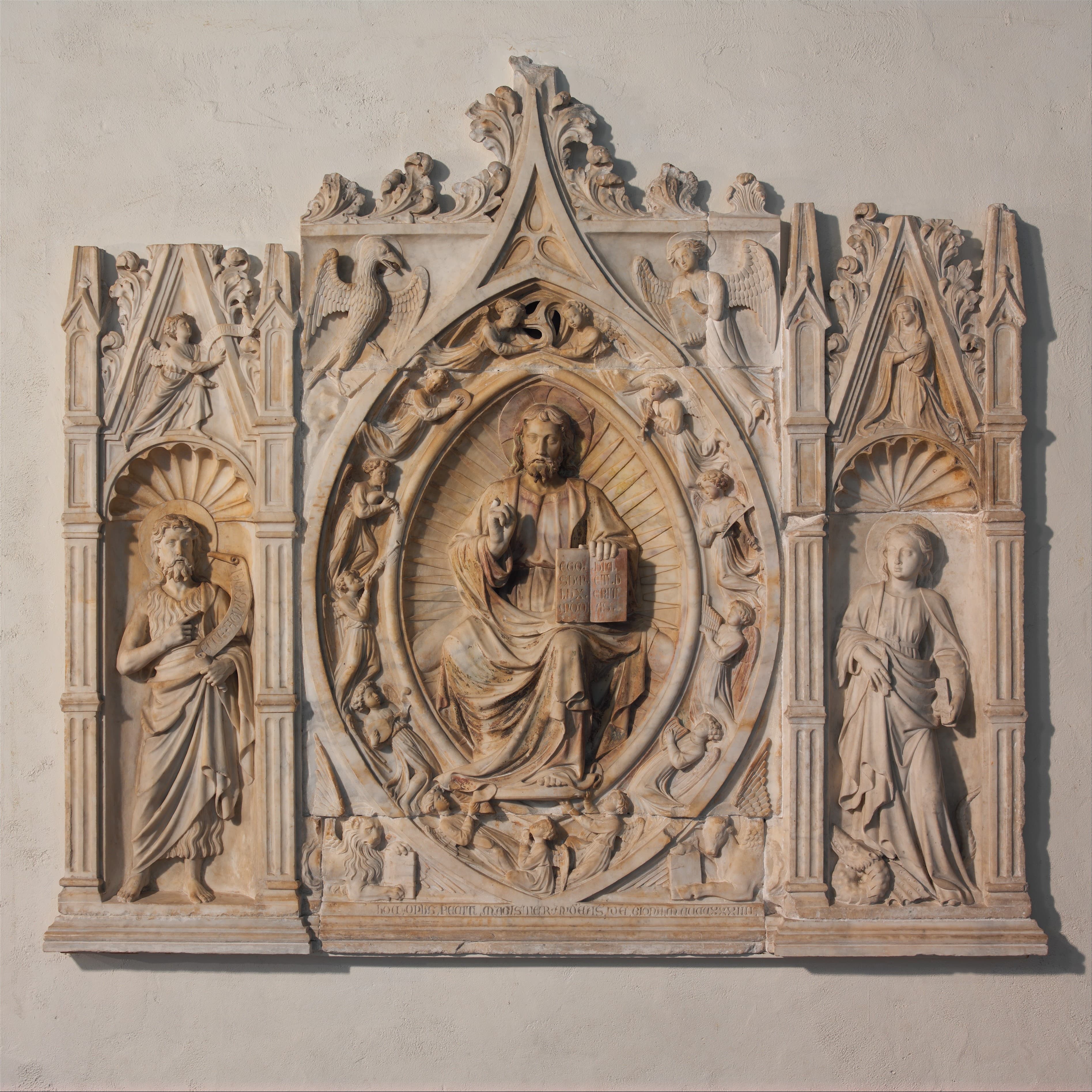
Inhotim at 20: Sustained Growth or Fragile Monument?
Brazil’s Inhotim celebrates its 20th anniversary as a global art destination. Yet, challenges of sustainability and succession loom over its sprawling gardens and pavilions.
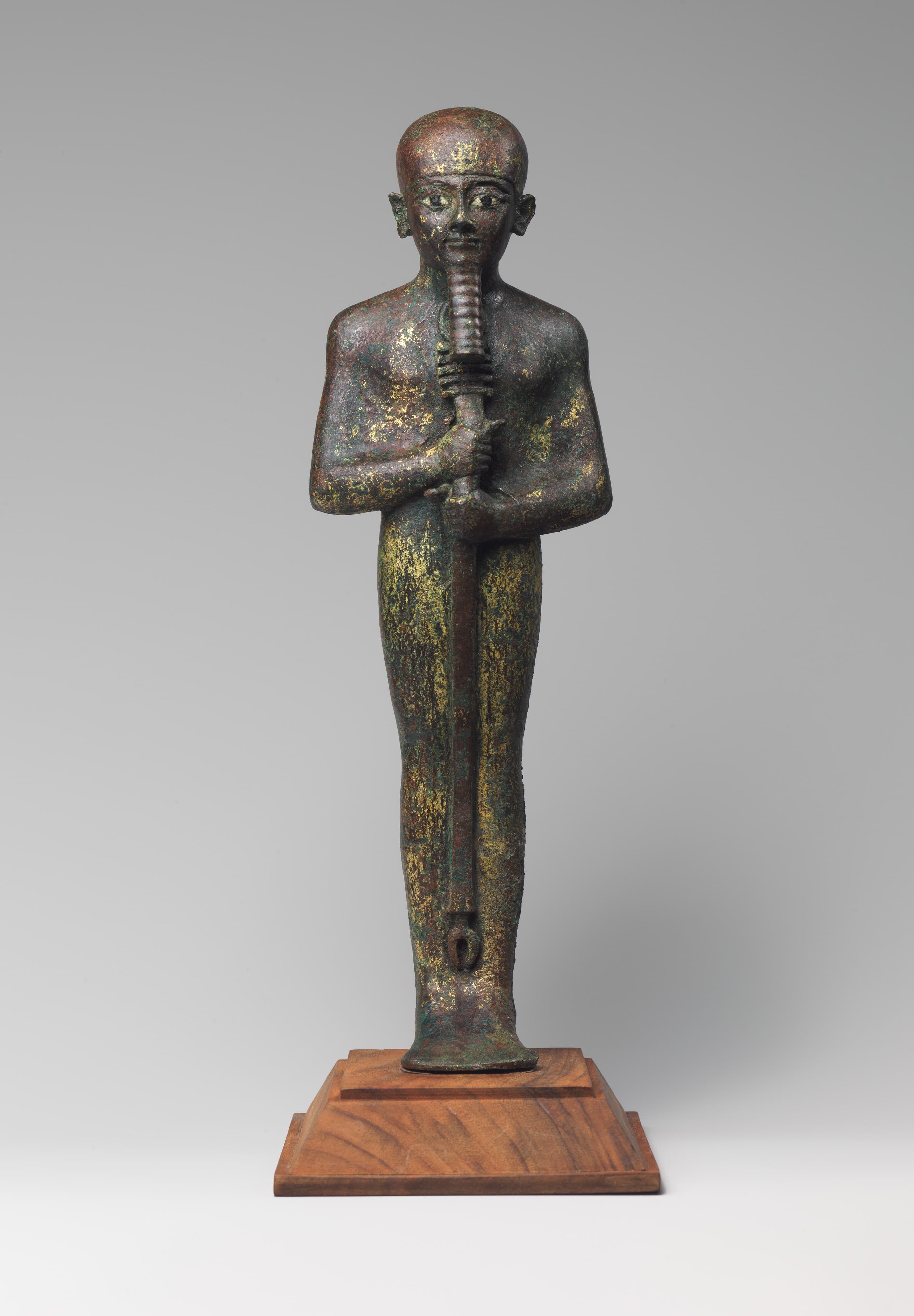
Museums as Custodians of Cultural Memory: Recent Discoveries and Exhibitions
From restitutions to groundbreaking exhibitions, museums shape conversations on cultural identity and historical preservation in 2023.
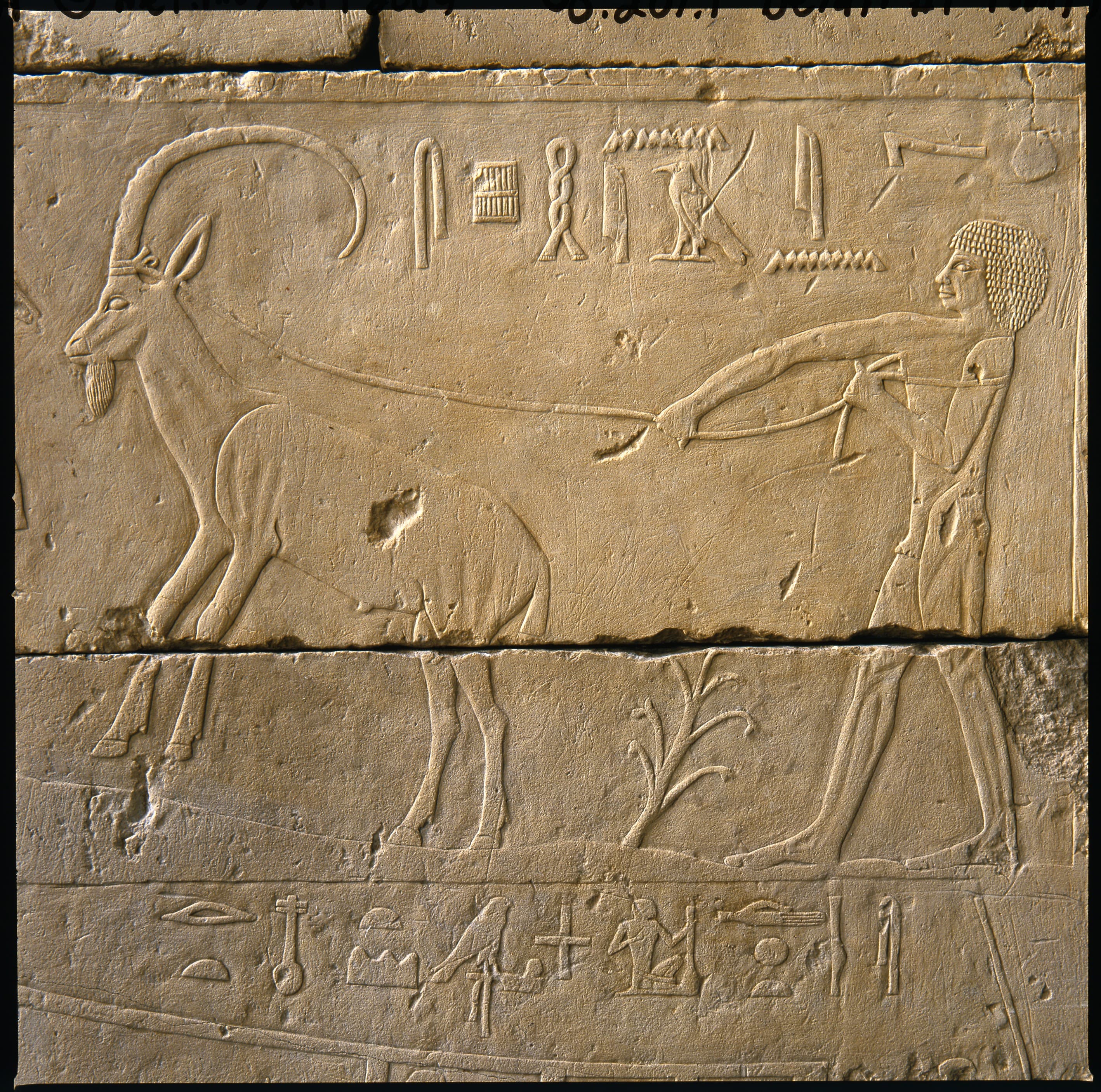
Beyond the Walls: Museums as Engines of Community Engagement
Cultural institutions are transforming from repositories of objects to active civic players, redefining their roles in diverse communities.