
From Possession to Connection: Modern Collecting Practices in Flux
A new generation of collectors is redefining art ownership, challenging established metrics of value and reshaping the art market’s norms.
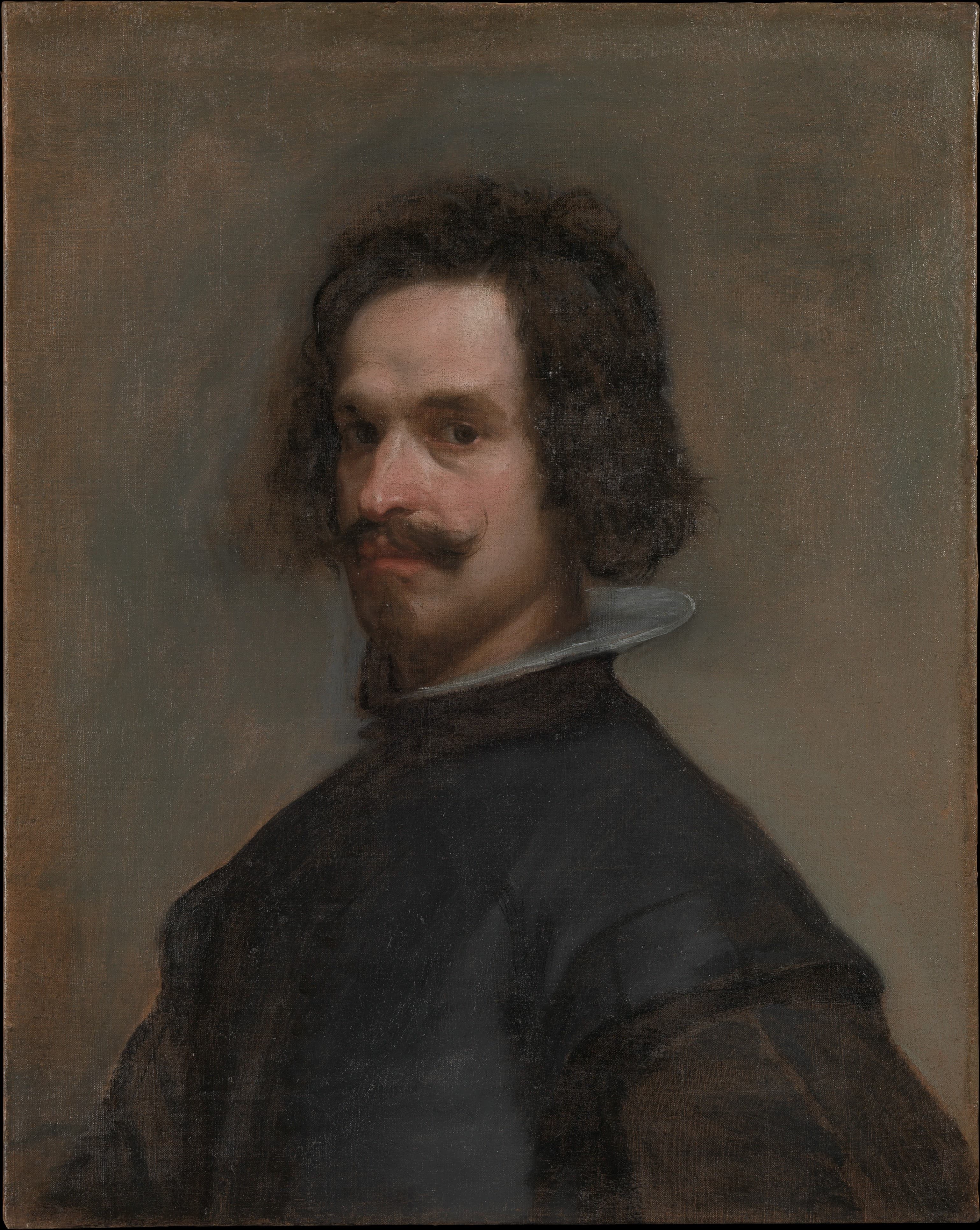
Modern collecting practices emphasize narratives over pedigrees. This shift is evident in auction rooms and social media, where collectors prioritize the stories behind artworks. At Art Basel Miami Beach 2022, galleries noted younger buyers selecting pieces that resonate with their identities. This reflects a broader cultural turning point.
The rise of mid-career and underrepresented artists in primary market exhibitions illustrates this change. In 2021, British gallerist Sadie Coles observed that about 60% of her younger clientele sought works by artists from historically marginalized communities. At Phillips’ October 2023 evening sale in London, nearly half of the lots were by emerging or mid-career artists, a stark shift from the blue-chip dominance of a decade ago.
Value in art collecting is no longer solely tied to provenance or rarity. The emotional or ideological fit of a piece with a collector’s worldview is crucial. As Sophie Neuendorf, Vice President at Artnet, stated in a 2023 interview, "Collectors today are more interested in connecting with an artwork’s intent, the artist’s background, or its cultural relevance than just following what’s trending in the market."
Institutions are also adapting. The Museum of Contemporary Art, Los Angeles (MOCA), hosted a 2022 talk series where collectors discussed the narratives behind their acquisitions. MOCA curator Rebecca Lowery aimed to “demystify the process of collecting and reposition it as a deeply personal act rather than a purely transactional one.”
Social media plays a significant role in this new ethos. Platforms like Instagram allow artists to share their creative processes while collectors showcase their purchases as extensions of their identities. Since the mid-2010s, hashtags like #MyArtCollection have grown, fostering dialogue around personal or political connections to art. Digital spaces, once seen as peripheral, are now central to collecting discourse.
However, this evolution raises questions about sustainability. The rapid pace of discovery and acquisition can outstrip thoughtful engagement. Critics warn against commodifying personal narratives, reducing collecting to self-branding. Art critic J.J. Charlesworth cautioned in 2023 that “the emphasis on personal connection risks eclipsing the art’s intrinsic qualities or historical position.”
Financial implications also arise. With a focus on emerging artists, collection strategies may favor market volatility. While collectors may connect deeply with these artists, their work often lacks the stable valuation of canonized figures. Fiona Röbnacka, a Zurich-based art advisor, suggests this shift requires collectors to “rethink the longevity of their investments and accept that personal value doesn’t always equate to market value.”
Despite these challenges, the shift toward narrative-driven collecting aligns with broader cultural realignments. In a world focused on individual expression and identity politics, art collections amplify values alongside aesthetic pursuits. As the market evolves, this shift enriches the dialogue about art ownership in the 21st century.
- Art Basel Miami Beach — Art Basel
- Phillips Auction House — Phillips
- How Younger Collectors Are Changing the Art Market — Artnet
- Museum of Contemporary Art, Los Angeles — MOCA
Kehinde Wiley, Trump's Arch, and Art's Place in the Political Arena
When Kehinde Wiley's Napoleon Leading the Army over the Alps was pulled from the National Portrait Gallery, art and politics collided once again, sparking debate over representation and resistance.
Art and Memory: Exhibitions Confronting Historical Narratives
Contemporary artists and institutions reshape our engagement with history, using works that challenge collective memory and address cultural legacies.

Ryoji Ikeda Awarded 2026 Nam June Paik Prize: A Victory for Sound as Art
The 2026 Nam June Paik Prize recognizes Ryoji Ikeda's groundbreaking work, spotlighting sound art's ascent in contemporary artistic practice.