
From Trading Cards to Rare Designs: Collectibles in Contemporary Art Markets
Collectibles blur the line between popular culture and fine art, reshaping perceptions of value in global markets.
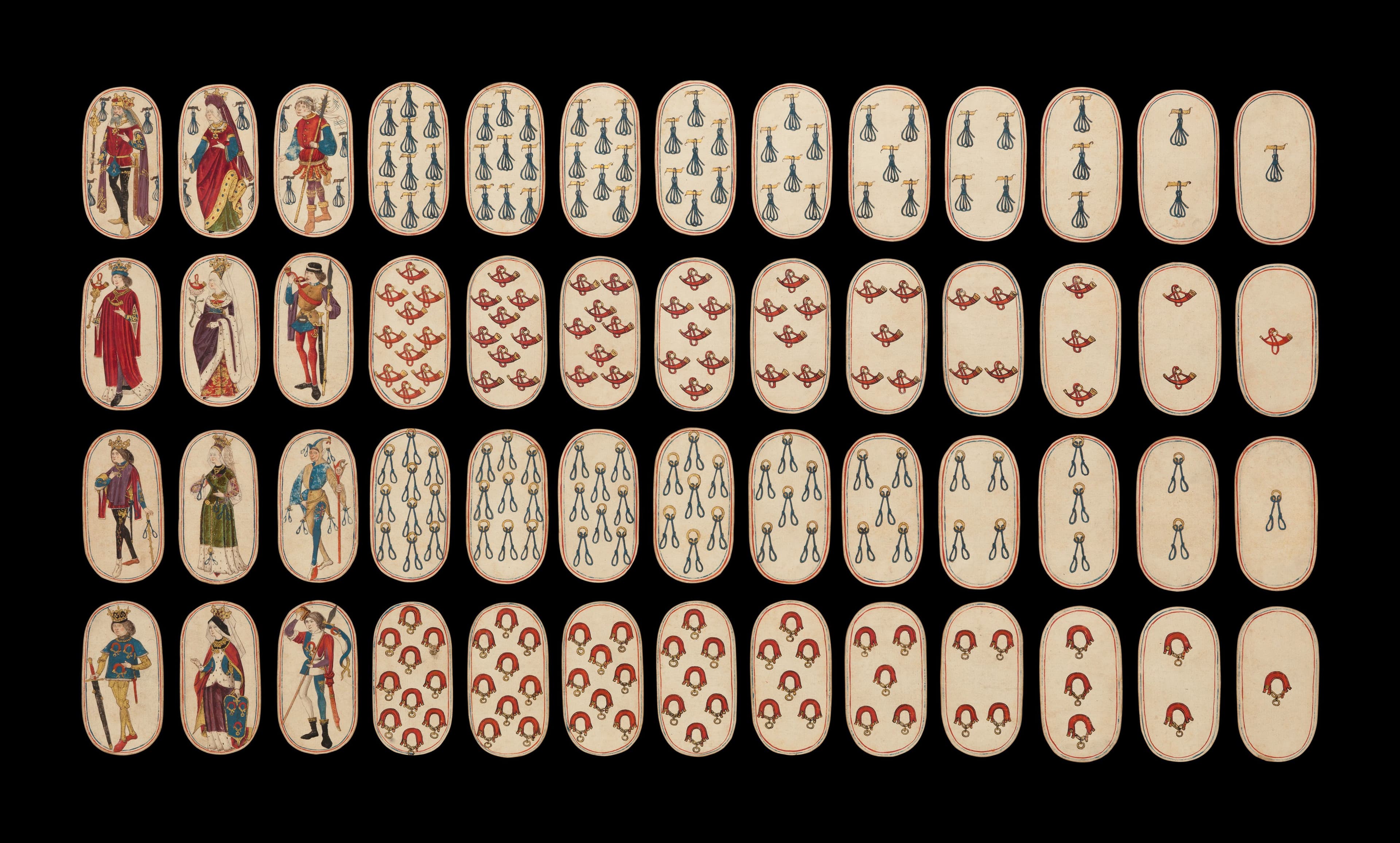
In March 2023, Sotheby’s London sold a complete set of Pokémon trading cards for £230,000. This sale signals a shift in how the art market values cultural artifacts. Less than a month later, a limited-edition Marc Newson Eames chair, commissioned by the Eames Office and distributed exclusively at a Tokyo pop-up, hammered for ¥18,000,000 at Phillips in Hong Kong.
"The category of ‘collectibles’ is no longer peripheral," says Dr. Olubukola Adeshina, a lecturer in material culture at the University of Lagos. Adeshina emphasizes the crossover between mass-market objects and the exclusive world of gallery art. "The boundaries are dissolving, and that’s not just an aesthetic shift—it’s an economic one."
Auction houses now dedicate space to what was once considered ephemera. Christie’s 2022 Handbags x Hype sale exemplifies this trend, featuring streetwear collaborations from Louis Vuitton x Supreme alongside Hermès Birkins. Final prices exceeded estimates by up to 70 percent. According to Christie’s post-sale report, 33% of bidders were first-time participants in any art market auction. This influx of new buyers underscores collectibles’ role as an entry point for younger collectors.
How do these items accrue value in a market traditionally governed by exclusivity? Narratives constructed around them play a crucial role. "It’s about cultural resonance," says Ayo Fadeyi, founder of Lagos-based design consultancy Studio 1860. Fadeyi recently collaborated with Nigerian artist Peju Alatise on bespoke stools, each incorporating woven elements inspired by Yoruba basketry. The stools were marketed as collectible art objects. "When we tied the design to a broader cultural story, demand increased," Fadeyi explains. The stools sold out within days of their exhibition at Art X Lagos 2023.
The digital realm also reshapes perceptions of value. Platforms like StockX and OpenSea position collectibles as investments and cultural symbols. Beyoncé’s Renaissance Tour limited-edition vinyls, sold exclusively online, resurface weeks later at triple the original price on secondary markets. Artists like Trevor Andrew (“Gucci Ghost”) and Daniel Arsham use social media to amplify their collaborations with global brands, ensuring both scarcity and desirability.
Critics warn against conflating hype with artistic merit. Art historian Dr. Rita Wang argues that the speculative nature of collectibles risks undermining the art world’s credibility. "When value is determined by the whims of the market rather than sustained critical engagement, we lose something essential," Wang says. She cites Beeple’s NFT Everydays: The First 5000 Days, which sold for $69 million in 2021 but has since lost its cultural cachet. "We need to ask: are we buying art, or are we buying status?"
For others, the rise of collectibles represents a democratization of art. Stephanie Doucet, a Paris-based curator, sees potential in how collectibles introduce new audiences to design and art. "These objects often serve as a gateway," she says. Doucet recently curated Pop Object/Art Object at the Centre Pompidou, juxtaposing Jeff Koons sculptures with rare sneaker collaborations by Virgil Abloh. "Bridging the gap between popular culture and fine art enables fresh conversations—if we approach it responsibly."
In Lagos, this interplay between accessibility and exclusivity mirrors the city’s broader design landscape. At Alára, the high-concept store on Victoria Island, limited-edition pieces by local artisans sit alongside global luxury brands. Owner Reni Folawiyo describes this curation as intentional. "We want to challenge the assumption that African design is only about tradition," she explains. "When a hand-carved table by Niyi Adewole is displayed next to a collectible Balenciaga clutch, it allows for a new kind of dialogue." Prices in Alára range from ₦150,000 for small objects to over ₦5,000,000 for larger works, reflecting the spectrum of audience engagement.
Where does this leave traditional markers of value—provenance, craftsmanship, rarity? Adeshina suggests they remain relevant but mutable. "What’s happening is not the erasure of old hierarchies but their transformation," she says. "Craftsmanship still matters, but so does cultural timing. Provenance counts, but now it includes the history of who collected, who posted, who wore."
This recalibration has significant implications for the art market’s future. Auction houses, galleries, and collectors must adapt to a landscape where the lines between high and low, functional and ornamental, ephemeral and enduring blur. For skeptics, it’s a destabilizing moment; for optimists, a generative one. The rise of collectibles signals a profound shift in how art, design, and culture intersect in the 21st century.
- Sotheby’s March 2023 Auction Results — Sotheby’s
- Marc Newson Chair Auction Listing — Phillips
- Christie's Handbags x Hype Auction — Christie's
- Art X Lagos Official Site — Art X Lagos
- Centre Pompidou Exhibitions — Centre Pompidou

The Climate Biennial: Art as a Compass in an Uncertain World
Amanda Masha Caminals, curator of the inaugural Climate Biennial, discusses how artists are addressing the complexities of climate uncertainty, urging viewers to rethink agency and responsibility.

Vermeer’s Quiet Echo: Tracing His Influence Across Centuries
Through exhibitions and reinterpretations, Vermeer’s legacy illuminates the enduring dialogue between historical art and modern creativity.

Raven Chacon and the Resonance of Indigenous Voices in Contemporary Art
Through installations and performances, Raven Chacon amplifies Indigenous identities in urban art contexts, challenging dominant narratives.