
Leadership Transitions at Buffalo AKG Signal a Shift in Museum Priorities
The Buffalo AKG Art Museum's recent leadership changes reflect an increasing emphasis on diversity and community-oriented direction, part of a broader trend across cultural institutions.
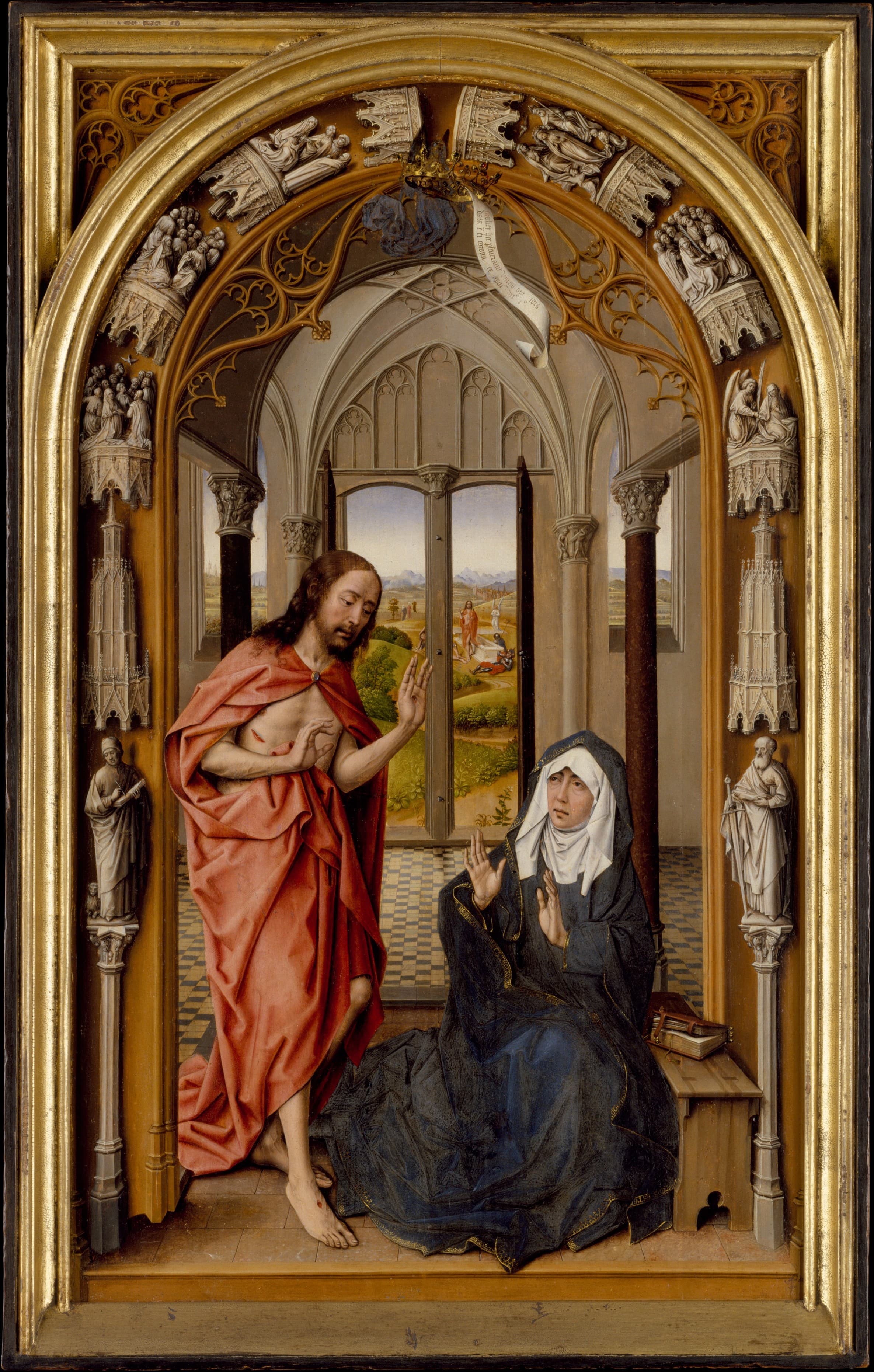
In September 2023, the Buffalo AKG Art Museum announced leadership changes to enhance inclusivity and community responsiveness. Formerly the Albright-Knox Art Gallery, the museum recently reopened after a $230 million expansion, featuring a new building by Renzo Piano. This physical transformation aligns with a shift in organizational priorities. The appointment of Dr. Janne Sirén’s successor aims to amplify diverse voices and innovative community engagement strategies.
The museum’s evolution reflects a broader reassessment in the museum sector. Institutions across the U.S. are responding to demands for equity and diversity in collections and staffing. Dr. Porchia Moore, a museum studies scholar at the University of Florida, stated, “Museums are finally understanding that their leadership needs to reflect the demographics of their audiences.” She added, “Token gestures no longer suffice.”
Boards of trustees, historically insular, face increased scrutiny. The Buffalo AKG’s board has committed to improving representation in governance and programming. A 2022 Mellon Foundation report showed that 36% of museum leadership positions nationwide were held by people of color, up from 20% in 2015. However, the Buffalo AKG has not disclosed its current diversity statistics.
Challenges persist for institutions like the Buffalo AKG. Despite its $125 million endowment, critics question the focus on large-scale projects over community programming. Local artist collectives expressed frustration in 2018 over transparency issues and lack of meaningful inclusion in shaping cultural priorities during the museum’s rebranding. As of 2023, some grievances remain, revealing a tension between institutional ambition and grassroots dynamics.
Concrete steps to address these concerns are emerging. In August 2023, the museum launched a collaborative initiative with Buffalo Public Schools to integrate art education into underserved schools. The pilot program includes curriculum guides that draw from both the museum’s collection and local histories. David Workman, a museum educator involved in the project, emphasized, “It’s about listening first and curating second. Our goal is co-creation, not top-down programming.” Whether these initiatives represent a genuine shift or mere stop-gap measures remains uncertain.
The Buffalo AKG is not alone in this balancing act. Nationally, leadership changes highlight the stakes of aligning institutional missions with contemporary cultural expectations. The appointment of Dr. Asma Naeem as director of the Baltimore Museum of Art in early 2023 was seen as a win for progressive governance. Under Naeem’s leadership, the BMA has committed to acquiring works exclusively by women and artists of color for a full year, reshaping its collection practices. Similarly, the Cleveland Museum of Art’s 2022 hiring of Sonia Winner as director raised expectations for broadening equity in acquisitions.
Even with these transitions, some critics caution against overgeneralizing the impact of leadership alone. Institutions often remain tied to entrenched funding models and donor priorities that resist systemic change. Kimberly Drew noted in a recent Artforum essay, “Leadership changes are symbolic only when backed by material shifts in power structures.” Drew’s insight serves as a reminder that names and faces alone do not dismantle historical inequities.
The Buffalo AKG stands at an inflection point. Its new Jeffrey E. Gundlach Building, named after its largest donor, has been celebrated as an architectural marvel. Yet, as leadership transitions signal new priorities, the museum must navigate the tension between maintaining a global art profile and embedding itself within the cultural fabric of Buffalo.
The next twelve months will be crucial. The museum is expected to announce its new director by mid-2024, and observers will seek evidence of meaningful policy changes post-transition. Will the Buffalo AKG’s programming and acquisitions reflect a deeper commitment to community involvement? Or will it continue to mirror a donor-oriented model? These questions will shape the institution’s legacy and set precedents for other mid-sized museums charting new paths.
As the cultural sector recalibrates after pandemic disruptions, the Buffalo AKG Art Museum’s leadership shifts illustrate the challenges and opportunities faced by contemporary cultural institutions. For museums of its scale, a willingness to experiment with governance and community engagement may determine their relevance and survival in an ever-changing landscape.
- Buffalo AKG Art Museum Official Website — Buffalo AKG Art Museum
- Museums Are Changing How They Approach Diversity — Mellon Foundation
- Kimberly Drew on Power Structures in Museums — Artforum
- The Baltimore Museum of Art Leadership Announcement — Baltimore Museum of Art
- Cleveland Museum of Art Announces New Director — Cleveland Museum of Art
Evolving Spaces: Museums and Their Place in Modern Society
From community partnerships to activist programming, museums are rethinking their role in response to social and political shifts.
Art and Activism: How Museums are Shaping Social Change
Cultural institutions are reframing their traditional roles, using art as a lens and catalyst for addressing societal challenges.
Redefining Museums: Accessibility and Engagement in the 21st Century
From tactile tours to street art festivals, museums today are rethinking their role in communities by prioritizing accessibility and fostering deeper connections with the public.