
Museums as Custodians of Cultural Memory: Recent Discoveries and Exhibitions
From restitutions to groundbreaking exhibitions, museums shape conversations on cultural identity and historical preservation in 2023.
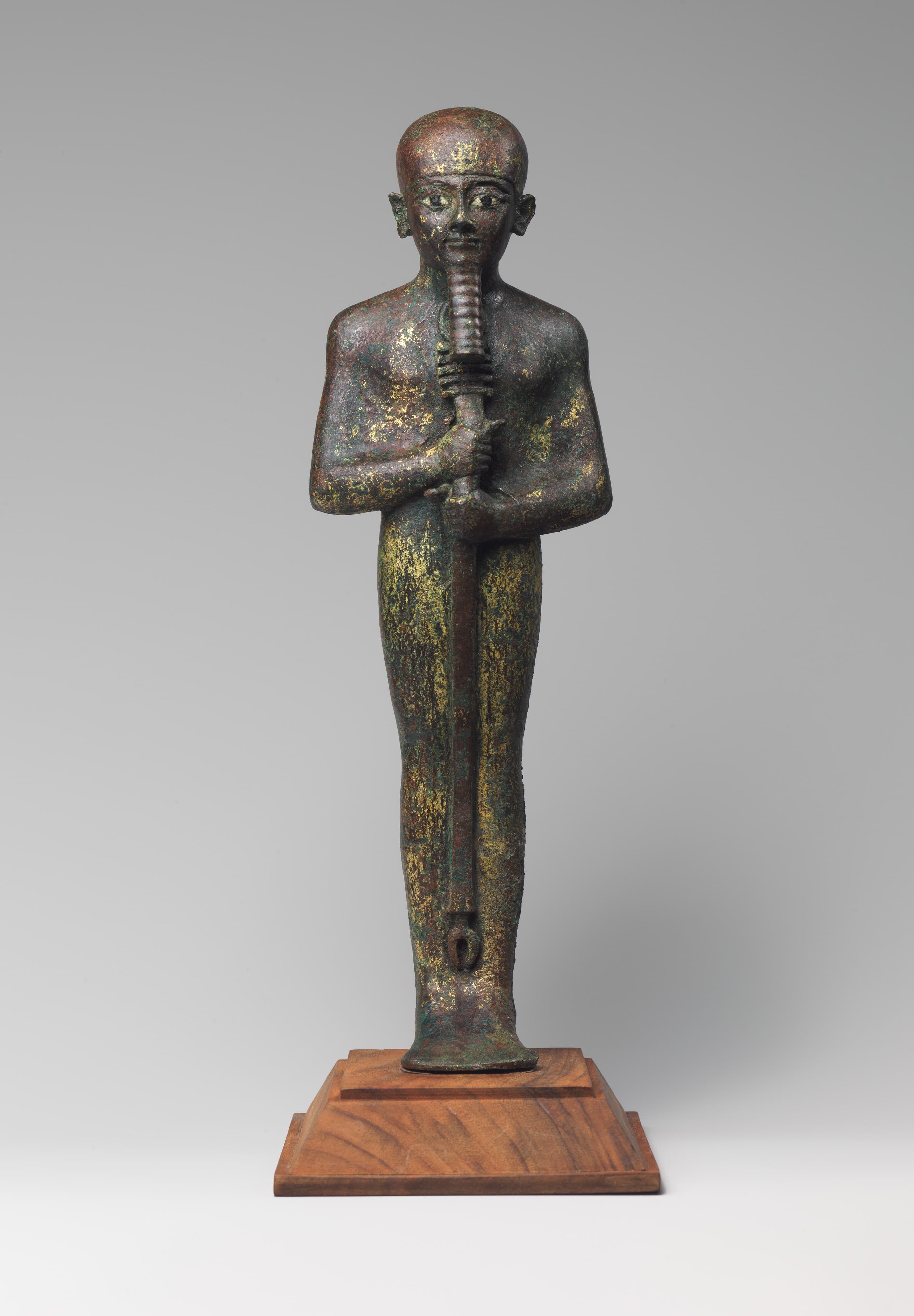
The British Museum’s Sutton Hoo gallery reopened in September after a £4.6 million renovation, sparking renewed interest in a pivotal archaeological find. Discovered in 1939 beneath 1,400 years of Suffolk soil, the Sutton Hoo burial hoard includes a ceremonial Anglo-Saxon helmet, weaponry, and Byzantine silverware. These artifacts, showcased with modern conservation methods and interpretive technologies, emphasize museums' roles in artifact preservation and narrative interpretation for diverse audiences.
The British Museum's choice to present Sutton Hoo within broader European and global contexts reflects a shift in museum curation. Artifacts are no longer viewed as static relics; they are placed within narratives that explore migration, trade, and cross-cultural exchange. Dr. Sue Brunning, curator of the Early Medieval Collections, stated, “These objects reveal a world of connections, not isolation. The Sutton Hoo site is as much about shared histories across continents as it is about early English identity.” This focus on interconnected histories aligns with global museum efforts to foster complex cultural dialogues.
Across the Atlantic, the Smithsonian National Museum of African American History and Culture showcases similar strategies in its exhibition Afrofuturism: A History of Black Futures. Opening in March 2023, it features over 100 objects, including Sun Ra’s synthesizer and costumes from Black Panther. By juxtaposing traditional artifacts with contemporary cultural production, the Smithsonian invites audiences to rethink technological and artistic innovation as central to cultural heritage. The museum actively participates in defining and transforming cultural narratives.
However, these exhibitions also reveal contentious debates about provenance and restitution. Museums face mounting pressure to clarify how objects entered their collections. The Humboldt Forum in Berlin reopened its Benin Bronzes gallery in June 2023, but the event sparked backlash. Germany returned 20 bronzes to Nigeria in December 2022, part of a broader repatriation agreement. Yet, over 400 remain in German collections, leading critics to argue that incomplete returns sustain colonial hierarchies. Bénédicte Savoy, a restitution scholar, wrote in The Art Newspaper, “Partial restitutions satisfy institutional needs for positive press while leaving the systems that enabled looting intact.”
Both the Humboldt Forum and the British Museum face calls for transparency regarding their collections’ acquisition histories. The British Museum, whose own Benin Bronzes have not been officially returned, announced a digital restitution database set to debut in late 2024. This tool will allow researchers and the public to trace the histories of contested objects. Whether this transparency leads to restitution remains uncertain.
Despite these challenges, museums engage the public around cultural heritage. Attendance figures underscore this appeal. The Louvre’s blockbuster 2023 exhibition Napoleon and Egypt drew over 1.8 million visitors, demonstrating public interest in the intersections of art, politics, and history. Similarly, the Rijksmuseum in Amsterdam extended its Vermeer exhibition through September after selling out tickets within weeks of its February opening. These numbers reflect a collective hunger for connection to shared histories, however contested.
Yet, the future of museums as cultural custodians is uncertain. Funding cuts, climate challenges, and digital disruptions threaten their ability to maintain collections and produce high-caliber exhibitions. In August 2023, UNESCO warned that rising temperatures pose unprecedented risks to museum collections, particularly in regions lacking climate control infrastructure. The report cited the destruction of a 4,000-year-old cuneiform tablet in a regional Iraqi museum as a sobering example of potential loss.
As institutions grapple with these crises, partnerships between museums, governments, and local communities are becoming critical. In Cambodia, the National Museum in Phnom Penh announced a joint project with the École Française d’Extrême-Orient to digitize Khmer artifacts before 2025. Supported by a €3 million grant from the European Union, the initiative aims to create a comprehensive online database accessible to scholars and the public. Digital tools like this can democratize access to cultural heritage while safeguarding fragile objects from environmental threats.
Through careful stewardship and bold reimaginings, museums remain essential to cultural preservation. “It’s not just about objects,” said Clifford Murphy, director of Folk and Traditional Arts at the National Endowment for the Arts. “It’s about preserving the stories, practices, and worldviews of communities and ensuring they’re not just remembered but understood in context.” This observation encapsulates the broader challenge for museums today: balancing the preservation of tangible artifacts with the need to engage meaningfully in contemporary cultural conversations.
Exhibitions like Afrofuturism and the Sutton Hoo gallery remind us that museums connect past, present, and future. Whether they can meet the ethical and logistical challenges of the 21st century will determine their relevance. Visitors to the British Museum, the Smithsonian, and beyond receive mirrors reflecting their place within history.
- Sutton Hoo and Europe, 300–1100 — British Museum
- Afrofuturism: A History of Black Futures — Smithsonian National Museum of African American History and Culture
- Museum Resilience in the Face of Climate Change — UNESCO
- The Benin Bronzes — Humboldt Forum
- Restitution and the Future of Museums — Perspective: actualité en histoire de l’art
Beyond the Walls: Museums as Engines of Community Engagement
Cultural institutions are transforming from repositories of objects to active civic players, redefining their roles in diverse communities.
Reinterpreting the Past: Historical Narratives in Contemporary Exhibitions
Modern museums and galleries like Borusan Contemporary reshape historical narratives to engage contemporary art, creating frameworks that juxtapose tradition and innovation.
From Containers to Conduits: The Evolution of Contemporary Exhibition Spaces
MALBA and others are transforming museum spaces into dynamic arenas for community interaction and dialogue, redefining the role of cultural institutions in the 21st century.