
Navigating New Landscapes: The Future of Art Markets
As technology redefines access and economic shifts unsettle traditions, the art market adapts—reshaping the roles of artists, collectors, and platforms alike.
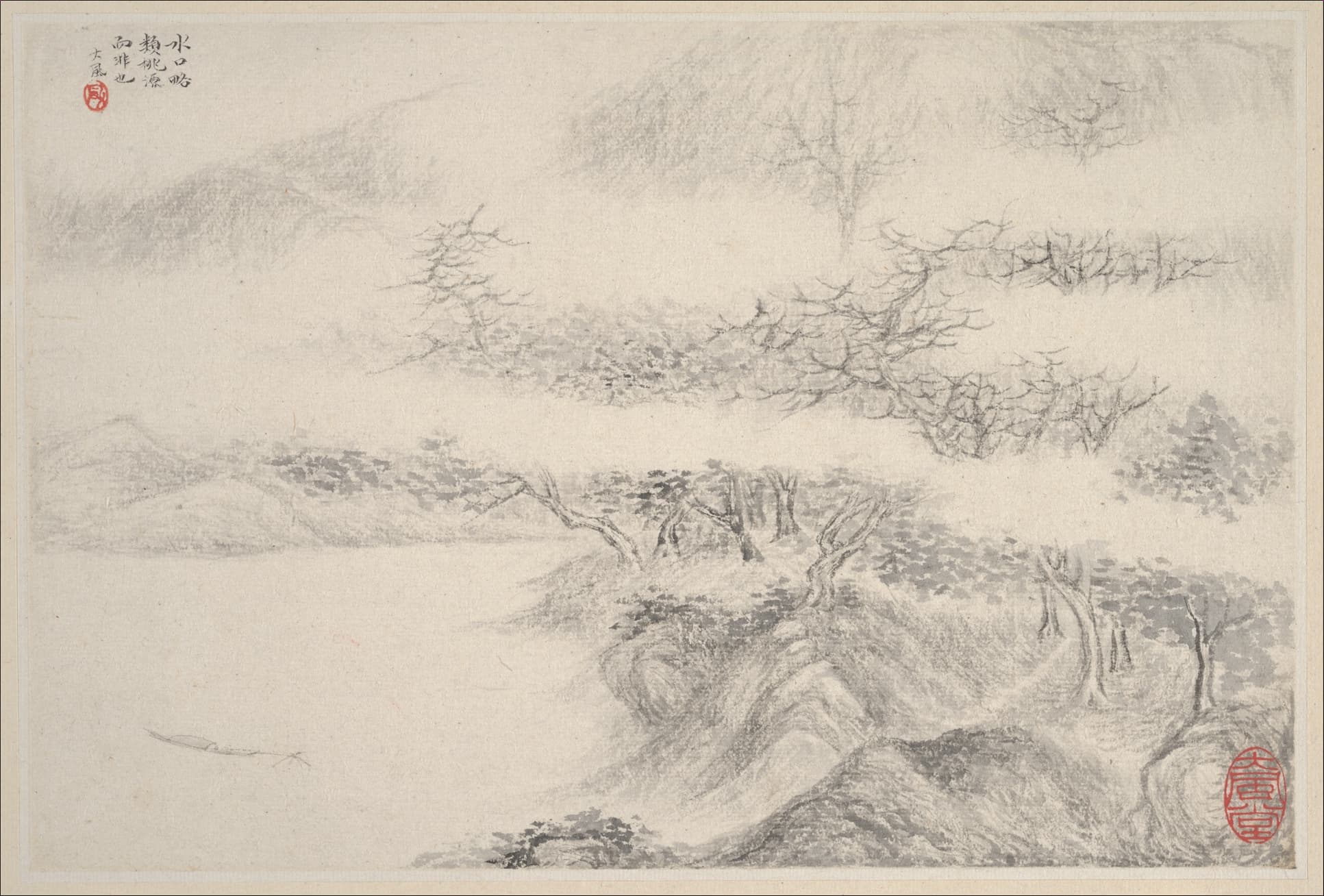
In May 2023, Sotheby’s New York auctioned Gustav Klimt’s Insel im Attersee for $53.2 million. This painting, awash in dappled blues, had not appeared on the market for decades. Its sale exemplified the intersection of scarcity and digital reach, reflecting changing collector priorities.
Emerging platforms are reshaping the market. The blockchain-based auction house SuperRare, launched in 2018, reported that secondary market sales surpassed initial auctions for digital works for the first time in 2022. Major institutions, such as the Uffizi Galleries, are digitizing portions of their collections for fractional sale, as seen in their 2021 NFT reproduction of Michelangelo's Doni Tondo. The art market now encompasses both tangible and digital objects.
Economic pressures intensify these shifts. The 2022 UBS Art Market Report revealed that millennial collectors accounted for 56% of high-value purchases globally, despite economic volatility. Unlike previous generations, these collectors prefer online research to gallery visits and are influenced by social media visibility. Online-only studios, like London’s Unit Drops, adapt to this demographic's focus on contemporary artists.
Technology and emerging demographics alter valuation norms. Dr. Clare McAndrew, cultural economist and author of the UBS report, stated, "While transparency has improved in certain segments thanks to online platforms, we also see widening stratification. The ultra-high end inflates due to its trophy value, while other categories struggle to maintain historical pricing patterns." She highlights a bifurcated market, illustrated by Christie’s investments in augmented reality experiences alongside declining mid-tier gallery footfalls.
Auction houses are evolving as intermediaries. Phillips’ hybrid auction models, combining in-person and livestream bidding, achieved $1.2 billion in 2022—a record for the firm. While physical previews anchor high-value lots, livestreaming extends access to previously excluded geographies, particularly in Asia. ArtTactic reported a 20% year-on-year increase in online transactions from Hong Kong buyers between 2021 and 2022.
Artists face both opportunities and constraints. Emerging platforms enable direct-to-collector sales, bypassing traditional gatekeepers but shifting the burden of market literacy onto creators. Berlin-based painter Omar El Ela remarked, "It feels like we’re running our own galleries. I host online previews, manage accounting, and negotiate with collectors directly. But it also means fewer cuts to intermediaries."
Platforms like Patreon and Ko-fi illustrate this shift toward subscription models, though they remain supplementary for most creators. In November 2023, the New Museum in New York held a panel at its IdeasCity conference to debate whether decentralization empowers or overwhelms artists.
Collectors navigate a recalibrated landscape. Digital tokens now verify authenticity for multimillion-dollar assets, replacing traditional provenance methods. However, reliance on digital mechanisms introduces vulnerabilities: cybersecurity threats, fluctuating valuations tied to cryptocurrency markets, and legal ambiguities over intellectual property. After Beeple’s Everydays sold at Christie’s in 2021, questions about the long-term value of NFTs arose, although notable collectors like Justin Sun continue to champion the format.
This transformation reshapes the concept of collecting. In a hybrid market, collectors increasingly resemble investors, guided by metrics and algorithms rather than taste. Institutions also feel the effects; the Getty Museum’s 2023 acquisition of a significant Manet etching through crowd-sourced funding marked a departure from traditional patronage. However, such models highlight institutional precarity amid rising acquisition costs.
Looking ahead, the question of access is crucial. Will new models create a more inclusive market or merely reconfigure exclusivity? While digital platforms globalize commerce, a stark infrastructural gap remains between tech-savvy collectors and those without access. Environmental concerns tied to blockchain operations further complicate claims of inherent benefits from decentralization.
The art market reflects its times. Just as the 1980s boom turned Basquiat into a cultural icon, today’s trends intertwine with broader societal currents: technological acceleration, economic inequities, and shifting cultural priorities. What remains constant is the art object itself—its ability to provoke, challenge, and endure beyond the mechanisms of exchange.
- Modern Evening Auction Results May 2023 — Sotheby’s
- UBS Art Market Report 2022 — UBS
- Art Market Trends Report 2022 — ArtTactic
- IdeasCity 2023 Program — New Museum
- SuperRare Platform Overview — SuperRare

Print or Pixel: The Future of Art Magazines in a Digital Age
As digital platforms dominate, art magazines confront the precarities of print, questioning how criticism and discourse might evolve to engage broader, global audiences.

Echoes of Influence: How René Magritte and James Ensor Shape Contemporary Art
Recent retrospectives of Magritte and Ensor highlight their impact on contemporary art practices, revealing how artists engage with past movements to forge new dialogues.

The Cultural Tectonics of Contemporary Art: From Lee Bul to Mala Iqbal
Artists Lee Bul and Mala Iqbal are reshaping artistic expression and challenging societal perceptions of pressing issues.