
Public Art: Bridging Communities Through Shared Spaces
This autumn, public art installations across the U.S. transform plazas, parks, and streetscapes into sites of cultural dialogue, fostering connections in shared environments.
In October, Chicago’s Pilsen neighborhood unveiled Somos Pilsen, a mural spanning over 3,000 square feet on the Casa Aztlán community center. Local artist Sam Kirk painted it to celebrate the neighborhood’s cultural heritage and highlight the erasure of Latino communities from urban spaces. Kirk described the work as "a love letter to Pilsen’s resilience." This mural exemplifies public art initiatives this fall that foreground community histories in shared spaces.
In Phoenix, Janet Echelman’s Canopy installation shades Civic Space Park downtown. This monumental netted sculpture responds to environmental data, such as wind currents and heat patterns. At night, its integrated lighting transforms it into an evolving spectacle. Echelman’s work blends aesthetics with function, providing respite from the desert sun while prompting reflections on climate adaptation and urban design.
Public art serves as a medium for community engagement. In San Francisco, Lava Thomas: Requiem for Charleston examines the enduring impact of racial violence in America. Composed of mirrored stainless steel discs engraved with the names of the Emanuel Nine, Thomas’s work invites viewers into a meditative encounter with memory. A spokesperson for the Center remarked that the site-specificity—outside a cultural institution but accessible to all—was central to its commission.
The themes of accessibility and conversation in public art are evolving. Urban spaces face gentrification, climate challenges, and political divides, raising the stakes of these works. Jennifer McGregor, a public art curator at Wave Hill in New York, noted at a recent panel discussion: "Public art today is less about monumentalism and more about connecting to the lived experiences of people walking by or living near."
This dynamic is illustrated by the Wishing Trees Project, touring the Midwest. Created by Mingwei Lee in collaboration with local schools, each tree invites the public to write and hang their wishes on biodegradable tags. This process transforms the trees into temporary archives of collective hope, dissolving over time as part of the natural landscape. Lee’s practice aligns with trends toward participatory public art.
Cities are investing significantly in public art for community cohesion. Minneapolis allocated $3.6 million this year to its Art in Public Places program, a nearly 20% increase from 2022. This initiative commissions artists for projects like Light Rail Narratives, installations along metro routes that narrate local histories through sound and sculpture.
However, questions remain about who defines “community” in public art. The recent controversy surrounding The Embrace by Hank Willis Thomas—a sculpture on the Boston Common—underscores this tension. Inspired by a photograph of Martin Luther King Jr. and Coretta Scott King, the abstract bronze work faced criticism for lacking representational clarity. Others argued its innovative design challenged traditional expectations of commemorative art. Despite divided opinions, the piece has sparked important dialogue, arguably the fundamental goal of public art.
As public art gains prominence, it faces challenges of commodification and tokenism. Critics caution against cities using these projects as superficial remedies for deeper structural issues. Art historian Sarah Lewis warned at the 2023 Creative Cities Summit: "Public art cannot be a substitute for affordable housing or equitable urban planning. It must exist alongside those efforts, in conversation with them."
Despite critiques, this fall’s installations emphasize community-centered practices that foster shared understanding. In Washington, D.C., the StoryLine project by Ghanaian artist Ibrahim Mahama weaves textiles from local residents with historical materials from the region. Installed along the Potomac River, it juxtaposes personal and national narratives, creating a space for reflection on migration, identity, and place.
Public art reimagines the familiar. Whether it’s a mural that speaks to local struggles, a canopy interpreting environmental data, or a participatory tree, these works invite people to see their surroundings—and their neighbors—differently. As Pilsen resident Maria Gonzalez commented after the unveiling of Somos Pilsen: "For the first time, I feel like this wall is talking to me." Her words capture the power of this moment in public art, transforming connections within communities.
- Casa Aztlán Community Center — Casa Aztlán
- Yerba Buena Center for the Arts — Yerba Buena Center for the Arts
- Creative Cities Summit 2023 — Creative Cities Summit
- Phoenix Public Art Program — Phoenix Office of Arts and Culture
- Wave Hill — Wave Hill
Changing Landscapes: Jesus Mari Lazkano’s Art in an Ecological Frame
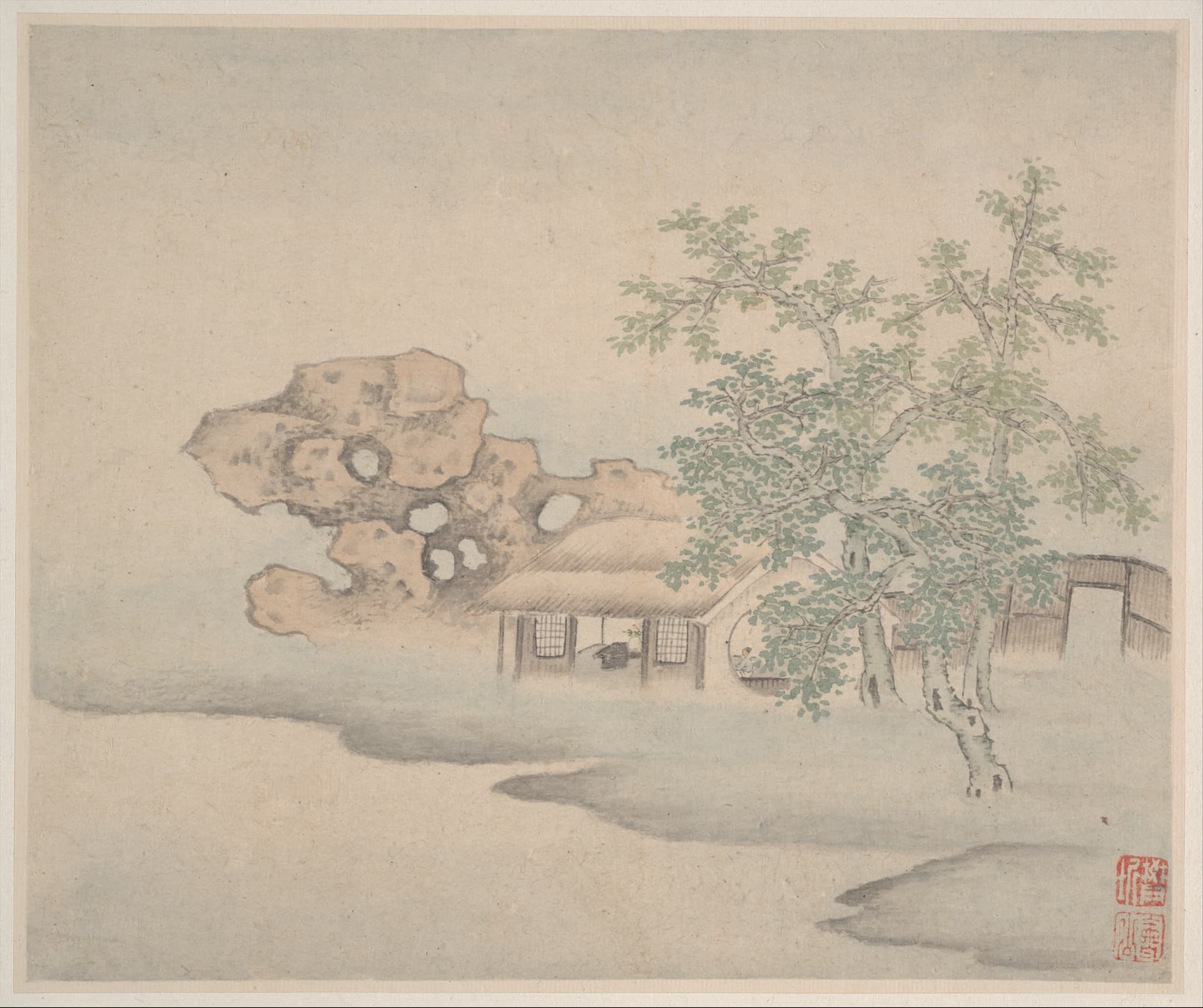
Spanish artist Jesus Mari Lazkano uses both canvas and screen to interrogate humanity’s footprint on the natural world, blending traditional landscape painting with animation to deepen our ecological dialogue.
The Studio as Archive: Contemporary Black Artists Reshaping Cultural Narratives
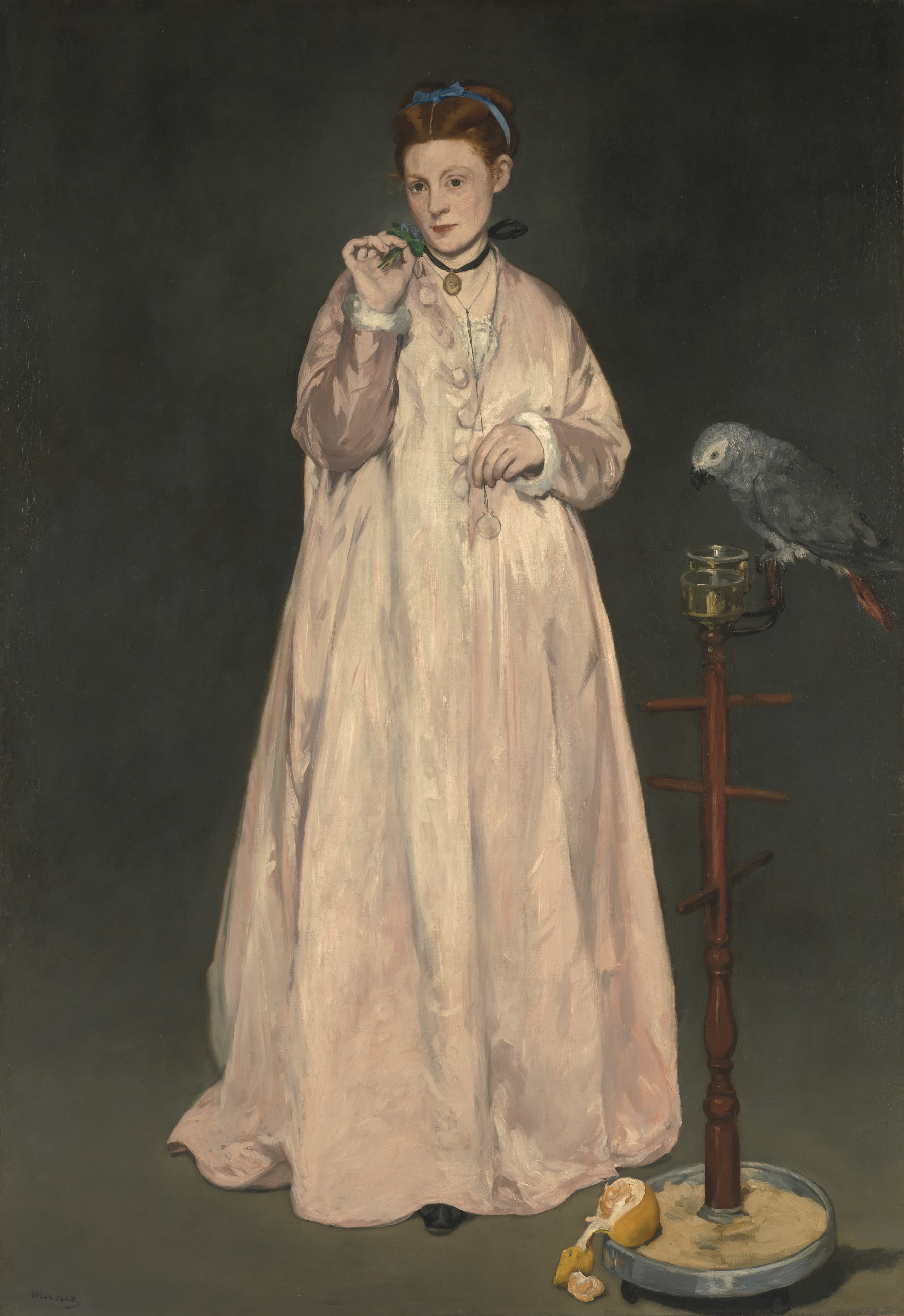
A new exhibition foregrounds the studios and practices of Black contemporary artists, presenting their work as both personal testimony and cultural intervention.
Weaving Legacy: Liang Shaoji and the Art of Silkworms
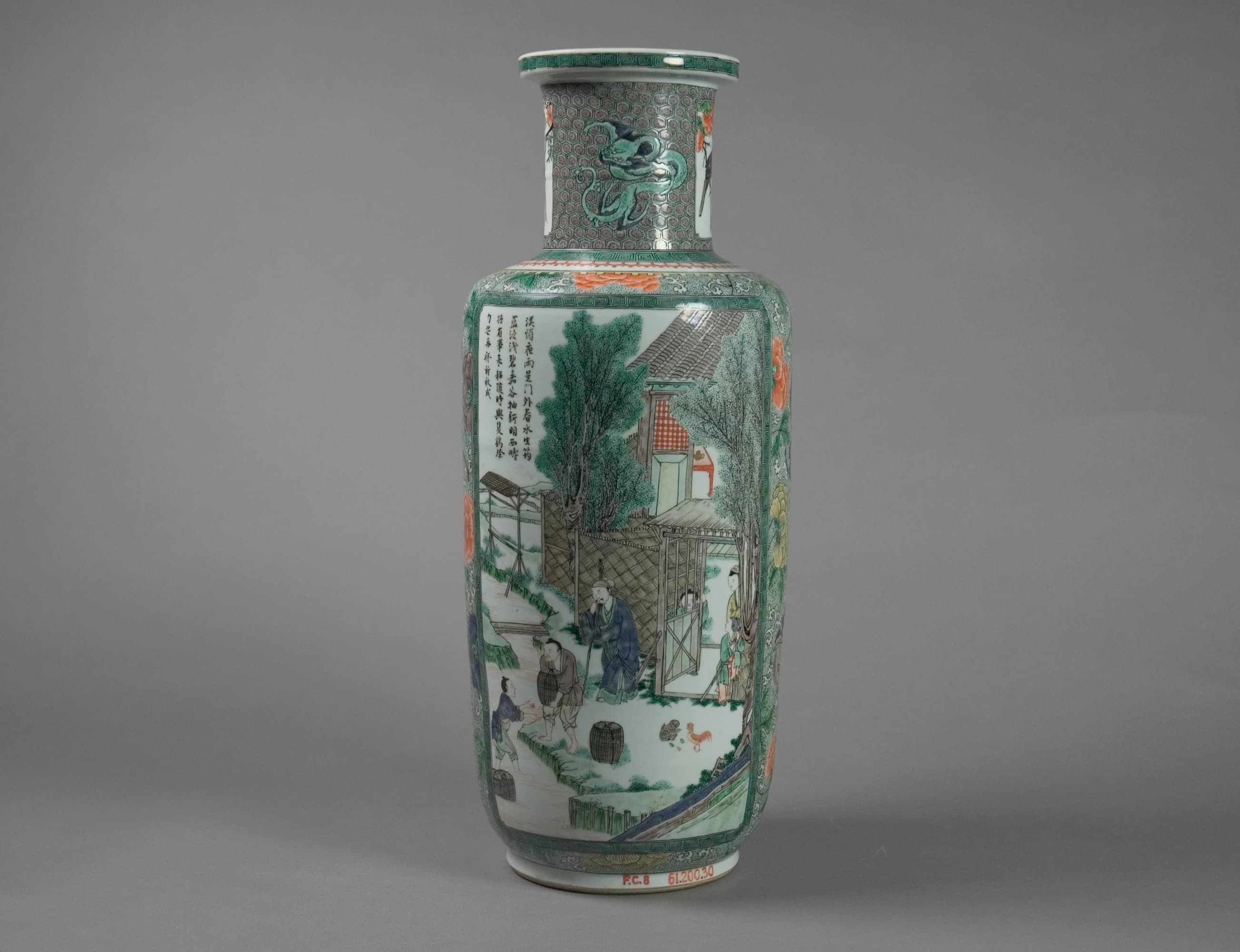
Liang Shaoji, whose death was announced last month, transformed silk thread into a line between nature and art. His practice illuminates the silkworm not as a motif but as a collaborator, reframing authorship itself.