
Radhika Chitalia and the Passport as a Vessel for Memory
Radhika Chitalia transforms her late father's passport into a tactile record of loss, reframing its pages as carriers of grief and remembrance.
Radhika Chitalia’s father’s passport expired in 2018. Five years later, the Mumbai-based artist has transformed its pages into a canvas, embedding the document with layers of clay, paper pulp, and gold leaf. For Chitalia, the passport is both an artifact and a metaphor for absence.
Her ongoing series, _Margins of Loss_, reinterprets objects tied to personal memory. The passport appears fragmented—pages removed, reassembled, or embedded in translucent resin. “I wanted to take something functional and make it visceral,” Chitalia explained. This act embodies destruction alongside preservation.
Chitalia embraces incompleteness. Edges remain uneven; stamps from authorities are obscured yet traceable. In one piece, fine porcelain clay is pressed into the creases of the paper—a deliberate choice to “preserve the touch history.” These traces evoke a sense of presence, an echo of the hands that once held the object.
Drawing on Indian customs surrounding death, Chitalia subverts tradition. In Hindu rituals, certain items belonging to the deceased are submerged in water as a symbolic release. Instead, she seals fragments in resin, locking them in permanence. Her work asks: What happens to memory when it endures rather than dissolves?
Dr. Priya Patel, a curator at the Chhatrapati Shivaji Maharaj Vastu Sangrahalaya in Mumbai, notes a shift in how grief is expressed in contemporary art. “Chitalia’s use of the passport reframes an administrative document as a deeply intimate object,” Patel argues. The institution acquired one of Chitalia’s resin-embedded works, reflecting their focus on historical artifacts.
The materials in _Margins of Loss_ carry significance. Porcelain clay, used in fine ceramics, is brittle yet luminous. Gold leaf, often found in religious iconography, adds a sacred dimension to otherwise mundane surfaces. Chitalia sources these materials from small workshops in Gujarat and Rajasthan, emphasizing collaboration with artisans.
Discussing the emotional toll of working with items tied to personal grief, Chitalia acknowledges the difficulty but also the necessity. “Art becomes a way to process what words cannot,” she writes. Her father’s handwriting, briefly visible in one piece before being obscured by layers of glaze, affirms this sentiment.
The series premiered at Chemould Prescott Road Gallery in March 2023. The gallery described the works as “poignant excavations,” a phrase some critics found reductive. The exhibition catalog emphasized memory as archaeology, a framing Chitalia resists. “This is not about digging for what was buried,” she clarifies. “It’s about holding what remains.”
Collectors have responded strongly to the work. At auction, pieces from _Margins of Loss_ fetched between ₹8 lakh and ₹12 lakh ($9,600–$14,500 USD), reflecting both technical skill and the resonance of themes—grief, memory, and the interplay of permanence and impermanence.
Chitalia plans to expand the series in 2024, incorporating textiles and handwritten letters from her family archive. This shift from passports to softer materials mirrors a broader transition in her work toward exploring the body as a vessel for memory. “The passport was the starting point,” she says. “But memory isn’t static. It evolves, sometimes unexpectedly.”
Her statement raises questions about how these explorations will evolve. Will paper, clay, and gold give way to new materials? Or will _Margins of Loss_ conclude, leaving Chitalia to begin anew with a different medium? For now, her father’s passport remains central—a point of departure and return.
- Margins of Loss exhibition page — Chemould Prescott Road Gallery
- Chhatrapati Shivaji Maharaj Vastu Sangrahalaya official site — Chhatrapati Shivaji Maharaj Vastu Sangrahalaya
- Pundole’s Auctions official site — Pundole’s Auctions
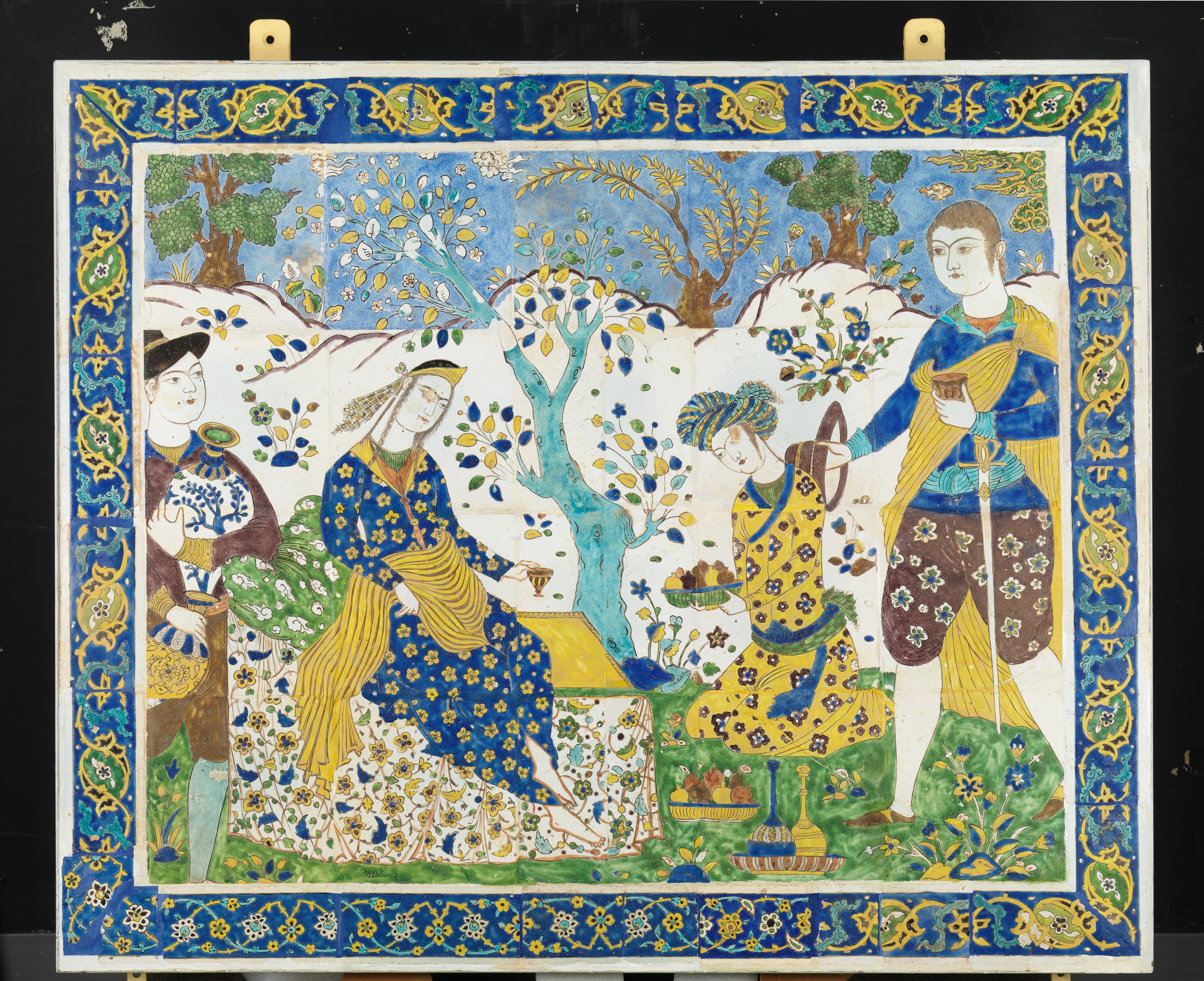
Craftsmanship Renewed: Traditional Techniques in Modern Design
In an era of mass production, contemporary designers are reasserting the importance of craftsmanship, merging time-honoured skills with modern aesthetics to create objects that resonate on personal and cultural levels.
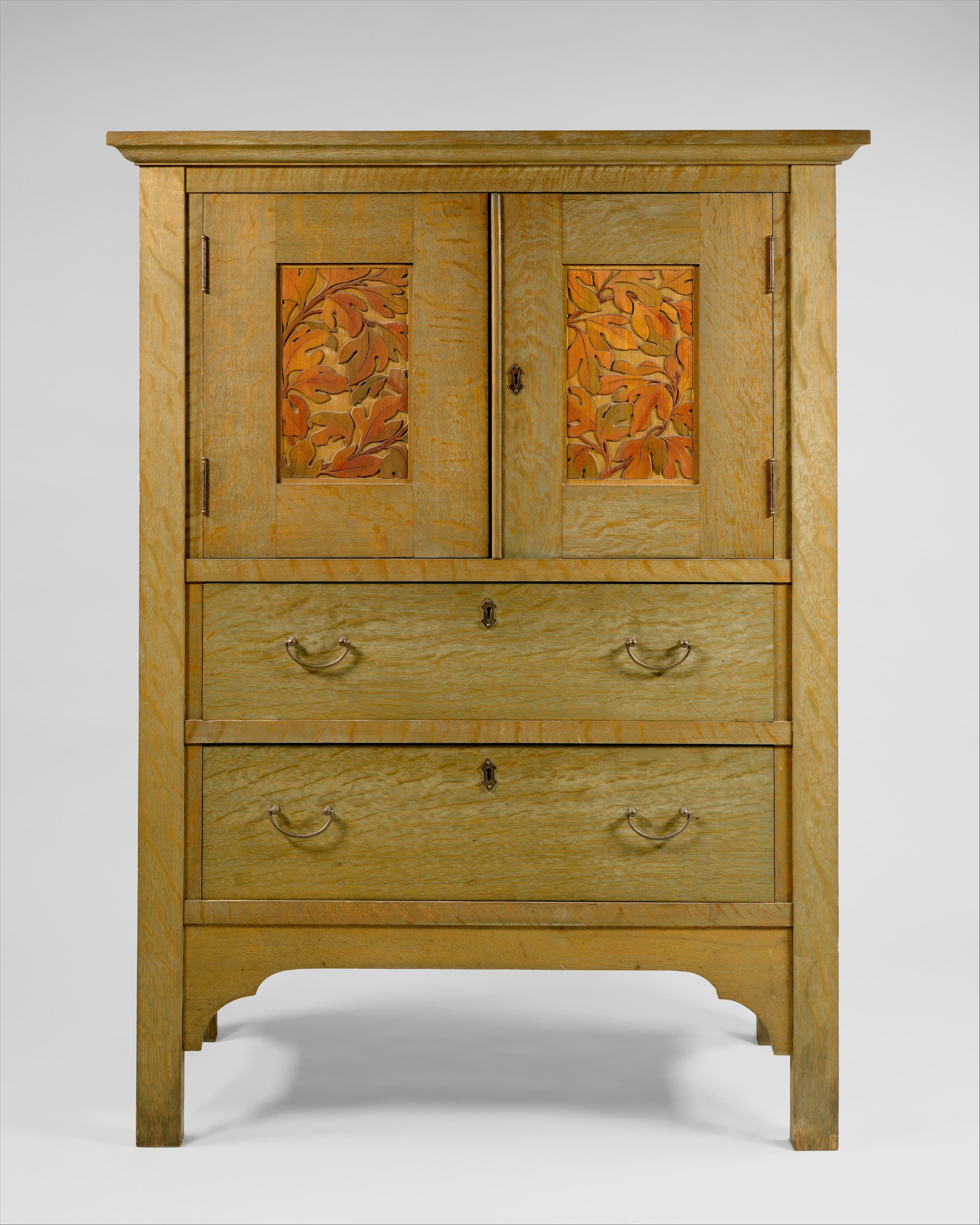
Crafting the Future: Innovations in Material Use and Design
Designers are pushing material boundaries while embracing sustainable crafts, offering a blueprint for future creative practices.
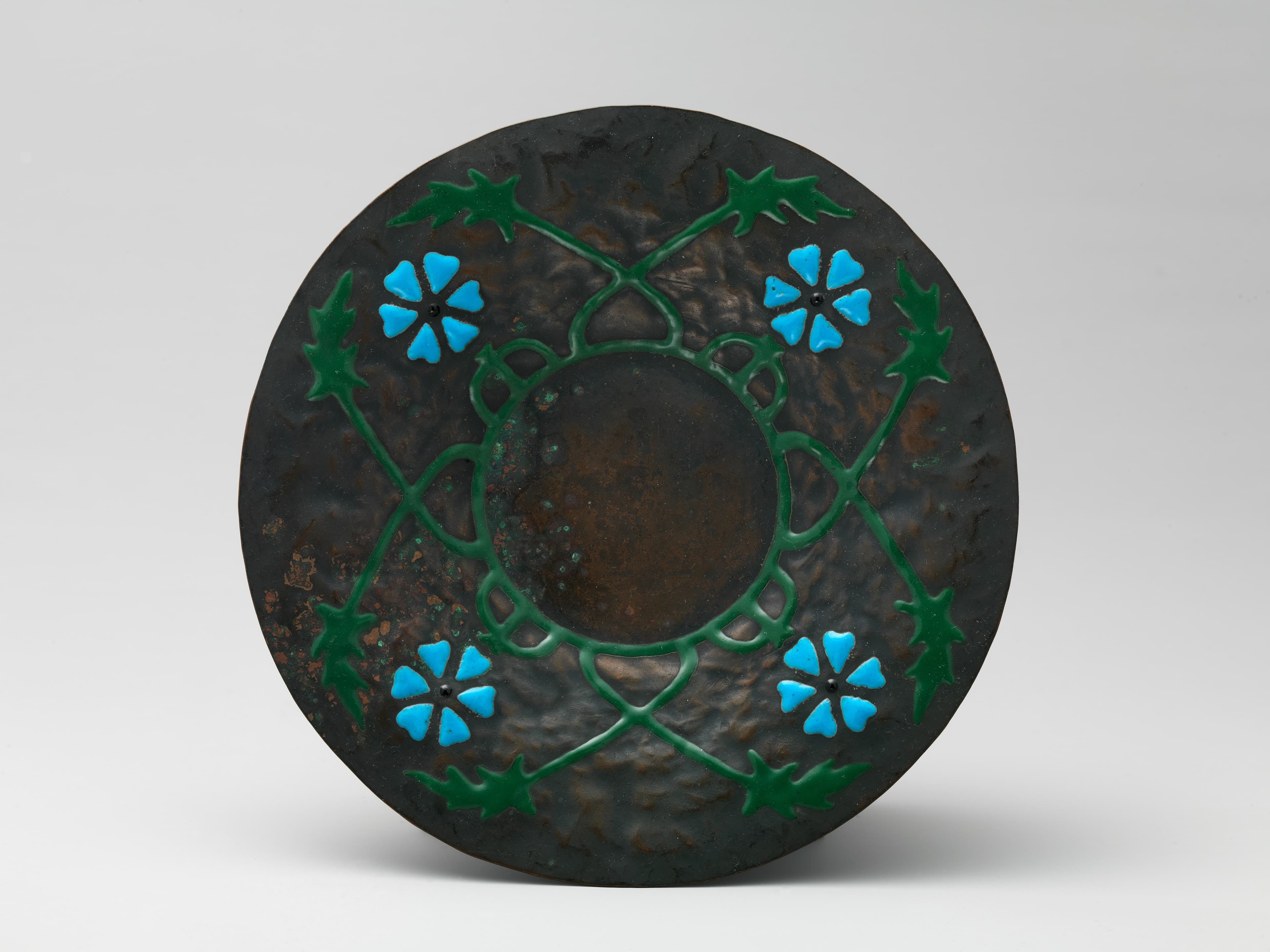
Crafting New Narratives: Traditional Techniques in Contemporary Art
Traditional techniques are shifting from preservation to innovation as contemporary artists use them to craft modern narratives.