
Redefining Museums: Accessibility and Engagement in the 21st Century
From tactile tours to street art festivals, museums today are rethinking their role in communities by prioritizing accessibility and fostering deeper connections with the public.
In late September 2023, Tokyo's Tennoz district buzzed with art during TENNOZ ART WEEK. Organized by the city's art collective and the Terrada Art Complex, the event showcased 'Art in Motion,' emphasizing accessibility through mobile installations for visually impaired audiences. While aimed at Tokyo residents, its impact reflects a global shift in museum operations.
For decades, museums faced criticism for elitism. Past accessibility efforts often amounted to token gestures, like a single wheelchair ramp. Recent controversies—such as exclusionary pricing at the Metropolitan Museum of Art—have compelled museums to rethink their obligations. As cultural shifts demand less gatekeeping, institutions are reshaping their identities.
A leading example is the Smithsonian Institution’s 2022 'Access Smithsonian' initiative, which formalized accessibility programs across its museums. This included sensory-friendly spaces at the National Air and Space Museum and descriptive audio guides at the National Museum of American History. Krista Flores, Director of Access Smithsonian, stated, 'Our goal is to facilitate an authentic connection between art and the individual visitor, regardless of barriers.'
In Helsinki, the Amos Rex museum has pioneered programs centering marginalized voices in curatorial decisions. Their ongoing 'Open Call' series invites community groups—youth organizations and refugee advocacy networks—to co-create exhibitions. Johanna Halonen, Amos Rex’s Deputy Director of Public Engagement, remarked, 'Institutional neutrality is a myth. If museums are spaces for dialogue, the question isn’t whether we hold biases, but whether we actively dismantle them.' This participatory model has shown results; Amos Rex reported a 47% increase in first-time visitors under 35 between 2021 and 2023.
However, not all initiatives have succeeded. The Natural History Museum in London faced backlash after its 'Evening for All' program—intended as a pay-what-you-can family event—debuted in July 2023. Critics pointed out that limited ticket availability led to confusion and exclusion. Such missteps highlight the challenge of balancing tradition with contemporary demands.
Despite these challenges, innovations continue to emerge. Digital platforms have evolved from static video tours to interactive experiences. Virtual reality programming at the Louvre allows disabled audiences to explore artworks in unprecedented ways, while the Art Institute of Chicago’s partnership with local schools has integrated augmented reality into art history curricula. Luca Moretti, curator of digital initiatives at the Uffizi Galleries, noted, 'Technology isn’t the goal in itself. Its real value lies in its ability to level the playing field for public access.'
Financial considerations also play a crucial role. Museums reliant on government funding are navigating post-pandemic fiscal constraints. Yet, as seen with Amsterdam’s Rijksmuseum, investing in accessibility can yield significant returns. In early 2023, the Rijksmuseum launched a visitor experience app designed for neurodiverse audiences, supported by a €1 million cultural innovation grant. Within six months, the app had over 100,000 downloads, receiving praise for its utility.
Community engagement requires a localized approach. In São Paulo, smaller institutions like the Museu de Arte de São Paulo Assis Chateaubriand (MASP) demonstrate that accessibility isn’t limited to large museums. MASP’s 'Art Public' program transforms underutilized urban spaces into open-air exhibitions. Its recent iteration included workshops in Portuguese, LIBRAS (Brazilian Sign Language), and Spanish, ensuring inclusivity across linguistic barriers. Paola Lima, a curator at MASP, emphasized, 'A museum that doesn’t listen to its community is a museum doomed to irrelevance.'
These initiatives reflect a philosophy of porousness: porous walls between museums and their audiences, porous hierarchies among curators, artists, and visitors. As institutions evolve from repositories of objects to platforms for dialogue, their futures intertwine with the communities they serve.
Questions remain. Will these trends endure, or are they reactions to temporary pressures? How far can accessibility be pushed before it conflicts with cultural preservation? Museums are embracing dynamism—not by choice, but by necessity. As Tennoz returns to its quieter rhythms and Amos Rex prepares its next community-led experiment, the concept of a museum continues to expand.
- TENNOZ ART WEEK Official Website — Tennoz Art Collective
- Access Smithsonian — Smithsonian Institution
- Amos Rex Official Website — Amos Rex Museum
- Rijksmuseum Announces Accessibility Innovations — Rijksmuseum
- MASP - Art Public Program — Museu de Arte de São Paulo Assis Chateaubriand
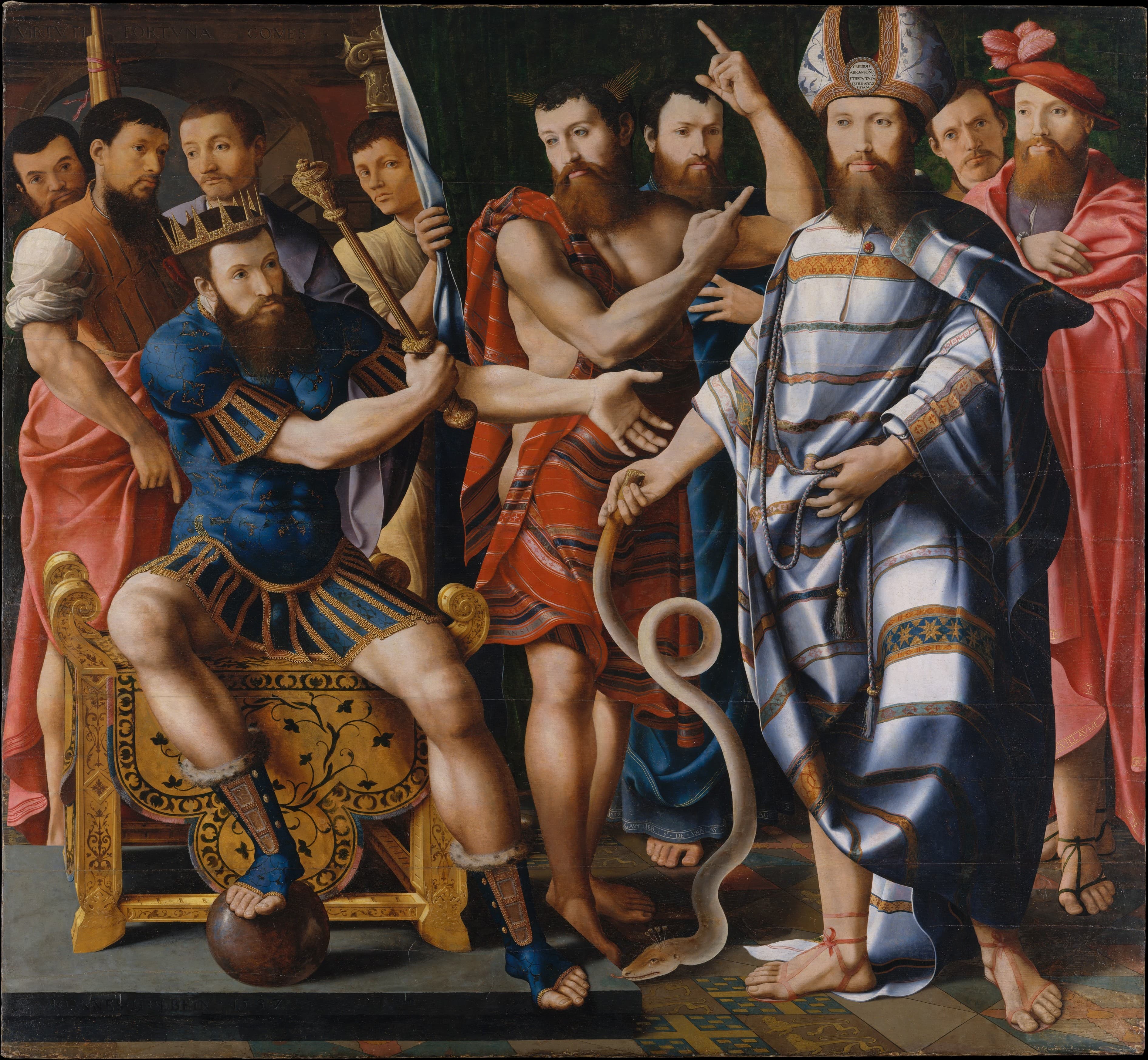
Baltimore Museum of Art's New Acquisitions Signal an Intentional Shift
Fresh acquisitions at the Baltimore Museum of Art bolster its commitment to diversity and representation, aligning with broader currents in contemporary art collecting.

Museums in Transit: Rethinking Relevance and Value
As they balance tradition with innovation, museums face increasing pressure to justify their relevance. New models of engagement offer a glimpse of what adaptation might look like.

The Future of Museums: Innovations and Challenges Ahead
As museums adapt to a changing cultural landscape, innovative practices in technology, exhibition design, and community engagement are reshaping their role and relevance.