The Technological Canvas: Broadening Art’s Horizons
As digital tools intertwine with artistic visions, technology is transforming both creation and accessibility, reframing art for an increasingly diverse audience.
In 2018, TeamLab opened Borderless at the MORI Building Digital Art Museum in Tokyo, immersing visitors in projections. Five years later, the museum announced its closure for relocation, signaling a shift in public engagement with digital art.
Artists are responding to rapid technological changes. Generative Adversarial Networks (GANs) are now tools for creators like Mario Klingemann and Sougwen Chung. Klingemann’s Memories of Passersby I (2019) sold for £40,000 (~$50,000 USD) at Sotheby’s, marking a significant moment for GAN art. This raises a crucial question: where does the artist’s hand end and the algorithm's begin?
Accessibility is another frontier shaped by technology. Virtual and augmented reality (VR/AR) allow audiences to experience works remotely, a trend accelerated by the pandemic. The Google Arts & Culture platform brings collections from institutions like the Uffizi Galleries into digital spaces, democratizing access beyond physical exhibitions. Even Fortnite’s Creative Mode has hosted virtual art installations, reaching demographics previously untapped by the art world.
Creation is also impacted. Deaf sound artist Christine Sun Kim uses visual scores and sonified data to express her experience of sound. Her inclusion in the 2022 Venice Biennale challenged traditional definitions of art and accessibility. Artists in the Global South are employing 3D scanning to digitally preserve cultural artifacts, such as the Mosul Cultural Museum's reconstruction of Assyrian artifacts.
These advances face critique. The NFT boom, which peaked in 2021, revealed a volatile mix of art, technology, and finance. Critics argue that while NFTs promised new opportunities, they also introduced environmental costs. “NFTs promised decentralisation but delivered financial centralisation,” said Anil Dash, co-creator of the first NFT in 2014.
Despite the challenges, the decentralisation of art is not entirely illusory. Rafael Lozano-Hemmer’s Border Tuner (2019) connects communities across the US-Mexico border through light and sound, showing how technology can foster dialogue.
Curators are navigating these shifts carefully. At the Victoria and Albert Museum, Senior Curator Irini Papadimitriou emphasizes critical engagement: “The challenge is not just integrating digital works into exhibitions but thinking ethically about the systems that underpin them.” This highlights a gap: technological innovation must align with meaningful frameworks to avoid reproducing inequities.
As these dialogues continue, the boundaries between artist, viewer, and medium blur. Scott Snibbe’s Boundaries (2022) exemplifies this, where audience interaction alters the piece in real-time, merging creation with participation. Engagement becomes an intrinsic part of the art.
Yet, the longevity of digital mediums remains uncertain. As platforms evolve, will today’s digital works endure? Institutions like Rhizome’s ArtBase, launched in 1999, are tackling digital preservation challenges. The field grapples with the ephemeral nature of digital art and what future audiences will encounter when they reflect on this moment.
This intersection of technology and art tests expression and connection in a digitized world. Addressing AI biases and reshaping public spaces, the experiments unfolding now will influence how art responds to and shapes the future.
- MORI Building Digital Art Museum: teamLab Borderless — teamLab Official Website
- Memories of Passersby I by Mario Klingemann — Sotheby's
- Venice Art Biennale 2022 Participants List — Biennial Foundation
- Border Tuner: Rafael Lozano-Hemmer — Border Tuner Official Website
- Rhizome ArtBase — Rhizome

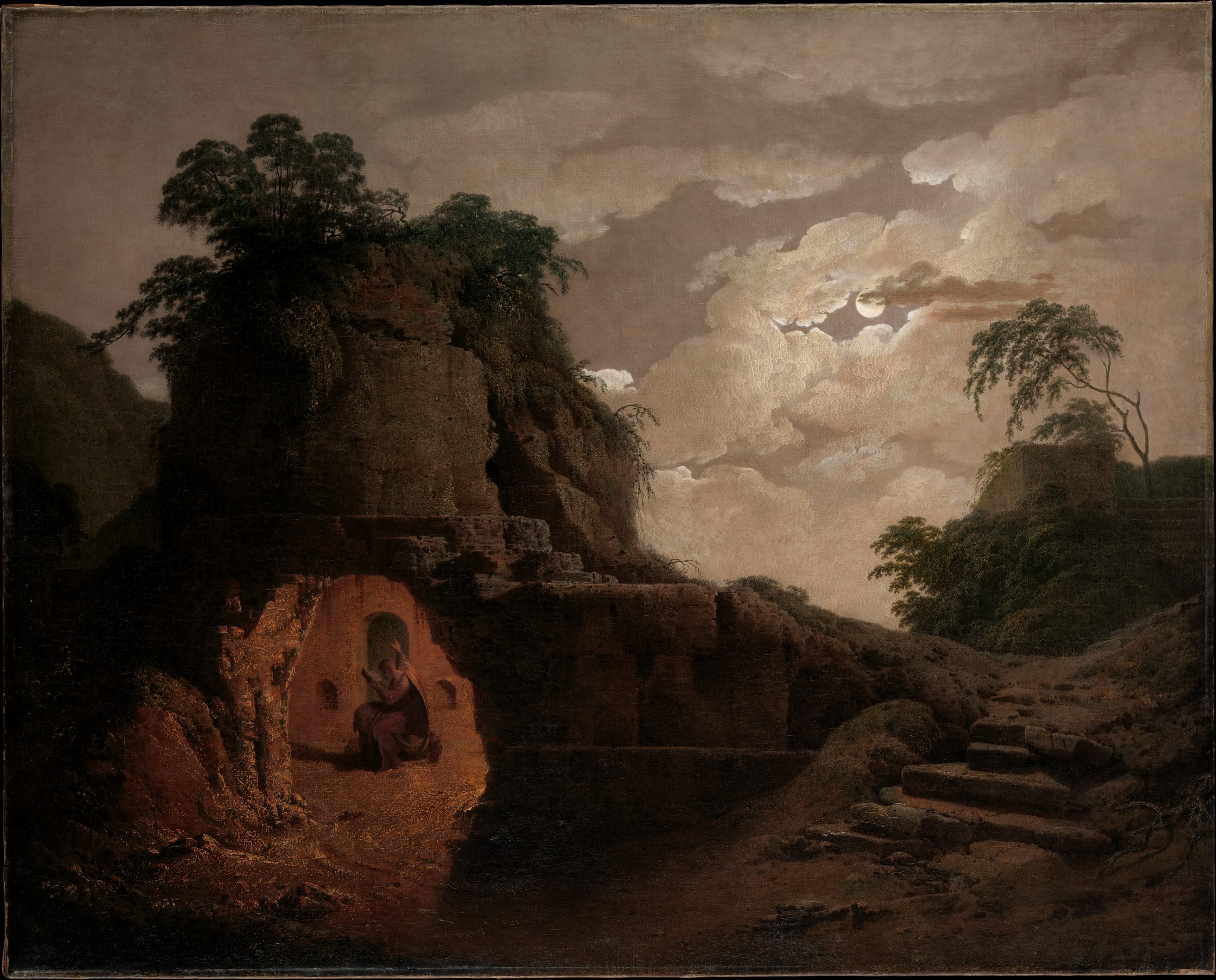
Digital Art and the Evolution of Creative Expression
Digital tools are reshaping creative practices and challenging long-held definitions of art and authorship, as technology becomes an intrinsic part of the artistic process.
When Technology Becomes the Artist's Collaborator
Emerging tools are reshaping artistic practices, transforming technology from a medium into a collaborator in the act of creation.
Crossing Grounds: Art and Technology at Georgia Tech
The Crossing Grounds exhibition at Georgia Institute of Technology highlights interdisciplinary practices that merge art, design, and technology, redefining creative expression in the digital age.