
Who Belongs in the Frame? Museums and the Push for Inclusivity
As museums confront questions of representation and accessibility, their new strategies reveal cracks in the traditional model of cultural stewardship.
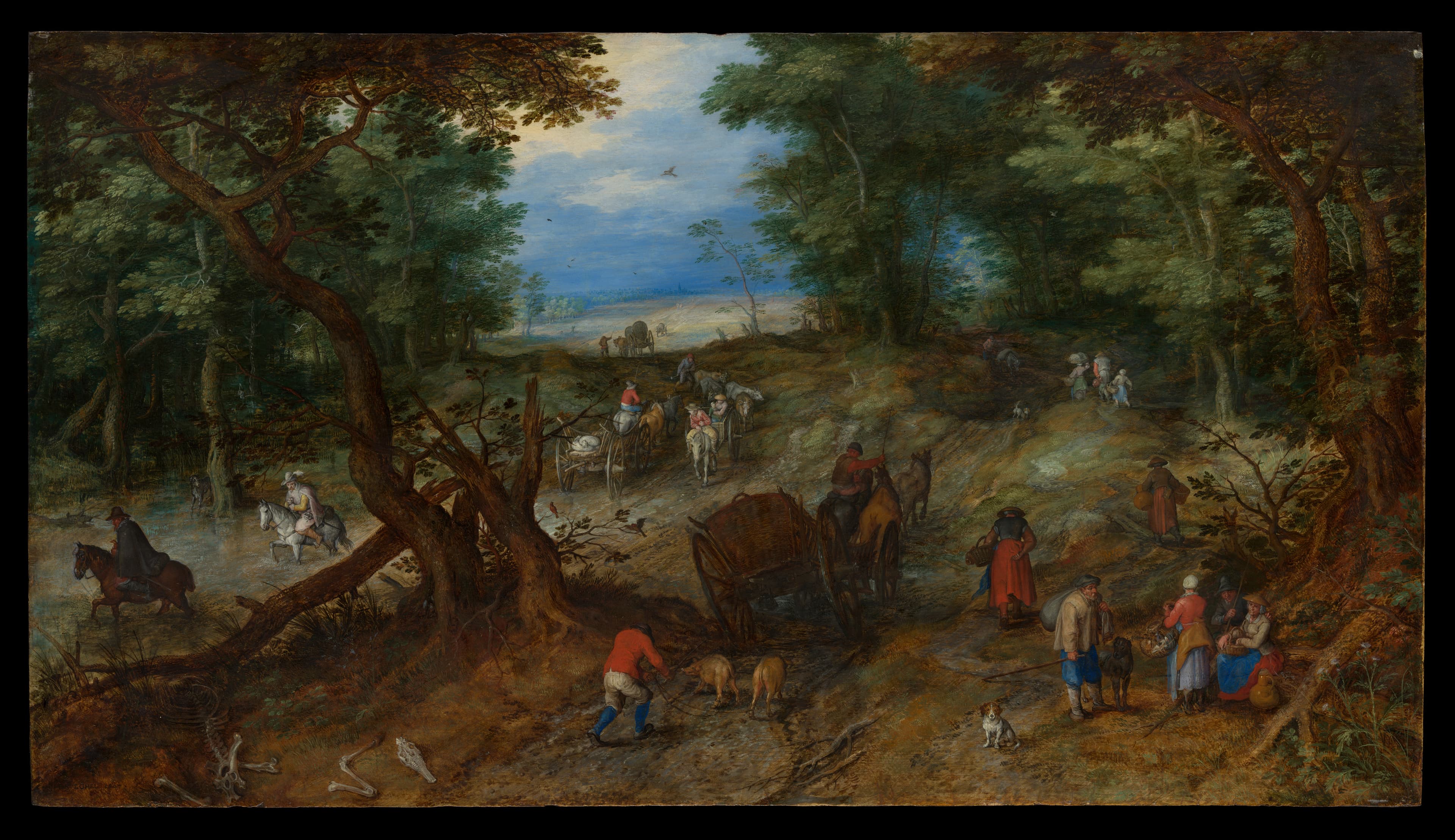
The Rijksmuseum in Amsterdam reopened its Great Hall in 2013, aiming for greater accessibility and a rethinking of whose histories the museum serves. This initiative was framed as an ethical imperative.
Despite its acclaim, the Rijksmuseum faced criticism. Its 2021 exhibition Slavery, which explored Dutch colonialism through ten personal stories, attracted over 200,000 visitors. However, it raised questions about representation within traditional curatorial formats. How can centuries of systemic exploitation be translated into a digestible narrative? Senior curator Eveline Sint Nicolaas remarked, "We are still learning to listen to communities outside the traditional academic and artistic elite."
This tension reflects a broader shift in the role of museums worldwide. Institutions once defined by their collections are becoming agents of social engagement. The Louvre, with its 9.6 million annual visitors pre-pandemic, expanded educational programming to include workshops for local immigrant communities. Similarly, the Museum of Modern Art in New York launched its Prime Time initiative in 2016, creating specialized tours for older adults, a demographic often overlooked.
Inclusivity requires more than programming changes. The frameworks through which art and objects are archived, displayed, and interpreted are under scrutiny. The British Museum, known for its controversial holdings like the Parthenon Marbles, has been at the center of repatriation debates. Recently, conversations accelerated as Indigenous communities in Australia and North America assert claims to ancestral artifacts. In 2022, Nigeria secured the return of over 70 Benin Bronzes from various European institutions. German Culture Minister Claudia Roth called these repatriations "long overdue steps toward justice," though some activists viewed the restitution as insufficient.
Repatriation intersects with museum economics. Loans and collaborative agreements are emerging as compromises. In 2021, the Smithsonian Institution announced its intention to return artifacts to communities of origin where appropriate, alongside offering "perpetual loans" for specific items. While some praise this hybrid model as pragmatic, others criticize it for perpetuating an unequal power dynamic where Western institutions retain control over cultural heritage.
Public engagement is another frontier for museums. The pandemic accelerated digital initiatives, with institutions investing in virtual tours and online archives. The Museo del Prado in Madrid saw a 125% increase in traffic to its digital collection in 2020. However, as art historian Bénédicte Savoy noted in her 2021 essay "The Museum in Exile," digital access cannot replace the physical experience. "The aura of the object cannot be translated into pixels," she cautioned, warning against overreliance on technology.
The issue of who feels welcome in museum spaces remains unresolved. Ticket prices act as barriers, despite initiatives like free admission for under-18s at the Vatican Museums. Moreover, the demographic composition of museum staff often fails to reflect the communities these institutions serve. A 2018 survey by the Mellon Foundation found that only 16% of curatorial positions in the U.S. were held by people of color. Although institutions like London’s Tate have launched diversity initiatives, progress remains slow.
The emerging role of museums is to hold space for these contradictions. The Musée d’Orsay’s 2023 exhibition The Other Side of Empire pairs canonical 19th-century works with lesser-known pieces from French colonial territories. Curator Christophe Leribault described it as "an attempt to widen the frame without erasing established narratives." Whether such exhibitions can effect lasting change or merely signal institutional self-awareness remains an open question.
The traditional museum—once defined by its neutrality—no longer commands public trust. Visitors demand transparency, accountability, and dialogue. As Sint Nicolaas stated, "The silence of the institution is no longer acceptable." In this new landscape, museums must balance their historical mandates with contemporary expectations, a task requiring humility and ambition.
- *Slavery* Exhibition — Rijksmuseum
- Smithsonian Announces New Repatriation Policy — Smithsonian Magazine
- Digital Collection Usage Data — Museo del Prado
- Diversity in Museum Leadership — National Endowment for the Arts
- *The Other Side of Empire* Exhibition — Musée d’Orsay

Art and Activism: Museums as Agents of Social Change
Museums are transforming from neutral repositories to active spaces for dialogue, reflecting the demand for cultural institutions to engage with social issues.
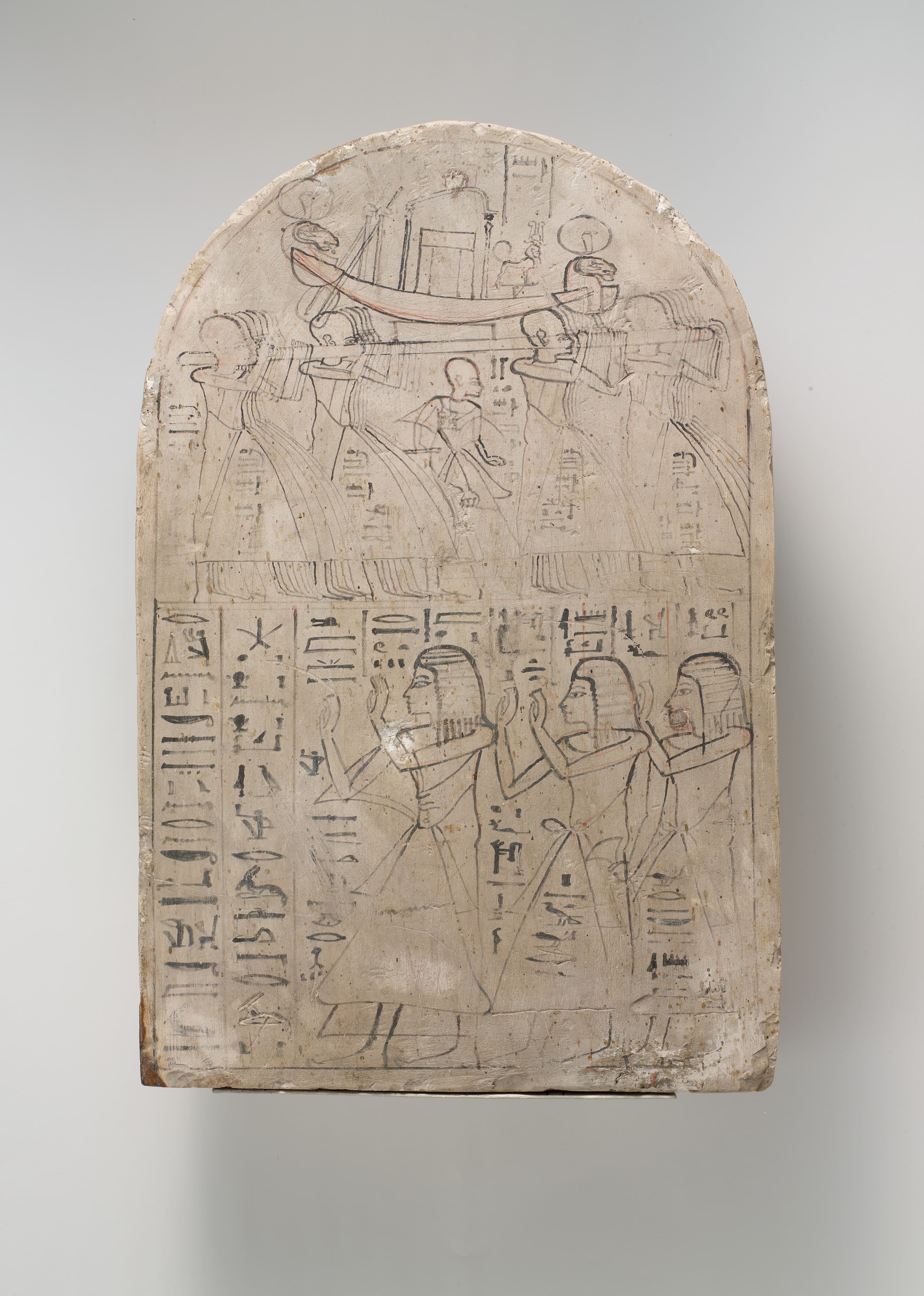
Art Theft and Europe’s Museums: A Crisis of Preservation
Rising incidents of art theft expose the frailties of European museum security, raising questions about the adequacy of institutional safeguards for cultural heritage.
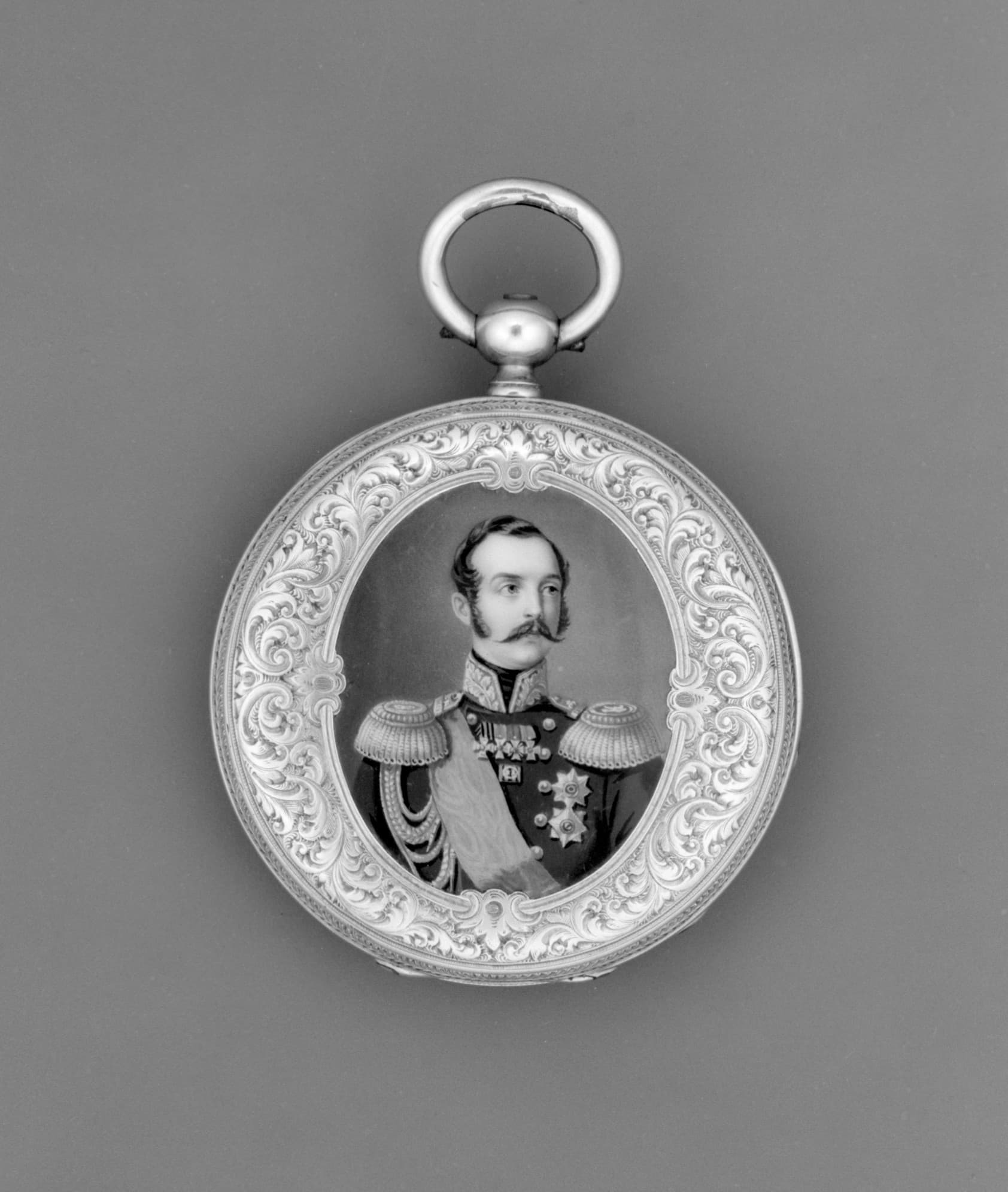
Balancing Trust: Museums and Political Pressures
US museums see rising trust levels, but political pressures threaten the neutrality that forms the bedrock of their public role.