
Craftsmanship Renewed: Traditional Techniques in Modern Design
In an era of mass production, contemporary designers are reasserting the importance of craftsmanship, merging time-honoured skills with modern aesthetics to create objects that resonate on personal and cultural levels.
The seam of hand-spun wool on a studio-made chair signals a return to intention in design. In 2021, the UK Craft Council reported a 32% rise in demand for handmade goods. This surge reflects changing consumer priorities during and after the global pandemic. As off-the-shelf convenience fades, makers are reframing old techniques for modern use.
At the heart of this revival is the integration of traditional methods into contemporary objects. Designer Faye Toogood’s Roly-Poly Chair blends a Brutalist silhouette with finishes rooted in hand-applied processes. In an interview with ARTDESENT, Toogood explained, ‘I wanted to explore tactility—not just a surface decoration, but something that speaks to the weight of the material and the hand that shaped it.’ The chair’s rawness comes from a plaster casting process that echoes mid-century sculptors, yet its form feels distinctly modern.
Fashion is also responding. In Paris, Loro Piana collaborated with Sardinian weavers specializing in Su Foghile, an ancient wool-working technique from the 16th century. The result—a series of coats dyed in muted ochres and earth tones—debuted in their Winter 2023 collection. 'The goal wasn't replication,' said Giulia Gotti, a textile historian consulting on the project, ‘but continuity. Su Foghile isn't a museum artefact—it’s alive, renewable.’
These efforts resonate for their aesthetic appeal and the deeper connection they create between object and owner. A hand-carved bowl or couture garment carries the maker's mark, visible even under varnish or gold leaf. This ethos underpins a wave of small brands and independent studios. In Tokyo, OEUF—a ceramics atelier founded by Akiko Hoshino—limits production to 50 pieces per month. Each vessel reflects the uneven, slightly asymmetrical shapes of Edo-period pottery. ‘The imperfection is the perfection,’ Hoshino remarked, quoting a Japanese proverb during her solo exhibition at the Setagaya Art Museum in 2022.
The focus on singularity raises questions about scalability and sustainability. Critics remain sceptical. A June 2023 article in Journal of Design & Culture argued that the resurgence of craft risks becoming a luxury signifier, reducing handmade objects to symbols of exclusivity. The price of a Toogood piece or Loro Piana coat reinforces this concern. Mass affordability is elusive when production slows to accommodate human hands over machines. Yet advocates argue that these practices need not dominate the market to influence it. They remind consumers of the value of provenance and the narrative potential of the objects they choose.
Academic frameworks are also evolving. In Milan, a six-month exhibition at the Triennale Museum earlier this year, Hand and Mind: Modern Craft in Contemporary Design, showcased over 120 works by emerging designers. Curators included process videos and workshops to contextualize the labor behind the finished products. As Chiara Olivetti, the exhibition's co-curator, noted, ‘Craft isn’t just historical; it’s generative. It creates futures as effectively as it preserves pasts.’
A return to craft may serve as resistance to broader disconnection. Social theorist Richard Sennett, author of The Craftsman (2008), argues that skilled work promotes psychological well-being. Studies link the repetitive motions of artisanal practice—throwing clay pots, weaving textiles, hand-stitching leather—with meditative states. These connections position craft as a counterweight to the chaotic, overly digitized rhythms of contemporary life.
However, with every resurgence comes the spectre of commodification. In 2020, a major European retailer launched a ‘handmade-inspired’ line of furnishings, most of which were industrially produced in East Asia. The backlash from craft advocacy groups was swift; they cited potential exploitation in labor practices and the appropriation of traditional forms. Such examples underscore the importance of transparency. Provenance—knowing not just the origin of a material but the hands that shaped it—emerges as a recurring demand from today’s conscientious consumers.
The resurgence of craftsmanship in contemporary design represents a philosophical shift as much as an aesthetic one. It invites a slower, more intentional rhythm of consumption while requiring practitioners to balance tradition with reinvention. From Tokyo to Milan, Paris to the UK, the conversation continues to expand. As institutions, makers, and consumers align around intentional practices, the question is no longer whether craft matters, but how its new relevance will shape design for decades to come.
- Market research on UK craft demand — Crafts Council
- Setagaya Art Museum collection and exhibitions — Setagaya Art Museum
- Hand and Mind: Modern Craft in Contemporary Design — Milan Triennale Museum
- Faye Toogood's portfolio: Craft and design — Faye Toogood
- The Craftsman by Richard Sennett — University of Pennsylvania Press
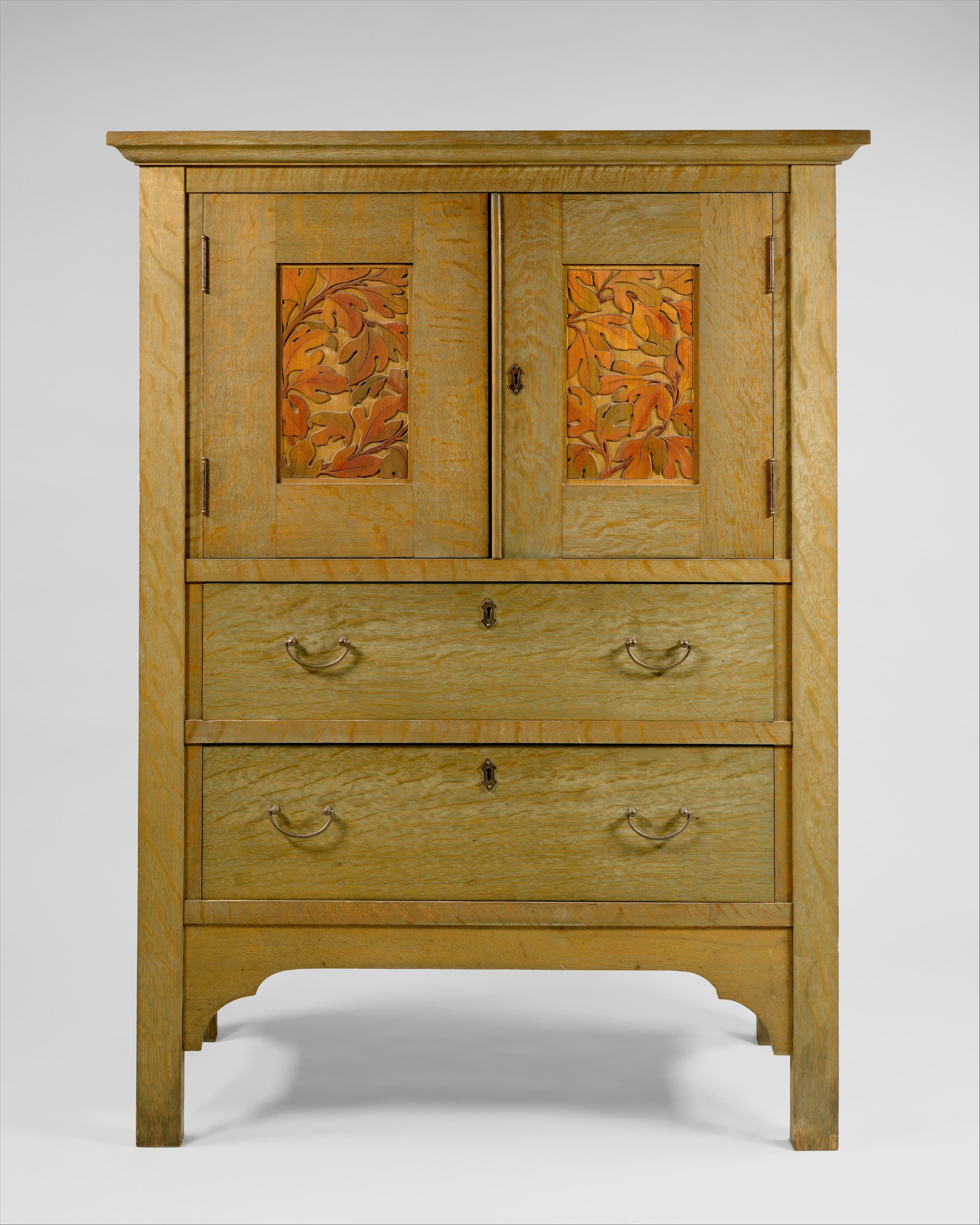
Crafting the Future: Innovations in Material Use and Design
Designers are pushing material boundaries while embracing sustainable crafts, offering a blueprint for future creative practices.

Radhika Chitalia and the Passport as a Vessel for Memory
Radhika Chitalia transforms her late father's passport into a tactile record of loss, reframing its pages as carriers of grief and remembrance.
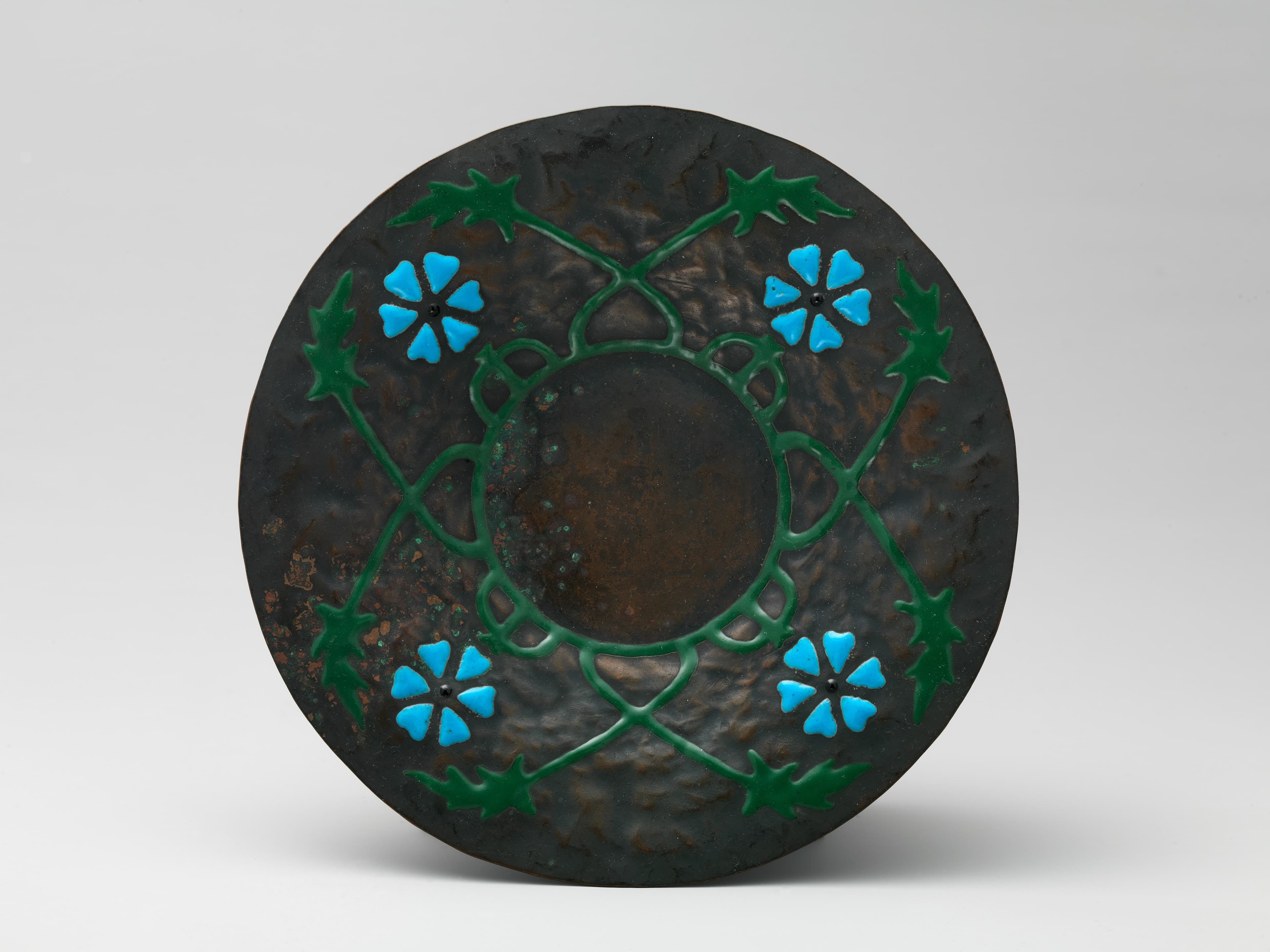
Crafting New Narratives: Traditional Techniques in Contemporary Art
Traditional techniques are shifting from preservation to innovation as contemporary artists use them to craft modern narratives.