
Historical Narratives Revived: Argentine Art Collection Auction Highlights Van Gogh and Cézanne
A landmark auction places masterpieces by Van Gogh and Cézanne in the spotlight, reframing their relevance within contemporary dialogues about art preservation and cultural memory.
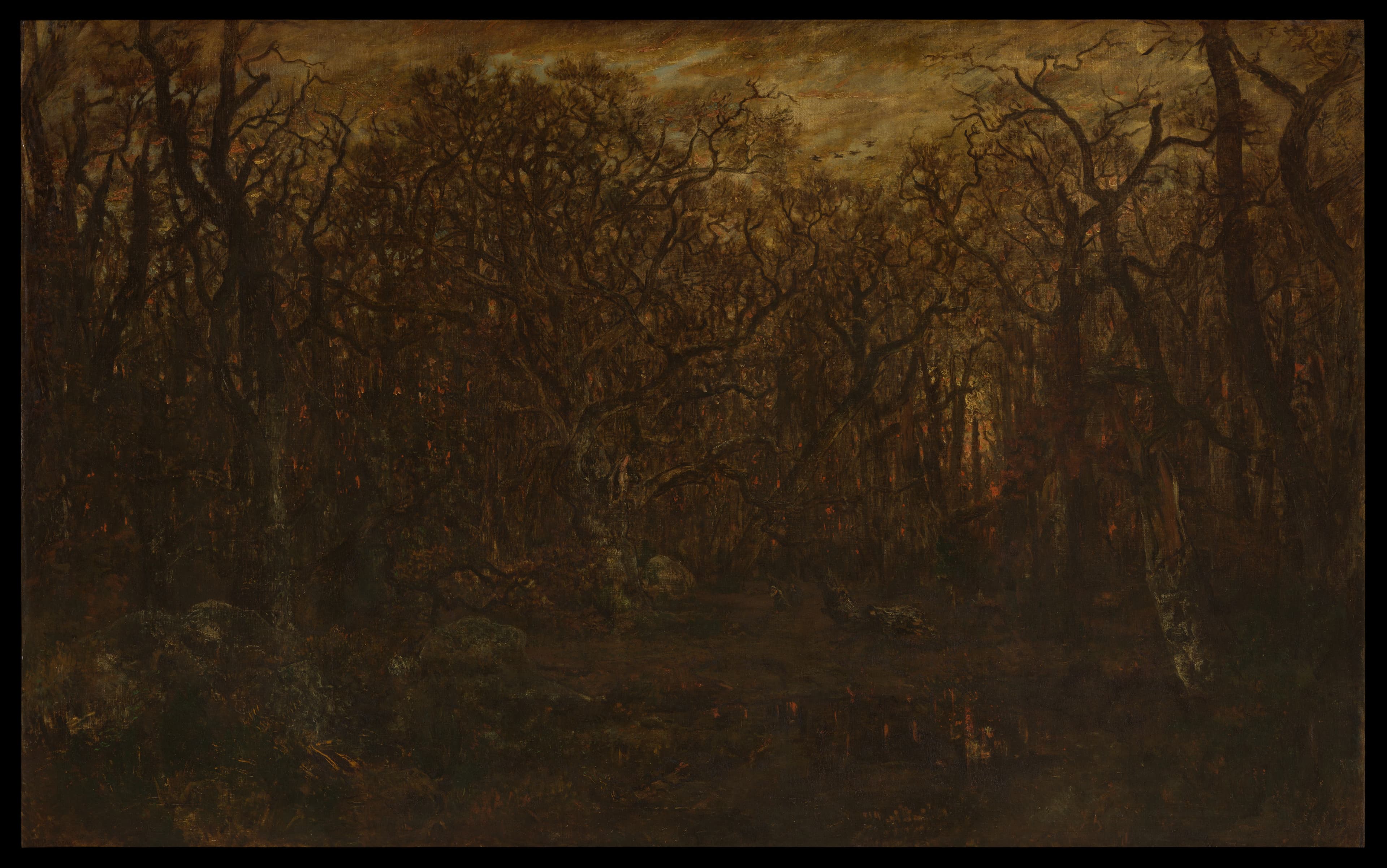
On 12 October 2023, Sotheby’s New York auctioned a Van Gogh landscape for $48.5 million and a Cézanne still life for $34.2 million. These masterpieces belonged to industrialist Héctor Bianciotti, who built his collection in the mid-20th century.
Bianciotti, who died in 1985, was influential in South American art circles and favored European Post-Impressionists. Records from the Fundación Arte y Archivo in Buenos Aires indicate that he acquired Van Gogh's Paysage aux oliviers in 1954 from Galerie Bernheim-Jeune in Paris. Four years later, he purchased Cézanne's Pommes et couteau from Knoedler & Co. in New York, as confirmed by surviving invoices.
Art historian Lucía Menéndez from the Museo Nacional de Bellas Artes in Buenos Aires remarked that Bianciotti’s collection mirrors a time when South American patrons viewed European modernism as an aspiration. 'In the Argentine context of the 1950s, these acquisitions were acts of self-positioning,' she stated. 'Collectors like Bianciotti aligned themselves with an international cultural elite, distancing from local artistic developments.' Sotheby’s auction catalogue described the collection as a 'window into mid-century Argentine taste and ambition.'
The auction's total of $182.4 million raises questions about the role of historical narratives in contemporary art markets. The renewed interest in figures like Van Gogh and Cézanne suggests a shift in how we value historical art. Are we witnessing a revaluation against speculative trends?
Anna Lerner, a curator at the Museum of Modern Art (MoMA) in New York, believes so. 'The auction underscores a renewed fascination with historical depth and provenance,' she wrote. 'Collectors want works that come with stories—provenance, historical significance, even philosophical weight.'
Lerner highlighted Paysage aux oliviers, painted in 1889 during Van Gogh’s stay at the asylum in Saint-Rémy-de-Provence. Letters from Van Gogh to his brother Theo reveal his emotional connection to the olive groves, symbols of endurance and renewal. 'That biographic and symbolic layer drives collectors to seek out works by artists like Van Gogh,' Lerner suggested.
This raises a significant question: how should institutions and individuals preserve these historical narratives? Sotheby’s auction catalogue provided extensive documentation—provenance details, exhibition histories, and conservation reports. Yet, such transparency is not universal. Menéndez warned, 'When collections like these are dispersed, some pieces risk losing context, becoming mere objects of financial speculation.'
Institutions like the Getty Research Institute and the Fundación Arte y Archivo are working to mitigate this risk through a digital archive initiative. This project aims to document significant Latin American art collections from the 20th century, including sales receipts and oral histories from collectors’ descendants. 'We must think of provenance as an evolving narrative,' said Jaime Arrieta, director of Fundación Arte y Archivo.
Preserving narratives involves maintaining public access to historical art. Bianciotti’s collection was largely private, with few loans to institutions like the Museo Nacional de Bellas Artes. The auction presents a bittersweet irony: these masterpieces, now scattered, may never again be seen together as Bianciotti intended. This tension between private ownership and public significance remains unresolved.
For Sotheby’s, the auction's financial success signals a potential shift. Sales of 19th- and early 20th-century works have declined, overshadowed by contemporary art. Will Bianciotti’s collection encourage other auction houses to highlight historical art? Or will it be seen as an outlier, a fleeting moment for modernism’s old masters?
Lerner remains cautiously optimistic. 'It’s a reminder that historical art commands not just money, but attention and respect,' she said. 'As the market evolves, depth of narrative may become its own currency.' Whether this shift is lasting is uncertain, but Bianciotti’s legacy and his carefully selected works highlight the enduring power of historical narratives in art.
- Sotheby’s Auction Records, October 2023 — Sotheby’s
- Museo Nacional de Bellas Artes Collection — Museo Nacional de Bellas Artes, Buenos Aires
- Getty Research Institute Provenance Database — Getty Research Institute
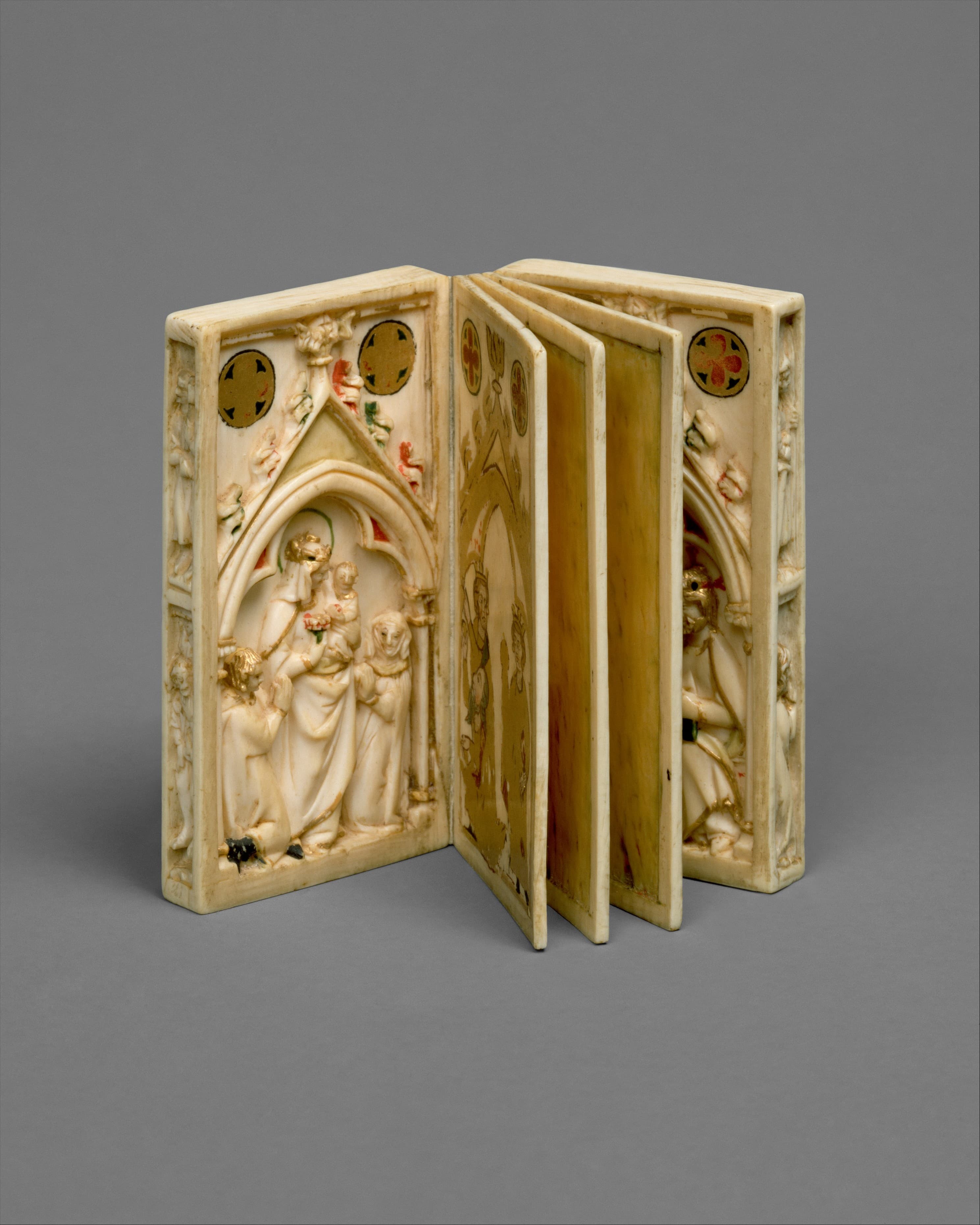
Carving the Commons: How Public Art Shapes Urban Identity
Public art installations embed stories and community identities in urban frameworks.
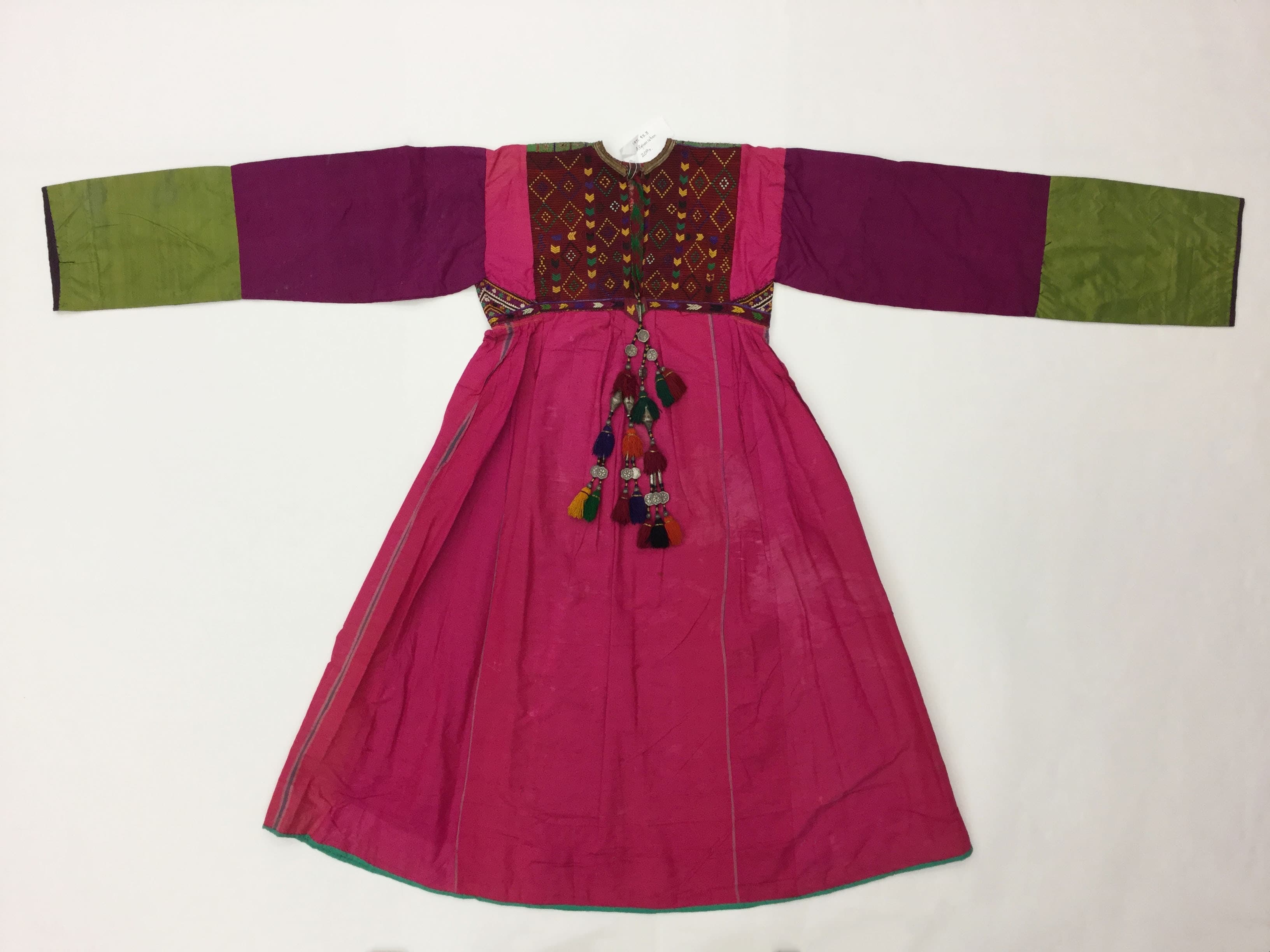
Aziz Hazara: Fractured Geographies and the Art of Resilience
Aziz Hazara’s latest exhibition transforms conflict and sanctions into layered visual narratives, interrogating the global structures that shape individual lives.
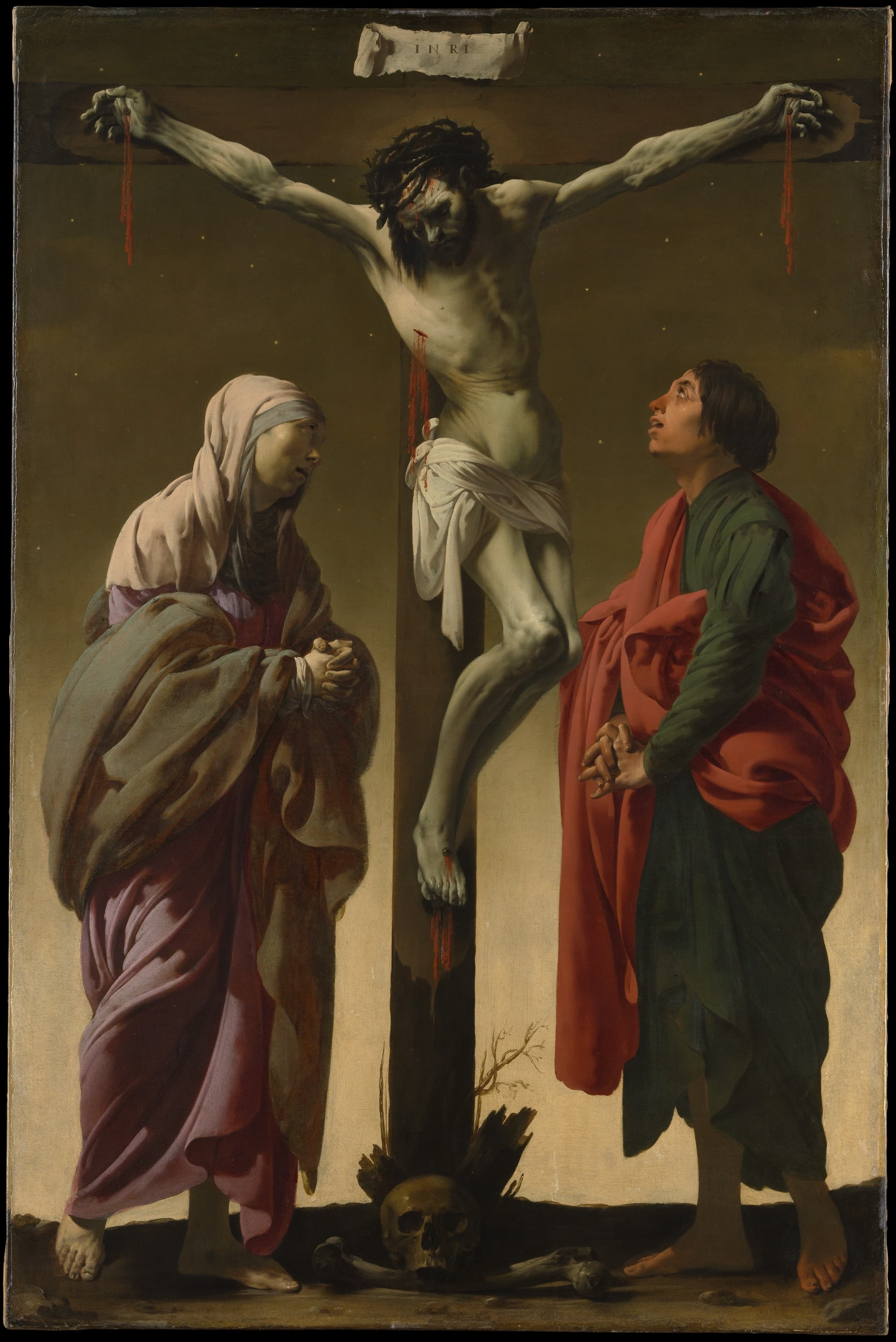
Art Restitution and the Moral Crux of Cultural Memory
The return of Nazi-looted art spotlights the ethics of ownership and the duty of museums to confront contested histories.