
The Evolution of Art and Culture: Ethics, Ownership, and Heritage in Modern Museums
As repatriation claims reshape antiquities collections, museums face mounting questions about cultural heritage, ethical stewardship, and how to reconcile their past with an inclusive future.
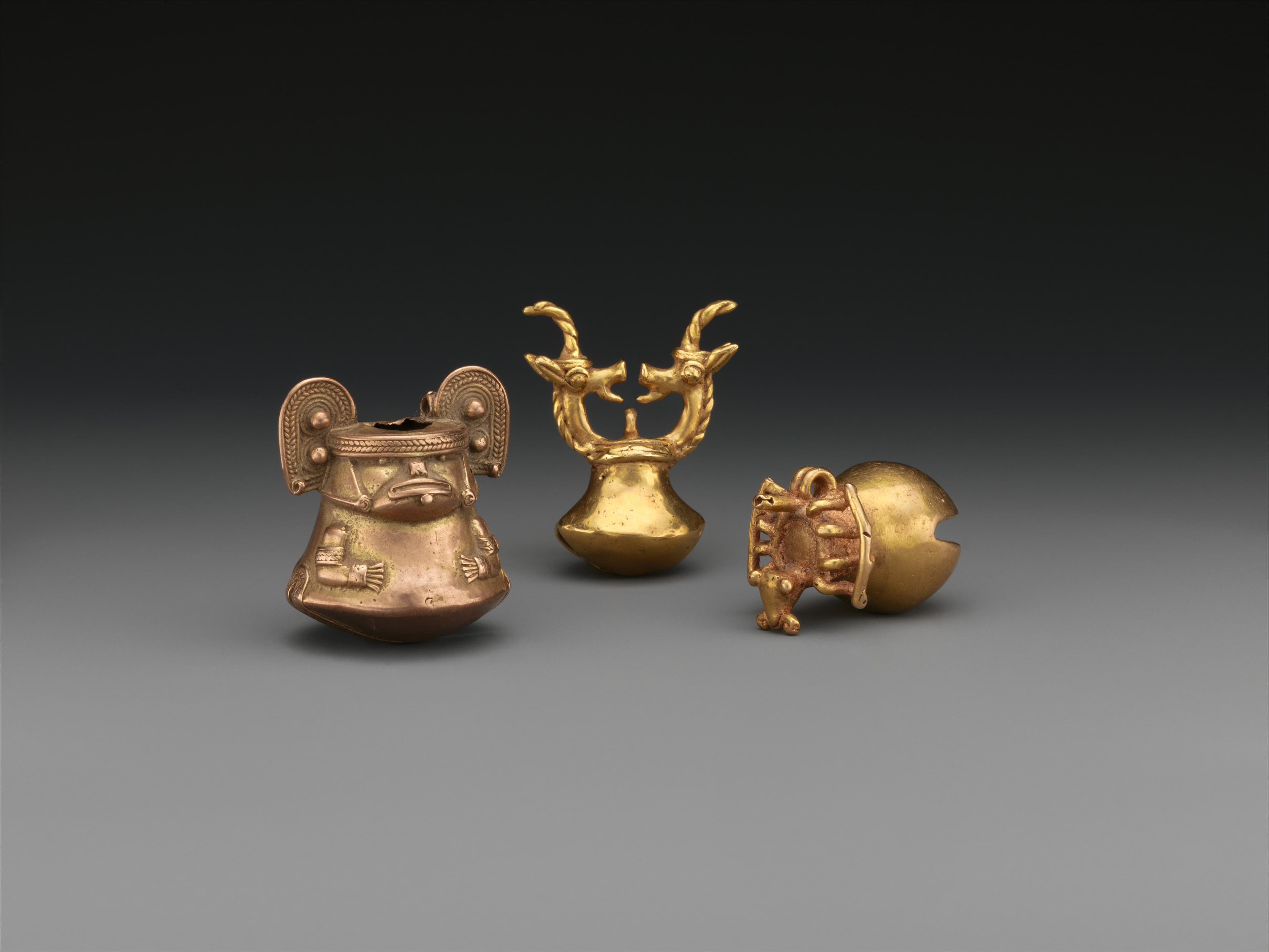
In September 2023, the British Museum faced scrutiny after missing artifacts were revealed, including items from its Greek and Roman collections. This incident ignited debates over ethical curation and museums' obligations to audiences and source communities. Repatriation efforts are growing, highlighted by the return of Benin Bronzes from European museums and high-profile restitutions by the Smithsonian National Museum of African Art.
Art repatriation is accelerating due to shifts in public awareness and legal frameworks. In 2022, the Metropolitan Museum of Art returned 27 artifacts to Nigeria, reflecting a reckoning with colonial histories. Jonathan Fine, director of the Weltmuseum Wien, stated, "The legacy of colonialism isn’t just about objects—it’s about relationships and narratives. Repatriation acknowledges that." This acknowledgment is crucial for redefining museums’ roles today.
A key issue is the distinction between legal ownership and moral responsibility. Museums often acquire items through opaque networks of dealers and collectors. The Elgin Marbles, held by the British Museum since 1816, exemplify this tension. Greece's Ministry of Culture reiterated calls for their return in June 2023, emphasizing their significance to national identity.
Modern exhibitions strive to address these tensions by emphasizing provenance. In 2021, the Museum of Fine Arts, Boston debuted Revisions: Recovered Histories, pairing looted Cambodian artifacts with contemporary Southeast Asian artworks. By presenting these pieces within their cultural contexts, the museum highlighted stories of displacement and reclamation. Curator Sopheap Pich remarked, "This is about more than restitution; it’s about building a dialogue that honors the past while looking forward."
Integrating community voices into exhibitions underscores shifts in museum ethics. The National Gallery of Australia has partnered with Indigenous communities to co-curate displays, ensuring representation reflects authentic cultural values. Scholar Dr. Ruth Phillips notes, "Collaboration isn’t optional—it’s essential for ethical stewardship." However, actualizing this remains uneven, especially in institutions lacking sustained funding or cultural expertise.
Financial implications complicate the issue. Repatriation involves legal expenses, research costs, and diplomatic negotiations. Much of this work unfolds quietly, as seen in the Met's return of Cambodian bronzes in late 2023—a process spanning four years of confidential talks. For smaller museums and private collections, these challenges are magnified. Balancing financial strain with ethical action poses a significant dilemma.
Technology offers potential solutions. Digital repatriation projects, like the Smithsonian's digitization of Benin artifacts, allow source communities to engage with cultural heritage without necessitating permanent returns. Critics argue, however, that digitization cannot replace the emotional resonance of reconnecting communities with tangible artifacts. "A scan is not a surrogate for the object itself," says Nigerian anthropologist Peju Layiwola.
Contemporary museums must navigate these intertwined dilemmas transparently. The International Council of Museums (ICOM) released updated guidelines in 2022, emphasizing "cultural cooperation and reconciliation" as core principles. These guidelines advocate for institutions to engage with stakeholders, disclose provenance research, and adopt a proactive stance on ethical dilemmas.
The evolution of art and culture within museums demands a fundamental shift in how power and knowledge are distributed. As audiences become more diverse and globalized, the narratives within museums must reflect this plurality. The success of these transformations hinges on leadership and collective accountability across the cultural sector.
What remains unresolved is how historical injustices can be mitigated through current measures. Can repatriation repair the fractures caused by colonial legacies, or will the process remain piecemeal without systemic change? Museums face an inflection point, challenging them to reconcile their origins with their aspirations.
- British Museum statement on missing artifacts — British Museum
- Provenance Research — Metropolitan Museum of Art
- ICOM Code of Ethics for Museums — International Council of Museums
- Smithsonian Returns Benin Bronzes to Nigeria — Smithsonian Magazine
- Decolonizing Museum Practices — Rheinische Jahrbücher des Kunsthistorischen Instituts

Public Funding in Peril: The Louvre and Global Cultural Sustainability
As rising costs strain cultural institutions worldwide, the Louvre's director calls for expanded public investment to safeguard heritage and accessibility.

Art as Action: How Museums Address Social Change
Cultural institutions are increasingly stepping into activist roles, addressing social issues through exhibitions and programming that connect art to community needs.

Museums and the Shaping of Cultural Narratives
Through recontextualized exhibitions and inclusive initiatives, museums are redefining their role from custodians of artifacts to engines of cultural dialogue.