
The Hidden Gallery at London’s Natural History Museum Reopens
The rediscovery of a Bernini painting anchors the reopening of a long-overlooked gallery, sparking discussions about museums' evolving role in cultural stewardship.
The Natural History Museum in London, known for its dinosaur skeletons, has reopened the Hidden Gallery. This space, dedicated to cultural heritage, had been closed for over four decades due to budget constraints. Its revival invites reflection on the responsibilities of institutions balancing scientific and artistic legacies.
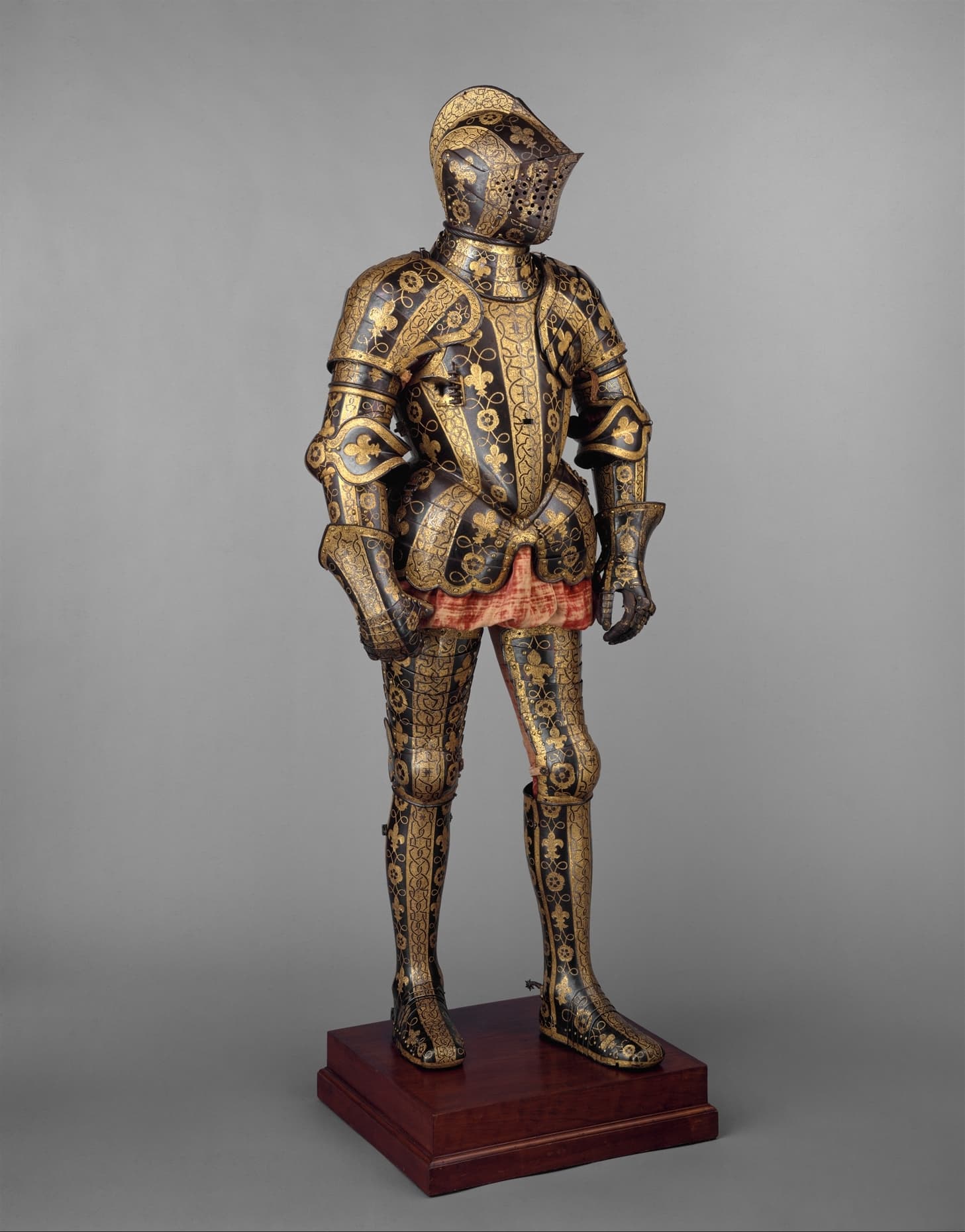
Central to the reopening is a rediscovered painting attributed to Gian Lorenzo Bernini. The work, Portrait of a Young Man in Armor, had languished in storage, misattributed and mislabeled. Recent conservation efforts led by Dr. Francesca Capaldi, a Baroque art curator, revealed its significance. Capaldi’s team connected the painting to Bernini’s Roman workshop between 1625 and 1627 through a detailed study of its pigments and canvas. The Getty Research Institute confirmed the reattribution in 2022.
Dr. Capaldi remarked, “The painting exemplifies the interplay of confidence and vulnerability often seen in Bernini’s portraiture.” Its placement in the Hidden Gallery, alongside other 17th-century artifacts, reframes the museum’s collection as a dialogue between the natural and human worlds. “We often think of the Natural History Museum as a temple of science,” she noted, “but its roots are deeply entwined with artistic and cultural stewardship.”
Other highlights include early botanical illustrations by Maria Sibylla Merian and a 16th-century globe by Gerard Mercator. These objects, part of the museum's founding collection, underscore the interdependence of art and science during the Enlightenment. Their redisplay emphasizes the historic practice of collecting as a form of intellectual mapping.
However, the reopening raises questions about the role of art in primarily scientific institutions. Critics have noted that many objects in the Hidden Gallery were acquired under colonial conditions. For example, the Mercator globe was purchased from a private collector whose family wealth stemmed from East India Company trade routes. Such histories complicate the museum’s narrative of rediscovery.
“The museum cannot disentangle itself from its past,” said Dr. Adebayo Osuntokun, a cultural historian at King’s College London. “Acknowledging the origins of these artifacts is crucial, not just to their interpretation but to their continued stewardship.” He emphasized that reopening a gallery is a statement about whose histories are prioritized.
The Natural History Museum plans to address these concerns. The Hidden Gallery’s new interpretive panels, developed with external researchers and community groups, aim to contextualize the collection’s colonial links. A QR code accompanying the Mercator globe directs visitors to an online resource detailing its provenance, offering transparency previously absent.
This digital layer is part of the Museum Futures program, launched in 2021, which seeks to balance traditional displays with contemporary engagement methods. While some applaud the museum’s technological embrace, others question its ability to substitute for deeper institutional accountability.
The reopening also raises practical questions about resource allocation. Renovating the Hidden Gallery reportedly cost £2.6 million ($3.15 million USD), funded through private donations and government grants. With public institutions facing funding cuts, this investment has drawn criticism from those who argue that resources might be better used elsewhere. A petition among museum staff in early 2023 called for increased support for scientific research, warning that “diverting funds to peripheral projects risks undermining the core mission of the institution.”
Despite these debates, the Hidden Gallery’s reopening has drawn significant public interest. Visitor numbers in its first week exceeded projections, with school groups and international tourists queuing to see the Bernini painting. The gallery’s layout, designed by Caruso St John, combines Victorian detailing with minimalist interventions, allowing the objects to stand out. A central skylight, restored to its original design, floods the room with natural light, creating “an atmosphere of quiet discovery,” as Capaldi described.
What remains unresolved is whether the Hidden Gallery will set a precedent for other museums with underutilized spaces. The British Museum, the Ashmolean, and the Victoria and Albert Museum all hold substantial collections currently in storage. If the Natural History Museum’s approach proves successful, it could signal a shift toward reactivating dormant collections rather than acquiring new ones.
For now, the portrait attributed to Bernini serves as a powerful symbol. It positions the gallery as a space for conversation about art, science, history, and the ethics of preservation. As the museum moves forward, it must balance these roles, ensuring that the reopened gallery does more than showcase artifacts. It must also confront the difficult histories that brought them there. The rediscovery of Portrait of a Young Man in Armor may be the start of that process. Whether it becomes a model or an exception remains to be seen.
- Hidden Gallery Reopens at Natural History Museum — Natural History Museum London
- Getty Research Institute Confirms Bernini Attribution — Getty Research Institute
- Caruso St John Designs Hidden Gallery Restoration — Caruso St John Architects
- Museum Futures Initiative — Natural History Museum London

Museums as Mirrors: Reflecting Social and Environmental Challenges
Cultural institutions are evolving to address pressing social and environmental issues, using exhibitions, programming, and architecture to foster critical public discourse.

From Asylum to Dialogue: The Mind Museum's Adaptive Reuse
CF Møller Architects' redesign of a former psychiatric hospital into the Mind Museum prioritizes dialogue, memory, and community over institutional authority.
Inhotim at 20: Sustained Growth or Fragile Monument?
Brazil’s Inhotim celebrates its 20th anniversary as a global art destination. Yet, challenges of sustainability and succession loom over its sprawling gardens and pavilions.