
The Studio as Archive: Contemporary Black Artists Reshaping Cultural Narratives
A new exhibition foregrounds the studios and practices of Black contemporary artists, presenting their work as both personal testimony and cultural intervention.
In the Goodman Gallery, Lonnie Holley’s workbench is meticulously reconstructed, showcasing every paint-smeared tin and rusted found object. This installation highlights the significance of Holley’s studio in understanding his artistic practice. Making Space: Black Artists and Their Studios, running through January 28, 2024, in Johannesburg, repositions the artist’s workspace as a site for creation and cultural dialogue.
The exhibition features studio reconstructions, archival photographs, and ongoing works by twenty artists, including Njideka Akunyili Crosby. Her layered compositions reflect the complexity of Nigerian diasporic identity. Crosby’s table, scattered with collaged ephemera—photographs, textiles, and Nigerian print magazine clippings—evokes process and memory. At a press preview, curator Tumelo Mosaka stated, “visualise the unseen labour” behind art that often appears fully formed. Crosby’s studio acts as an archive, holding the histories of displacement and belonging that define her work.
This focus on the studio mirrors a trend in curatorial practice. Poet and scholar Camille Dungy observes that such exhibitions resonate particularly when curated in Africa or the diaspora: “They challenge the conventional reception of Black artists’ work as products of ‘suffering’ or ‘raw instinct.’ Instead, they show these artists as deliberate, intellectual practitioners embedded in their histories.” Dungy’s insight highlights the studio as a site of production and narrative control amid structural inequities in the art world.
Artists like Kehinde Wiley and Theaster Gates extend this concept into urban environments. Gates’ Rebuild Foundation transforms abandoned buildings into community spaces, framing his studio as a city block. Wiley presents three monumental canvases from his Rumors of War series, alongside video documentation of their creation. This footage reveals his subversion of European portraiture by incorporating Black subjects dressed as everyday individuals. Wiley’s process—shown through sketches, palette tests, and interviews—aligns with Mosaka’s assertion that “the studio is an engine of reimagination.”
The commercial implications of this framing are significant. Mosaka notes in the exhibition catalogue that the market has historically stripped context from objects, privileging commodification over comprehension. Wiley’s works, fetching over $350,000 at Sotheby’s, exist within a continuum of thought and experimentation. This perspective prompts collectors and viewers to consider the conditions under which creativity flourishes or is suppressed.
Another section of the show emphasizes materials, particularly found and reclaimed objects—a hallmark of artists like Betye Saar and El Anatsui. Saar’s The Liberation of Aunt Jemima (1972) is paired with a 2023 piece that reconfigures symbols of racialized domesticity into tools of empowerment. El Anatsui’s shimmering tapestries, made from discarded liquor-bottle caps, are displayed alongside photographs of his studio in Nsukka, Nigeria, where assistants assemble the pieces. These reclaimed materials, as Dungy explains, serve as both medium and metaphor: “They embody the resilience and resourcefulness of Black cultural production.”
While the exhibition unfolds in Johannesburg, its reach extends globally through a collaboration with Google Arts & Culture. Virtual tours allow audiences worldwide to explore the studios of participating artists and access essays and interviews with scholars like Kobena Mercer, who argues that Black artists’ studios are “laboratories for reconstructing histories.” This online access is crucial given the barriers to entry in the art world, from high travel costs to the scarcity of permanent collections by Black artists in major Western institutions.
Making Space amplifies diverse voices, each articulating its relationship to space, history, and creation. Through Akunyili Crosby’s intimate vignettes of diasporic life and Wiley’s grand reimaginings of power, the exhibition asserts that the studio is a protagonist. Yet, as Mosaka noted in a recent panel discussion, such a project raises questions about preservation and legacy: “Who will archive today’s studios, and on what terms?”
This question remains urgent. The exhibition reframes how we see not only the art but also the spaces and processes that bring it to life.
- Goodman Gallery — Goodman Gallery
- Google Arts & Culture: Making Space — Google Arts & Culture
- Lonnie Holley, The Smithsonians — Metropolitan Museum of Art
- Kehinde Wiley’s Rumors of War — Sotheby’s
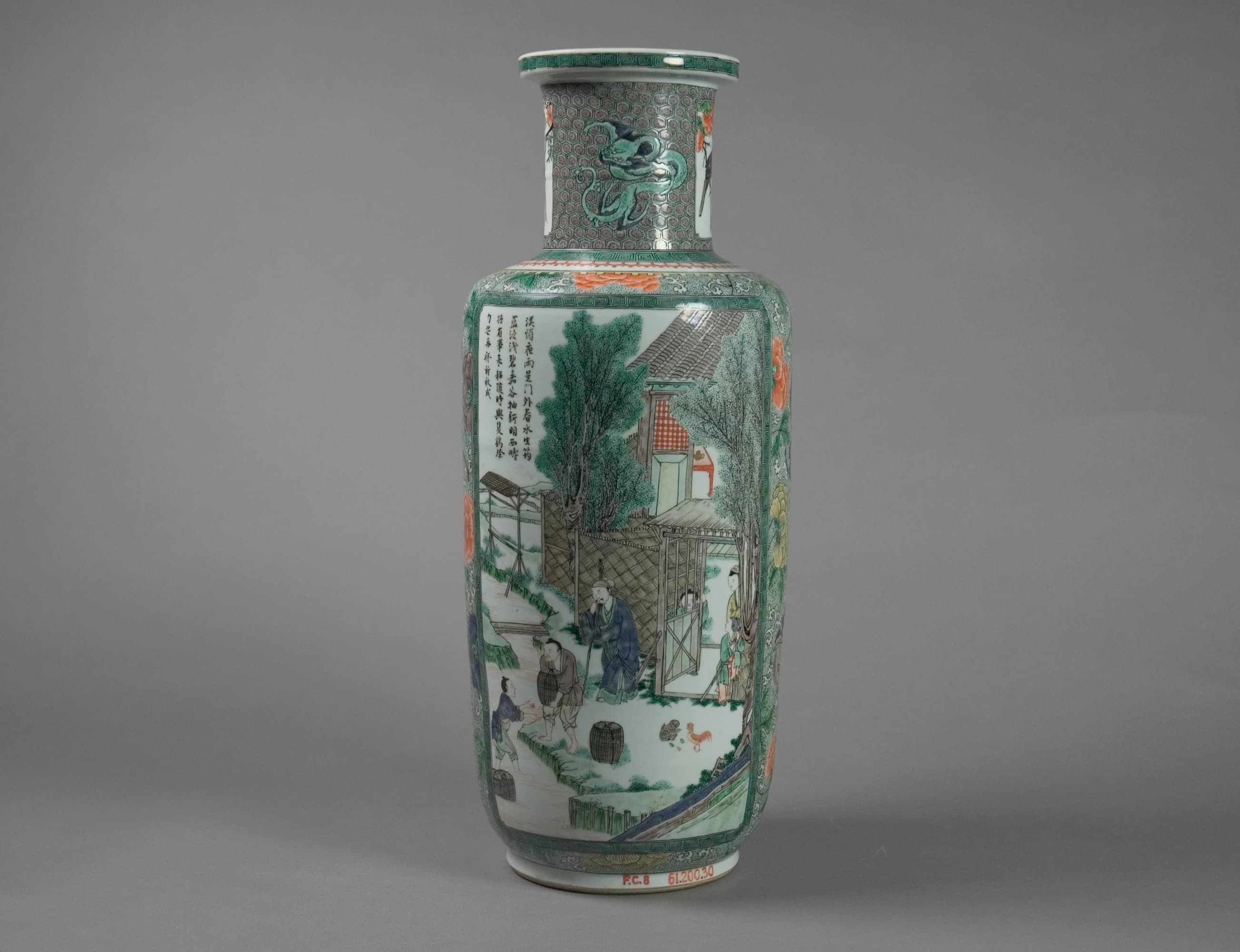
Weaving Legacy: Liang Shaoji and the Art of Silkworms
Liang Shaoji, whose death was announced last month, transformed silk thread into a line between nature and art. His practice illuminates the silkworm not as a motif but as a collaborator, reframing authorship itself.
The Future of Art Collecting: Adapting to the Digital Age
Online auctions and evolving consumer behaviors are reshaping how art is valued and acquired in the digital era.
Art in the Arena of Political Discourse
Artists are reshaping political conversations, questioning systems of power and identity in real time through installations, performances, and digital platforms.