
Decoding the Past: How Technology is Transforming Art Conservation
Hidden images in John Singer Sargent’s work and digital reconstructions of ancient artifacts highlight the evolving synergy between art and technology in conserving cultural heritage.
In 2018, conservators at the Museum of Fine Arts, Boston, noticed faint traces beneath the surface of John Singer Sargent’s 1885 painting Portrait of Madame X (Madame Pierre Gautreau). Using infrared reflectography, they uncovered an earlier version of the composition where Madame X’s arm extended downward rather than resting on a table. The discovery not only shed light on Sargent’s creative process but also reignited debates about artistic intent and public reception.
Technological tools like infrared reflectography, X-ray fluorescence (XRF) spectroscopy, and multispectral imaging are now central to art conservation. They enable conservators to peer beneath layers of paint, varnish, and dirt without causing damage. Over the past decade, these methods have redefined how specialists maintain and interpret works of art. As Francesca Bewer, a conservation scientist at the Straus Center for Conservation and Technical Studies at Harvard Art Museums, explains, “Technology doesn’t just preserve artwork; it rewrites its history.”
A particularly transformative case occurred in 2020 when researchers at the British Museum collaborated with University College London to decipher inscriptions on an ancient Babylonian clay tablet (ca. 2,000 BCE). By employing 3D scanning and photogrammetry, they reconstructed the faintly eroded cuneiform into readable text. The tablet, catalogued as BM 92687, revealed unexpected details of administrative life during the Third Dynasty of Ur, including previously unknown trade practices. Such breakthroughs are emblematic of how digital technologies revive narratives hidden for millennia.
However, technological advancements are not confined to the analytical. Conservationists increasingly use digital fabrication and AI-enhanced modelling to guide physical restoration efforts. In the case of the 2022 Notre-Dame Cathedral fire, for instance, structural engineers turned to lidar scanning data collected prior to the disaster. These precise measurements, gathered in 2019 by the late architectural historian Andrew Tallon, informed the ongoing reconstruction by the French Ministry of Culture. Tallon’s scans, generated with millimetric accuracy, serve as both a blueprint and a time capsule of the cathedral’s Gothic splendour before the flames.
This embrace of technology is not without controversy. Critics argue that digital reconstructions, or the rerepresentation of hidden layers, risk overshadowing the original physical object. The late art historian James Elkins cautioned against "over-interrogating artifacts," warning that such techniques might lead to an emphasis on technical novelty over historical context. But defenders maintain that these innovations bring us closer to understanding the intentions and environments of artists, particularly in cases where traditional scholarship has reached its limits.
In contemporary conservation, the intersection of technology and ethics is acute. Institutions must balance the value of discovery with the integrity of the artifact. Take, for instance, the 2021 restoration of Rembrandt’s The Night Watch (1642) at the Rijksmuseum in Amsterdam. The museum opted for a public-facing, open laboratory format, streaming real-time analyses of the painting’s condition. This transparency invited global audiences to witness the decision-making process, from the application of spectral imaging to the discussion of solvent choices. Few exhibitions have so starkly demonstrated the evolving interface between technology, public engagement, and conservation ethics.
Yet, for all its promises, technology cannot usurp the hands-on expertise of skilled conservators. The restoration of Simone Martini’s Annunciation with St. Margaret and St. Ansanus (1333) at Florence’s Uffizi Galleries relied on both advanced XRF mapping and the manual application of gold leaf by a team led by Lucia Puddu. Puddu’s team adhered closely to the protocols recorded in the 14th-century treatise Il Libro dell’Arte by Cennino Cennini. This dual reliance—on technology and artisanal techniques—illustrates the nuanced demands of the field.
Much of the future lies in integrating conservation expertise across disciplines. Collaborative projects such as the Getty Research Institute’s Links to the Past initiative already merge archaeological, historical, and technical data to reconstruct ancient cityscapes virtually. Similarly, the Smithsonian’s Museum Conservation Institute employs AI algorithms to identify pigments in indigenous textiles, aiming to trace trade routes and cultural exchanges. Both examples underline how conservation is not merely about preserving the past but probing its unexamined dimensions.
The work is never finished. As Bever remarked, “Every new technology reveals something we couldn’t have imagined before.” With Sargent’s altered arm, a Babylonian merchant's ledger, or the Notre-Dame’s Gothic geometry, each revelation invites further questions: What else lies undiscovered? And how might these new insights reshape our narratives of history?
Art conservation today exemplifies a rich interplay of science, craft, and cultural stewardship. Whether unearthing forgotten brushstrokes or preserving endangered monuments, it demonstrates that the past is far more dynamic—and accessible—than we often assume.
- Portrait of Madame X (Madame Pierre Gautreau) — Museum of Fine Arts, Boston
- Cuneiform tablet, BM 92687 — British Museum
- Operation Night Watch — Rijksmuseum
- Annunciation with St. Margaret and St. Ansanus — Uffizi Galleries
- Links to the Past initiative — Getty Research Institute
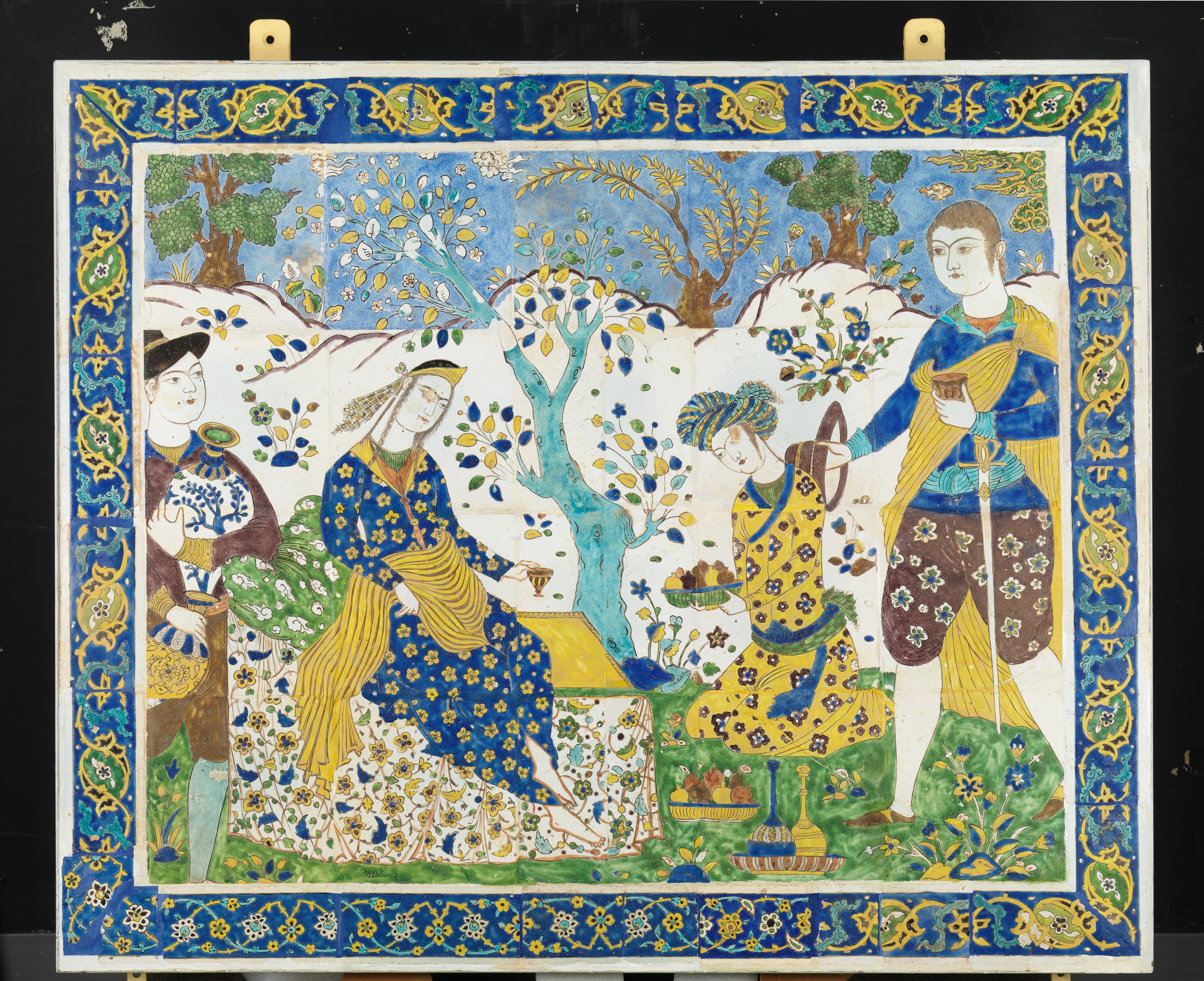
Craftsmanship Renewed: Traditional Techniques in Modern Design
In an era of mass production, contemporary designers are reasserting the importance of craftsmanship, merging time-honoured skills with modern aesthetics to create objects that resonate on personal and cultural levels.
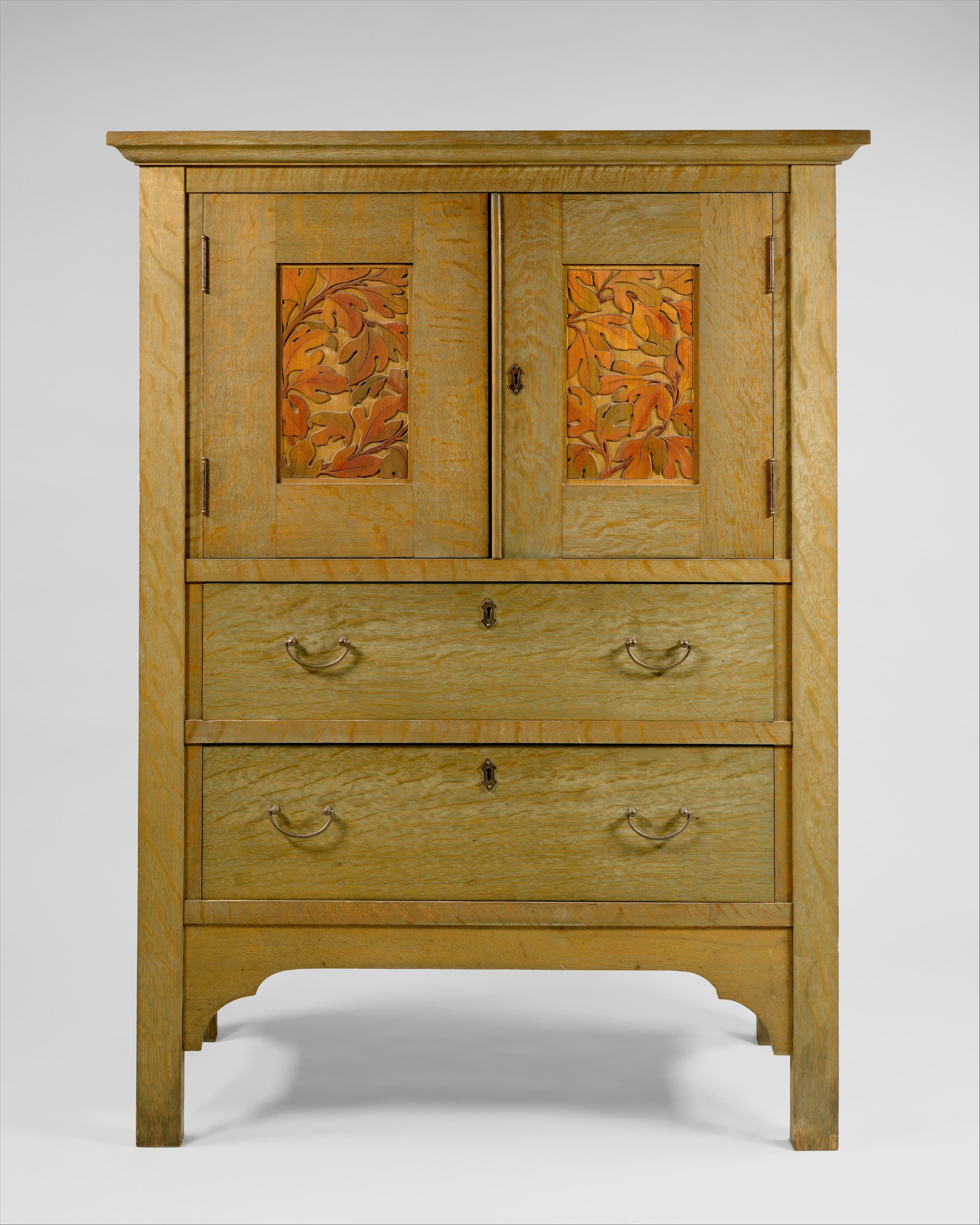
Crafting the Future: Innovations in Material Use and Design
Designers are pushing material boundaries while embracing sustainable crafts, offering a blueprint for future creative practices.
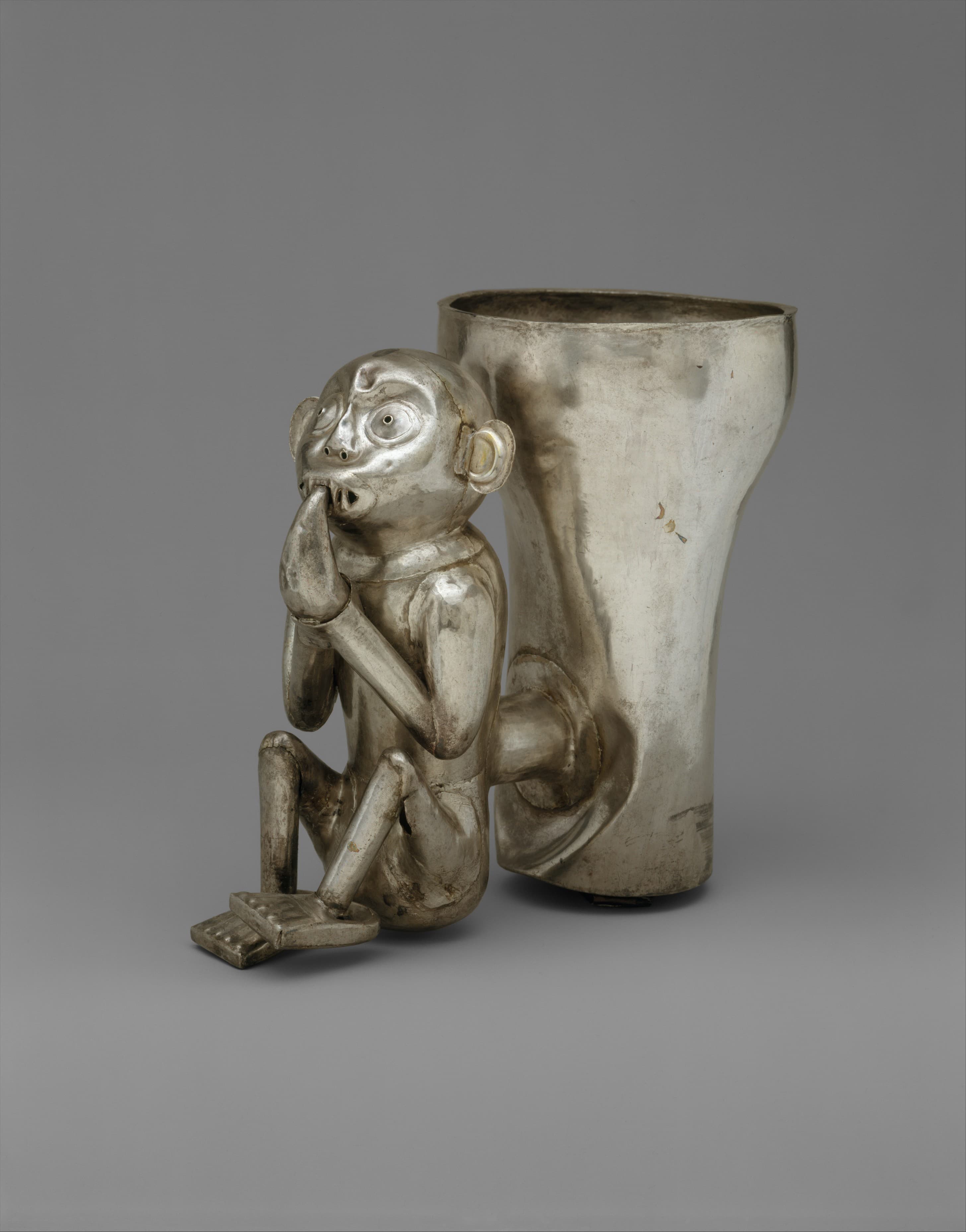
Radhika Chitalia and the Passport as a Vessel for Memory
Radhika Chitalia transforms her late father's passport into a tactile record of loss, reframing its pages as carriers of grief and remembrance.