Kiaf Seoul at 25: A Quarter-Century of Cultural Exchange
Kiaf Seoul marks its 25th anniversary with over 210 galleries, asserting its importance as both a hub for Korea’s contemporary art scene and a global meeting point for collectors and creators.
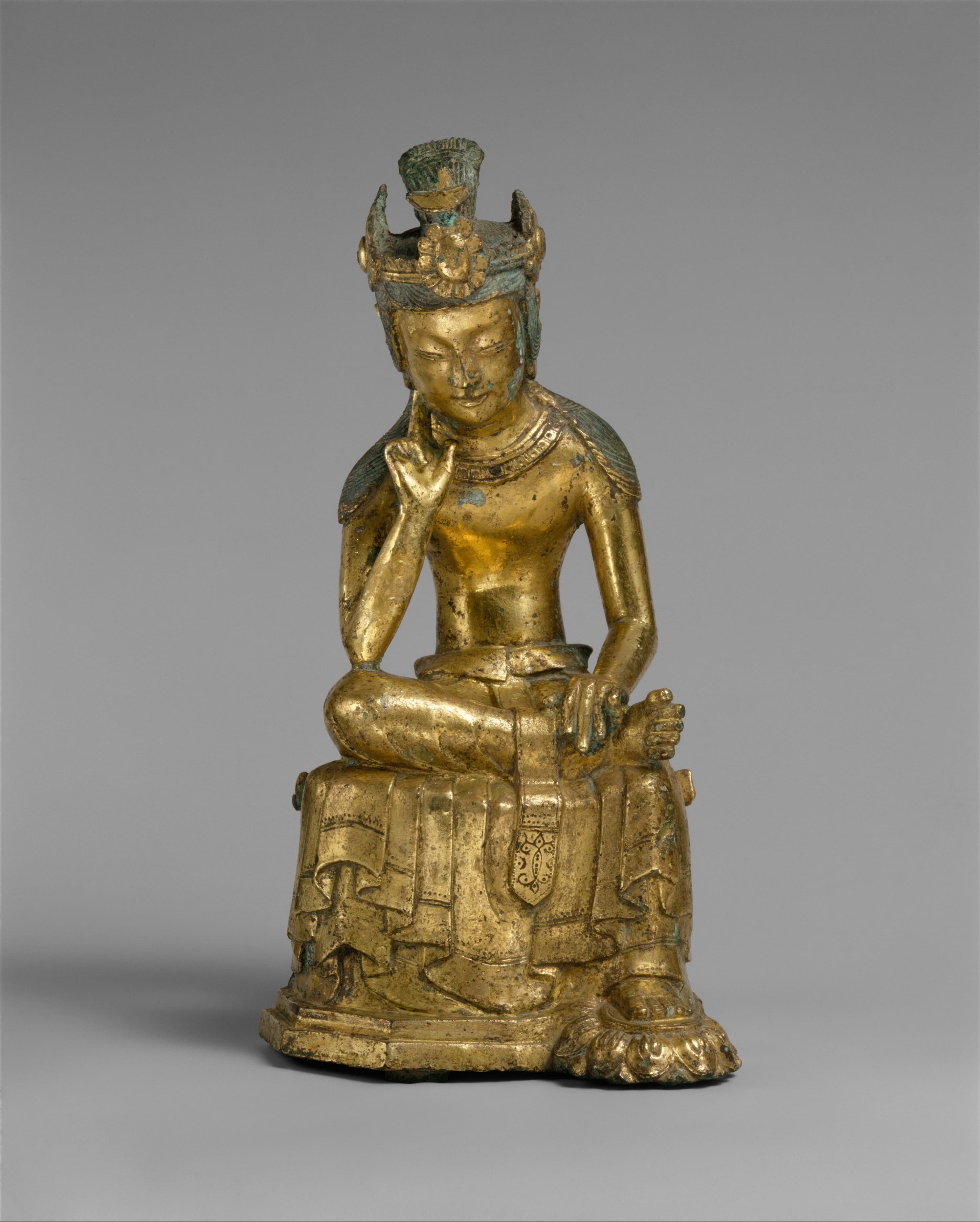
Kiaf Seoul returns to COEX in Gangnam from September 6–10, 2023, celebrating 25 years of cultural exchange. Initially featuring 31 galleries in 2002, it has expanded to 210 galleries from 20 countries. Organized by the Galleries Association of Korea, Kiaf is now integral to the region’s art market and global fair circuits.
Collector interest in Korea remains robust. Auction house sales exceeded 324 billion KRW ($240 million USD) in 2022, according to the Korea Arts Management Service. Kiaf Seoul significantly contributes to this growth, offering collectors and curators access to both emerging and established artists. This year's fair showcases domestic leaders like Gallery Hyundai and Kukje Gallery, alongside international names such as Perrotin and David Zwirner.
The fair fosters international dialogue, featuring many galleries from outside South Korea. Lee Jin-sook, Chair of the Galleries Association of Korea, remarked that Kiaf serves as "a bridge between Korea and the rest of the art world, where new cultural synergies can flourish." This year, Kiaf coincides with Frieze Seoul, further establishing Seoul as a dual-stage art market.
A highlight is the showcase of Dansaekhwa, a post-war Korean art movement known for monochromatic painting. Kukje Gallery presents works by Park Seo-Bo, whose _Ecriture_ series incorporates hanji (Korean mulberry paper) and blurs the line between painting and object. This focus on Dansaekhwa aligns with Kiaf’s mission to elevate contemporary Korean art within global narratives.
Kiaf Seoul also highlights emerging talent through its Future Artists sector. Sculptor Kang Seung Lee and digital artist Lee Kun-Yong are gaining recognition. The influence of NFTs is evident, with Superchief Gallery NFT returning for a third year, illustrating how technology reshapes art creation and collection.
The fair's impact extends beyond exhibitions. Educational programming includes discussions on the evolving role of art fairs post-pandemic, featuring Clare McAndrew, founder of Arts Economics. Her 2023 report identified Asia as the fastest-growing region for art sales. McAndrew’s insights connect with the fair’s sustainability focus, as galleries address climate themes through curated displays.
Kiaf Seoul’s success prompts reflection on the future of art fairs. Can regional fairs maintain their identity while pursuing global ambitions? How can Kiaf, rooted in South Korea’s culture, remain relevant in a crowded international calendar? These questions highlight ongoing industry debates as the art market balances physical and digital interactions.
Kiaf’s 25th edition provides immediate insights. By uniting diverse voices, it underscores the necessity of in-person engagement. Whether through Park Seo-Bo’s meditative strokes or the pixelated landscapes of NFT pioneers, the fair demonstrates that art fairs are vital for connection, critique, and cultural innovation.
- Kiaf Seoul Official Website — Kiaf
- Korea Arts Management Service — KAMS
- Art Basel and UBS Global Art Market Report 2023 — Art Basel
- Kukje Gallery Official Website — Kukje Gallery
- Gallery Hyundai Official Website — Gallery Hyundai
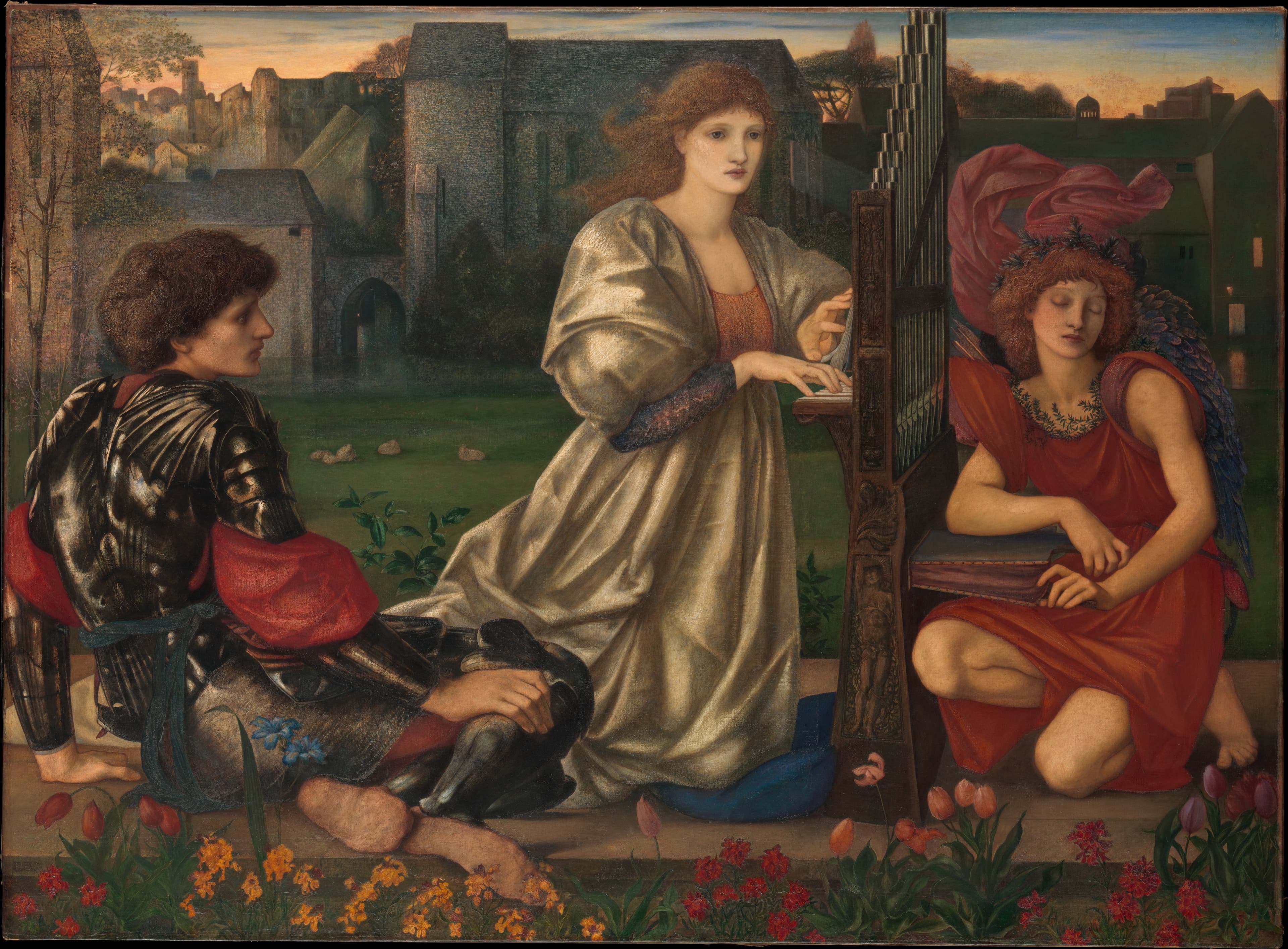
Cultural Narratives Reshaped in Contemporary Art
Artists like Marka27 and Isaiah Lee forge connections between personal identity and cultural heritage, challenging established ideas within contemporary art.
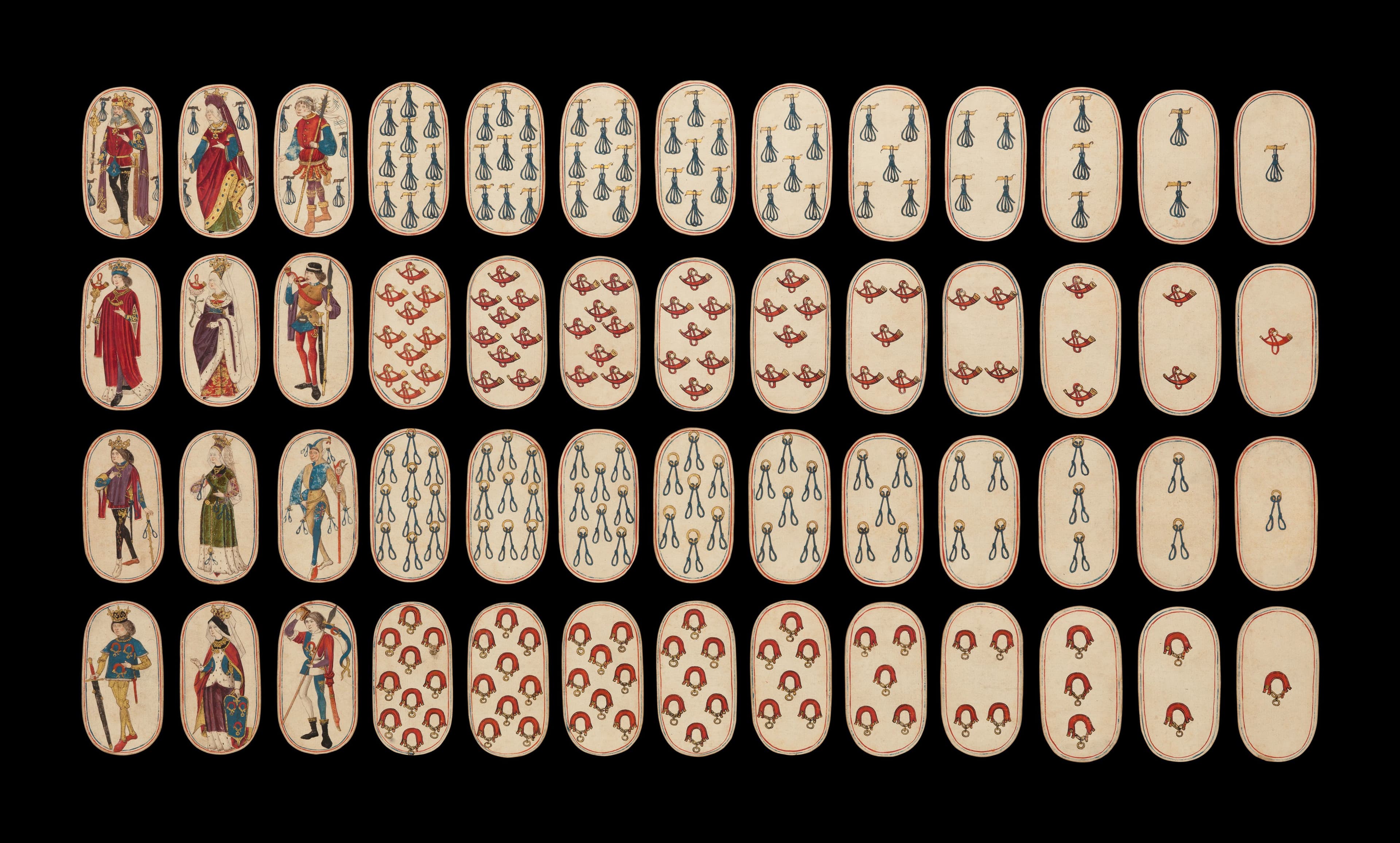
From Trading Cards to Rare Designs: Collectibles in Contemporary Art Markets
Collectibles blur the line between popular culture and fine art, reshaping perceptions of value in global markets.
Shifting Sands: Art Market Dynamics in 2023
From fractional sales to institutional bids, the evolving art market demands both artists and collectors adapt to new mechanisms of valuation and access.