
Museums and the Tensions of Colonial Restitution
The return of looted artifacts, such as Ghanaian gold, forces museums to confront their roles in colonial histories while rethinking their responsibilities to global audiences.
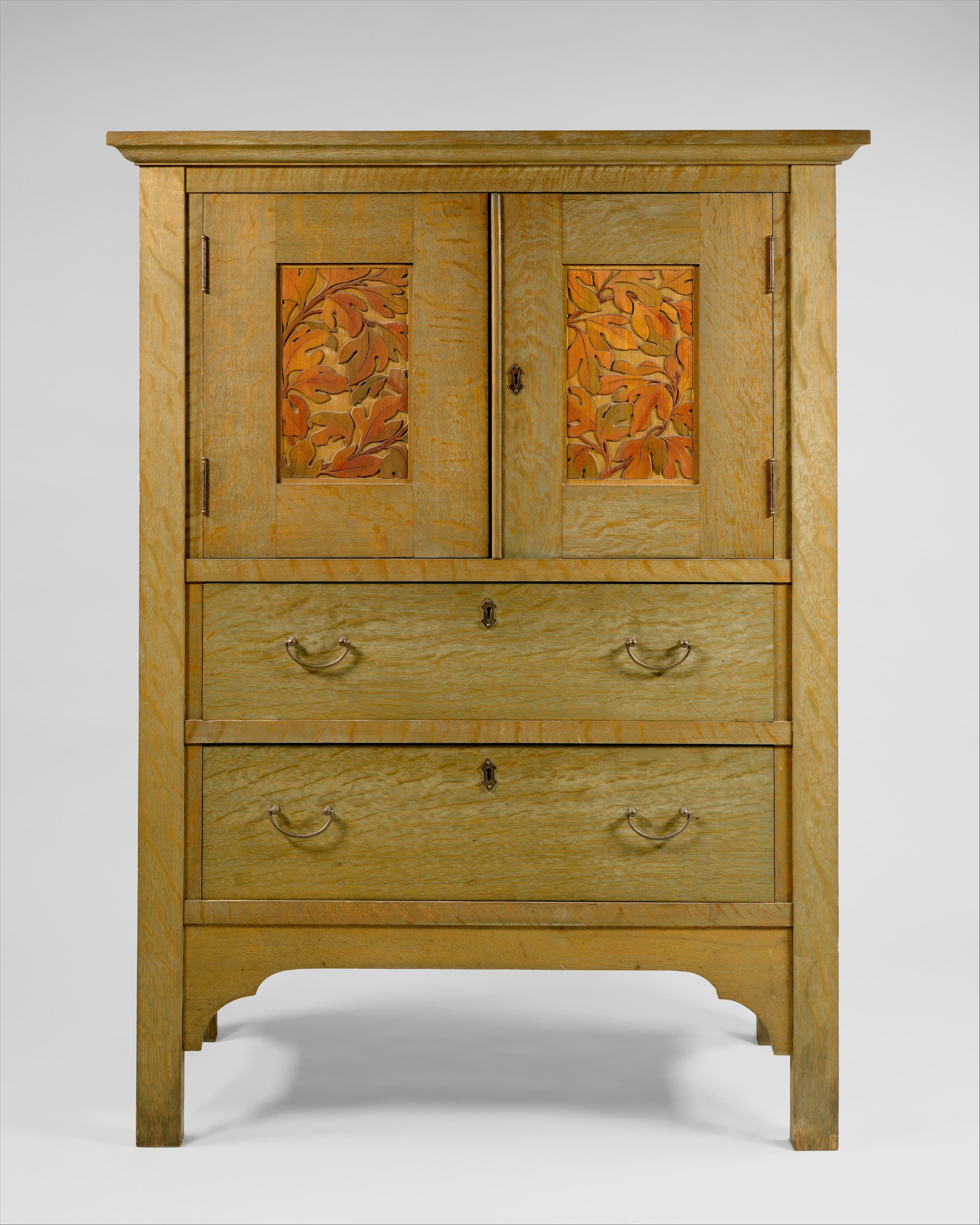
Gilded ceremonial regalia seized during Britain’s 1874 invasion of the Ashanti Empire remains scattered across institutions like the British Museum. Ghana has sought the return of these items since its independence in 1957. Recently, restitution negotiations have gained visibility as museum ethics shift under public scrutiny.
Kwame Opoku, a Ghanaian art historian and restitution advocate, describes the hoarding of these objects as a continuation of colonial violence. “The gold, as material and symbol, carries the weight of both appropriation and resistance,” he stated in a 2022 interview with Journal of Material Culture. His views align with the 2018 Sarr-Savoy report, commissioned by French President Emmanuel Macron, which recommended the unconditional return of African heritage from French museums.
Despite such endorsements, the process remains complex. Institutions often frame their holdings as custodial, a stance exemplified by a British Museum spokesperson earlier this year. “The value of these objects lies in their ability to tell shared stories of global culture,” they stated. Critics argue this narrative obscures the power imbalances that enabled colonial looting. The museum declined to comment on specific requests regarding Ghanaian gold.
The Ashanti regalia includes gold-covered stools and ceremonial swords, adorned with intricate motifs signifying lineage and authority. Their colonial removal severed connections to local contexts, vital for community governance and spiritual practice. In Accra, the National Museum of Ghana has attempted to reconstruct these histories with replicas, but curatorial staff face resource limitations. “What was taken cannot simply be replaced,” remarked Ama Asante, a conservator at the museum, at a conference in August. “Restitution is not only about the objects themselves but about the relationships and narratives they represent.”
Recent years have seen isolated successes. In 2021, Jesus College at the University of Cambridge returned a bronze cockerel to Nigeria, and in 2022, Germany transferred over 1,000 Benin Bronzes to Nigerian institutions. However, Ghanaian claims regarding gold have not gained similar traction, partly due to the metal’s market value and the complexities of tracing provenance. Some objects lack the clear institutional chain of custody necessary for legal restitution claims.
Private collectors represent another barrier. Sales of Ashanti artifacts at major auction houses, including Sotheby’s and Christie’s, persist despite rising ethical concerns. In 2014, a gold Ashanti bracelet fetched £22,500 ($28,300 USD) at Bonhams, with neither the auction house nor the seller disclosing how the item left Ghana. Such opacity fuels calls for stricter provenance requirements in the art market.
The Museum of African Civilisations in Dakar, Senegal, serves as a model for reintegrating African artifacts into their countries of origin. Opened in 2018, it collaborates with source communities to rebuild cultural continuity. While its collection features donations, loans, and restituted pieces, curators emphasize that provenance is about accountability as much as possession. “We’re not just receiving objects; we’re repairing histories,” noted its director, Hamady Bocoum, during a panel discussion earlier this year.
For institutions hesitant about permanent restitution, long-term loans have emerged as a compromise. The Rijksmuseum in Amsterdam is loaning colonial-era objects to various African museums as it investigates their provenance. Yet, critics like Opoku argue that such arrangements prolong the imbalance of control, positioning European institutions as arbiters of cultural access.
Legislative frameworks complicate restitution efforts. In the UK, the British Museum Act of 1963 restricts the permanent removal of objects from the collection. Proposals to amend or circumvent such laws remain stalled in Parliament. Meanwhile, France and Germany have passed laws to facilitate restitution, though implementation varies across institutions.
The question of who sets the terms for restitution remains unresolved. Ghanaian officials express readiness to receive and care for returned artifacts, but some Western curators cite capacity concerns. “It’s a paternalistic argument,” said Dan Hicks, a professor of contemporary archaeology at the University of Oxford, in a 2022 lecture. “It assumes that African institutions are somehow less equipped to interpret their own histories.”
Hicks’ critique highlights the deeper stakes of restitution debates—not merely ownership, but authority over heritage. As institutions confront colonial histories, discussions around Ghanaian gold may serve as a litmus test for the global museum community. The choices made today will shape future relationships between museums and the societies they claim to represent.
- Restitution of African Cultural Heritage — University of Birmingham
- Collecting and Collections — British Museum
- National Museum of Ghana — National Museum of Ghana
- Restitution Report 2021 — Restitution Report Project
- Museum of African Civilisations — Museum of African Civilisations

From Asylum to Dialogue: The Mind Museum's Adaptive Reuse
CF Møller Architects' redesign of a former psychiatric hospital into the Mind Museum prioritizes dialogue, memory, and community over institutional authority.
Inhotim at 20: Sustained Growth or Fragile Monument?
Brazil’s Inhotim celebrates its 20th anniversary as a global art destination. Yet, challenges of sustainability and succession loom over its sprawling gardens and pavilions.
Museums as Custodians of Cultural Memory: Recent Discoveries and Exhibitions
From restitutions to groundbreaking exhibitions, museums shape conversations on cultural identity and historical preservation in 2023.