
Reassembling Genius: The Codex Atlanticus at the Galileo Museum
The Galileo Museum's Leonardotheka 2.0 project reunites Leonardo da Vinci's fragmented Codex Atlanticus, revealing new insights into his prolific mind while underscoring the fragility and significance of historical manuscripts.
The Codex Atlanticus, a sprawling compendium of Leonardo da Vinci's notes and sketches, has lived a fragmented existence for much of its history. Originally assembled by the 16th-century sculptor Pompeo Leoni, the collection spans 1,119 large-format pages covering subjects as divergent as mechanical engineering, anatomy, and cartography. Its current form reflects centuries of dispersal and reorganization, with the bulk held since 1637 in Milan's Biblioteca Ambrosiana. Yet, the physical reunification of these pages has long been deemed impractical, if not impossible.
Enter the Galileo Museum in Florence. Its Leonardotheka 2.0 project, an ambitious digital initiative launched in 2020, seeks to bridge this gulf virtually. Utilizing high-resolution imaging and advanced restoration analytics, the project reassembles the Codex's contents in a cohesive digital archive. This allows scholars and the public alike to view the manuscript holistically, arguably for the first time since its creation. The museum unveiled the platform in October 2023, coinciding with the quincentenary of Leonardo's arrival in France.
"Digital reunification is not a substitute for the material artifact, but it offers a new mode of access," noted Maria Teresa Fiorini, the project lead and curator at the Galileo Museum. Fiorini emphasized that the virtual platform does not aim to restore the Codex to any hypothetical 'original' state—a term she describes as "anachronistic." Instead, it preserves the material's multi-temporal layers: Leoni's Renaissance bindings, 18th-century rebinding scars, and even the wear marks left by centuries of handling.
The Codex's fragmented history is emblematic of broader challenges in manuscript preservation. Besides the Ambrosiana's holdings, individual folios and pages have surfaced in private collections and auctions over the past century. A notable example is Folio 197r, which resurfaced in a Sotheby’s auction in 2002, fetching £1.3 million ($1.9 million at the time). Such dispersal underscores the urgency of initiatives like Leonardotheka 2.0, which aim to reconcile the Codex's scattered legacy without compromising the integrity of its parts.
The project also brings fresh interpretative opportunities. One highlight is Folio 61r, a schematic of a perpetual motion machine. Isolated, it appears as a standalone exercise in mechanical fantasy. Reintegrated into its original sequence, however, the drawing is contextualized alongside notes on fluid dynamics and planetary motion. This clustering suggests Leonardo's intent was less speculative than previously assumed, engaging with contemporary debates on mechanics and cosmology.
The initiative further aligns with a broader surge in digital preservation efforts. Institutions ranging from the British Library to the Vatican Apostolic Library have embarked on comparable programs. While digitization is not preservation in the traditional sense—no server has the longevity of parchment—it offers a form of redundancy that complements physical conservation.
Still, Leonardotheka 2.0 has its skeptics. "The danger of digital replication," wrote historian Anna Claudia Marini in a July 2023 editorial for Archivio Italiano di Storia dell'Arte, "lies in fostering illusions of access and wholeness. The Codex remains fragmented, its parts existing in disparate physical conditions, subject to juridical and geopolitical constraints." Marini stops short of dismissing the project outright, but she encourages a cautious application of its insights.
Physically, the Codex retains its home at the Biblioteca Ambrosiana, where its pages are displayed on rotation due to their vulnerability. The Ambrosiana has not yet joined Leonardotheka as a formal partner, though its director, Monsignor Alberto Rocca, acknowledges the platform's potential. In a joint statement with the Galileo Museum, Rocca emphasized that "digital reconstruction cannot substitute for physical proximity, but it can amplify it by offering wider interpretative frameworks."
The Codex Atlanticus serves as a reminder that historical manuscripts are not static relics but dynamic objects, shaped by and shaping their contexts. Projects like Leonardotheka 2.0 underscore the fragility inherent in this legacy. "We cannot recover the Codex as Leonardo saw it," Fiorini remarked at the platform's launch. "But we can create tools that help us approach his vision more closely."
The virtual reunification of the Codex Atlanticus is both an endpoint and a beginning. It reflects centuries of custodianship, from Leoni's workshop to digital laboratories, while opening new avenues for research. In its reconstructed form, the Codex challenges us to consider not only Leonardo's genius but also the intricate histories of preservation, loss, and recovery that surround his work.
- Museo Galileo Official Website — Museo Galileo
- Biblioteca Ambrosiana — Biblioteca Ambrosiana
- Sotheby's Auction Archive — Sotheby's
- *Archivio Italiano di Storia dell'Arte* — Archivio Italiano di Storia dell'Arte
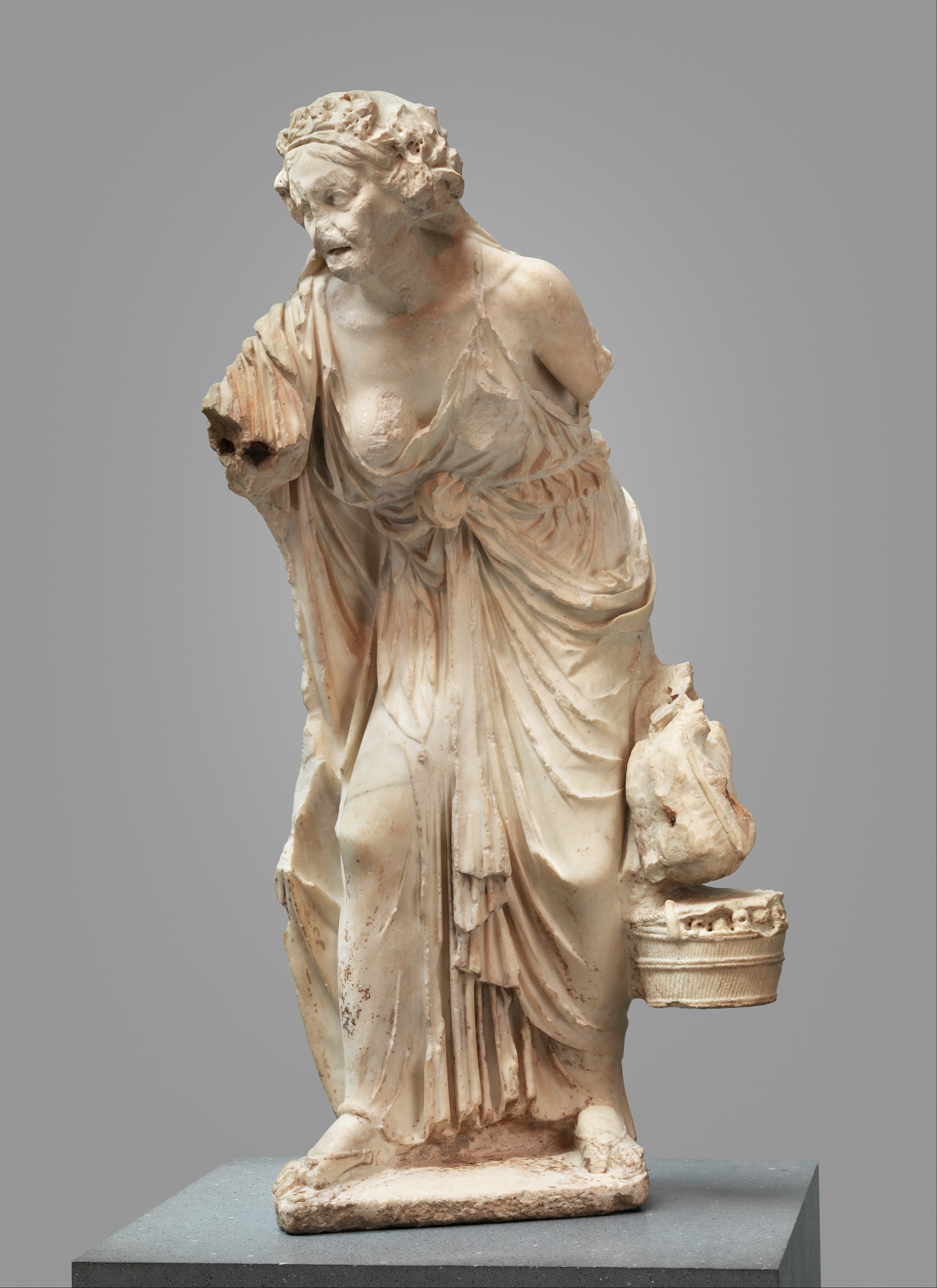
Evolving Spaces: Museums and Their Place in Modern Society
From community partnerships to activist programming, museums are rethinking their role in response to social and political shifts.

Art and Activism: How Museums are Shaping Social Change
Cultural institutions are reframing their traditional roles, using art as a lens and catalyst for addressing societal challenges.
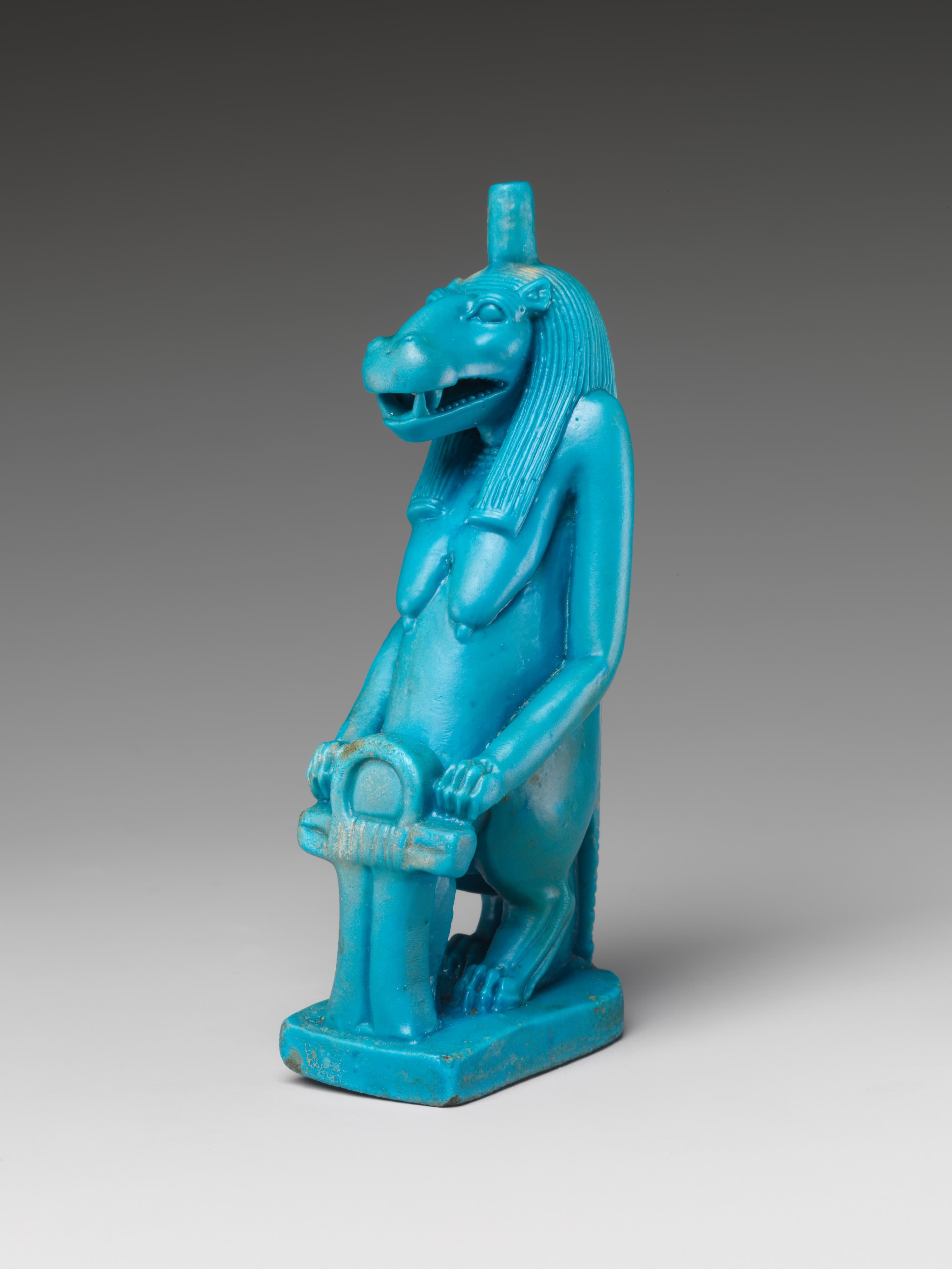
Redefining Museums: Accessibility and Engagement in the 21st Century
From tactile tours to street art festivals, museums today are rethinking their role in communities by prioritizing accessibility and fostering deeper connections with the public.