
The Future of Museums: Innovations, Challenges, and Representations
As museums navigate the demands of inclusivity, the Venice Biennale prompts crucial questions about who and what is centered in contemporary exhibitions.

A wall panel at the Venice Biennale has sparked more discussion than many of its pavilions. Tunisian artist Ahlam El Kharbichi's Abece della Storia Negata (2023) engages with 'histories left unwritten,' according to its curatorial notes. Installed in the Arsenale exhibition, it presents a grid of fictional book spines referencing erased narratives from colonial archives.
El Kharbichi’s panel sits at an uncomfortable juncture: celebrated for its concept yet criticized for its placement, which many felt relegated it to a 'footnote.' Scholar Dr. Safiya Nadira noted in her critique published in ArtForum that the piece's location undermines its thematic resonance. 'Museums and exhibitions,' Nadira writes, 'must contend with the spaces they give to systemic critique, as much as the works themselves.'
This critique aligns with ongoing discussions in museum practice about the balance between inclusivity and tokenism. El Kharbichi’s work reflects broader systemic questions. How does an institution—whether a global exhibition like the Biennale or a local museum—innovate beyond surface gestures? High-profile commissions often mask deeper inequities in funding, staffing, and decision-making.
The Museum of Modern Art (MoMA) in New York has taken bold steps to diversify its curatorial approach. Its 2019 rehang dissolved the traditional chronology of modernism, juxtaposing works by artists long excluded from the canon with those once considered central figures. The move was praised but faced pushback for a 'crisis of coherence.' Across the Atlantic, London’s Victoria and Albert Museum (V&A) launched the Culture in Crisis programme in 2020, aiming to amplify marginalized voices. Yet, three years on, its impact remains unclear: to what extent has it reconfigured internal decision-making structures?
Such shifts often meet resistance. A 2021 survey by the International Council of Museums documented that 42% of museum professionals cited 'institutional inertia' as the greatest barrier to implementing more inclusive practices. Funding, predictably, followed close behind, with many institutions reliant on donors or governments whose priorities diverge from decoloniality.
The Venice Biennale, with its considerable budget and global platform, might seem immune to these constraints. However, its controversies—most notably the 2022 decision to exclude several Global South pavilions due to 'logistical challenges'—suggest otherwise. Such exclusions reveal the fragility of inclusivity efforts when the underlying infrastructure is unprepared to sustain them.
Technological innovation has been championed as a remedy. Virtual reality and AI-driven curation have gained momentum, particularly post-pandemic, with institutions like the Smithsonian harnessing virtual platforms to widen access. Yet, as critic Aruna Joshi wrote in a Frieze essay last month, 'Access without equity is a hollow victory.' Digital tools might democratize viewership but do little to address who is creating, funding, or contextualizing the work shown.
Beyond technology, some institutions are attempting structural reforms. The Rijksmuseum’s landmark 2021 exhibition, Slavery, marked a turning point. Its research-led approach involved community advisory panels and rejected the neutrality of the curator's voice. Visitor numbers exceeded projections, but the enduring impact lies in its publication of a comprehensive database still freely available online. Similarly, the newly established Museum of Black Civilisations in Dakar, Senegal, operates on principles of restitution and localized authorship, challenging the Europe-anchored art historical framework.
Despite these promising steps, the art community faces entrenched challenges. Dr. Nadira’s critique of El Kharbichi’s Venice installation resonates because it exposes the fragility of a model that segregates works of critique into 'special projects' while the mainstream canon remains largely untouched.
For museums moving forward, the hardest questions remain structural. Are boards of trustees diverse enough to challenge tokenism? Do acquisition budgets prioritize works by underrepresented artists significantly, not symbolically? Are institutions prepared to confront the colonial histories of their own collections?
As audiences grow more discerning, institutions must contend with the reality that without systemic repair, innovation risks becoming a distraction. El Kharbichi’s oblique spines, each one a story erased, remind us: what is left unwritten is no less powerful than what is displayed. Museums and biennales alike still have far to go in addressing the disparities that persist below the surface.
- 2023 Venice Biennale Official Site — Venice Biennale
- Ahlam El Kharbichi’s ‘Abecedella Storia Negata’: A Critique — ArtForum
- Slavery Exhibition at the Rijksmuseum — Rijksmuseum
- 2021 Report: Inclusivity Challenges in Museums — International Council of Museums
- Equity vs. Access in Museum Technology — Frieze
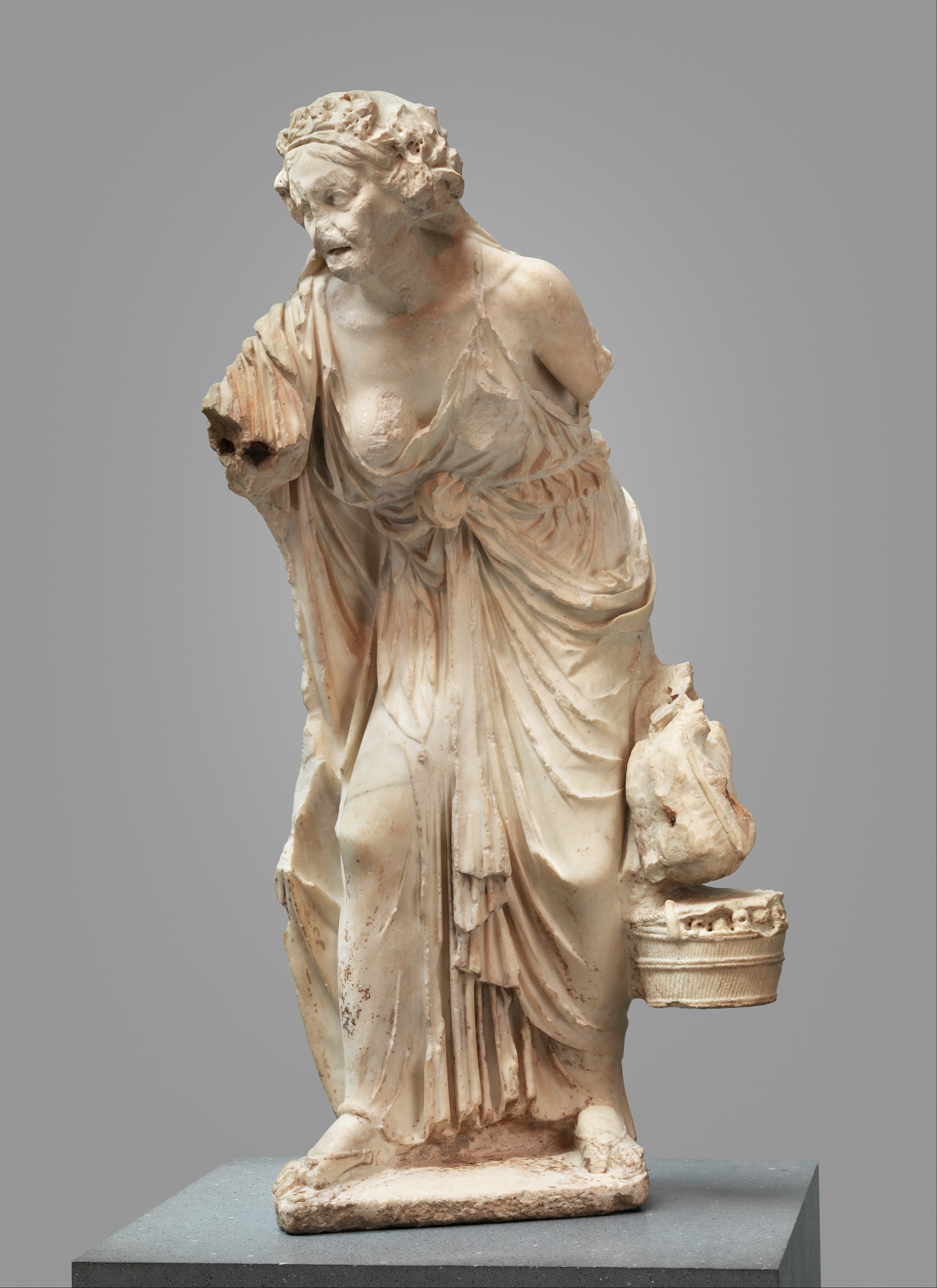
Evolving Spaces: Museums and Their Place in Modern Society
From community partnerships to activist programming, museums are rethinking their role in response to social and political shifts.

Art and Activism: How Museums are Shaping Social Change
Cultural institutions are reframing their traditional roles, using art as a lens and catalyst for addressing societal challenges.
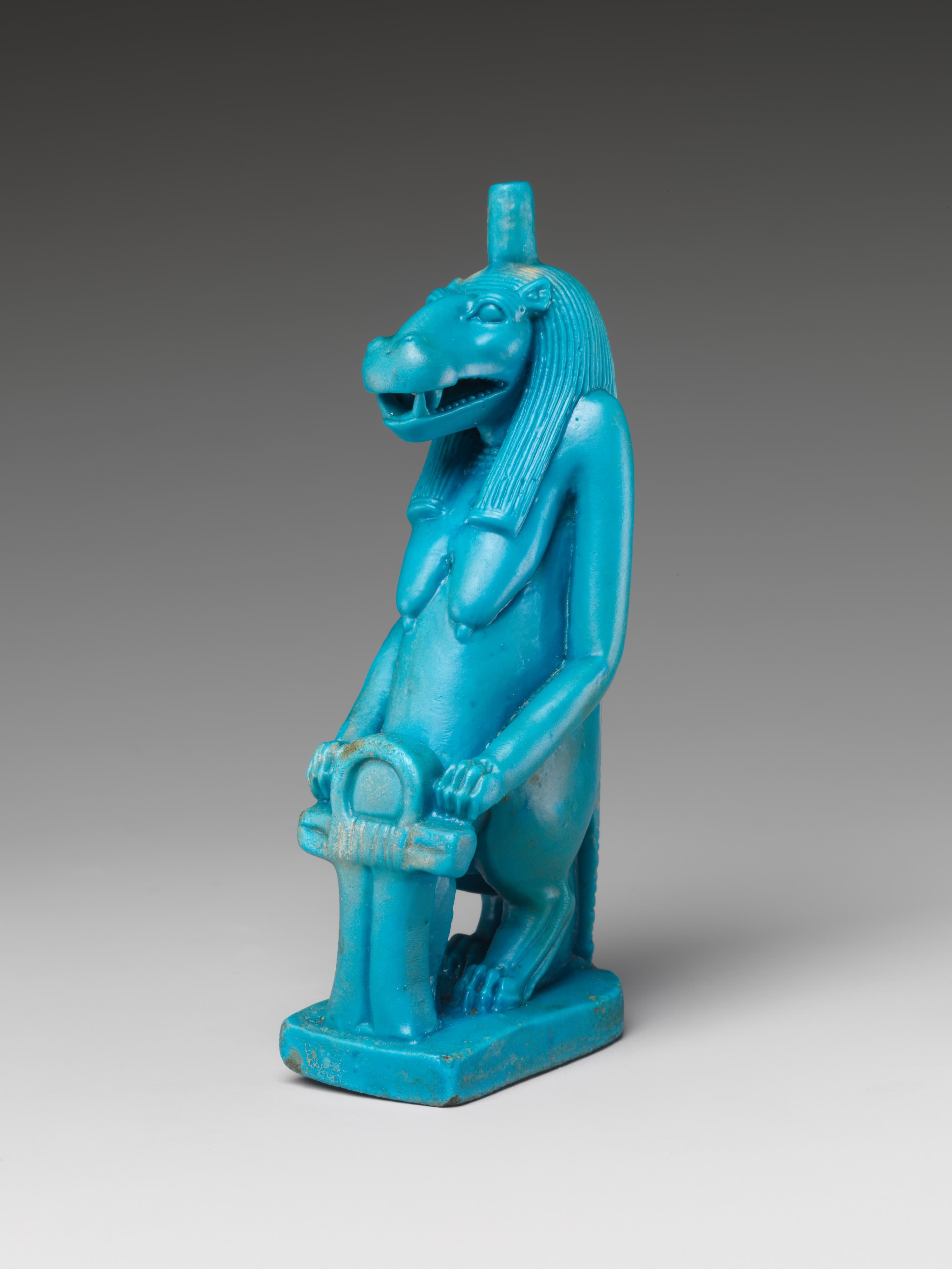
Redefining Museums: Accessibility and Engagement in the 21st Century
From tactile tours to street art festivals, museums today are rethinking their role in communities by prioritizing accessibility and fostering deeper connections with the public.