
The Obligations of Art Institutions in a Fractured Society
Museums and galleries face mounting calls to address societal challenges, compelling them to reconsider their programming, collections, and ethical frameworks.

In Room 9 of the British Museum, the Parthenon Marbles sit beside Peju Alatise's contemporary works. This arrangement raises questions about the provenance of antiquities and the societal role of art institutions. Alatise’s art, rich in themes of displacement and exploitation, confronts visitors with uncomfortable truths.
Placing contemporary art alongside historical artefacts reflects a shift in museums. They increasingly tackle societal issues like racial inequality and climate change. Yet, the sincerity of this shift is often debated. Dr. Tonya Nelson, Director of Arts, Technology and Innovation at Arts Council England, stated, "Institutions must go beyond token gestures. They need to embed these conversations into their core, structurally and programmatically." Her remarks came during a panel discussion last July at the Whitworth Art Gallery in Manchester.
Some institutions recalibrate through acquisitions. Tate Modern’s 2022 purchase of Aliza Nisenbaum’s London Underground: Brixton Station & Victoria Line Staff signals a commitment to diversifying its collection. Nisenbaum's painting highlights overlooked transport workers during the COVID-19 pandemic, capturing individual dignity amid systemic neglect. Critics caution that such gestures risk being merely symbolic unless they lead to sustained engagement with underrepresented communities.
Programming has also become a battleground for relevance. The Solomon R. Guggenheim Museum’s 2019 exhibition Implicit Tensions: Mapplethorpe Now paired Robert Mapplethorpe's provocative photographs with new commissions by queer artists of colour. Curator Ashley James emphasized, "This was not a correction. It was an expansion of dialogue, recognising the voices Mapplethorpe’s work could not encompass." However, these efforts often provoke backlash from traditionalist audiences who prefer institutions to remain neutral, a stance long critiqued by scholars as inherently political.
Neutrality is particularly fraught regarding funding. In 2019, the Louvre removed the Sackler name from its Decorative Arts galleries following protests over the Sackler family's role in the opioid crisis. Similarly, the British Museum faces calls to end its association with BP, a longstanding sponsor. Campaign group Culture Unstained argues that such partnerships contradict the public mission of these institutions. Chris Garrard, the organisation’s director, asserted, "You can’t claim to educate on issues like climate while taking money from one of the world’s biggest polluters," in a September interview with The Art Newspaper.
The stakes extend beyond exhibitions and collections into how museums function as civic spaces. In May 2021, the Minneapolis Institute of Art (MIA) launched public programs addressing the aftermath of George Floyd’s murder. One initiative, focused on community dialogue, aimed to foster healing and understanding in a fractured society.
- Louvre removes Sackler name from galleries — The Art Newspaper
Museums as Custodians of Cultural Memory: Recent Discoveries and Exhibitions
From restitutions to groundbreaking exhibitions, museums shape conversations on cultural identity and historical preservation in 2023.

Beyond the Walls: Museums as Engines of Community Engagement
Cultural institutions are transforming from repositories of objects to active civic players, redefining their roles in diverse communities.
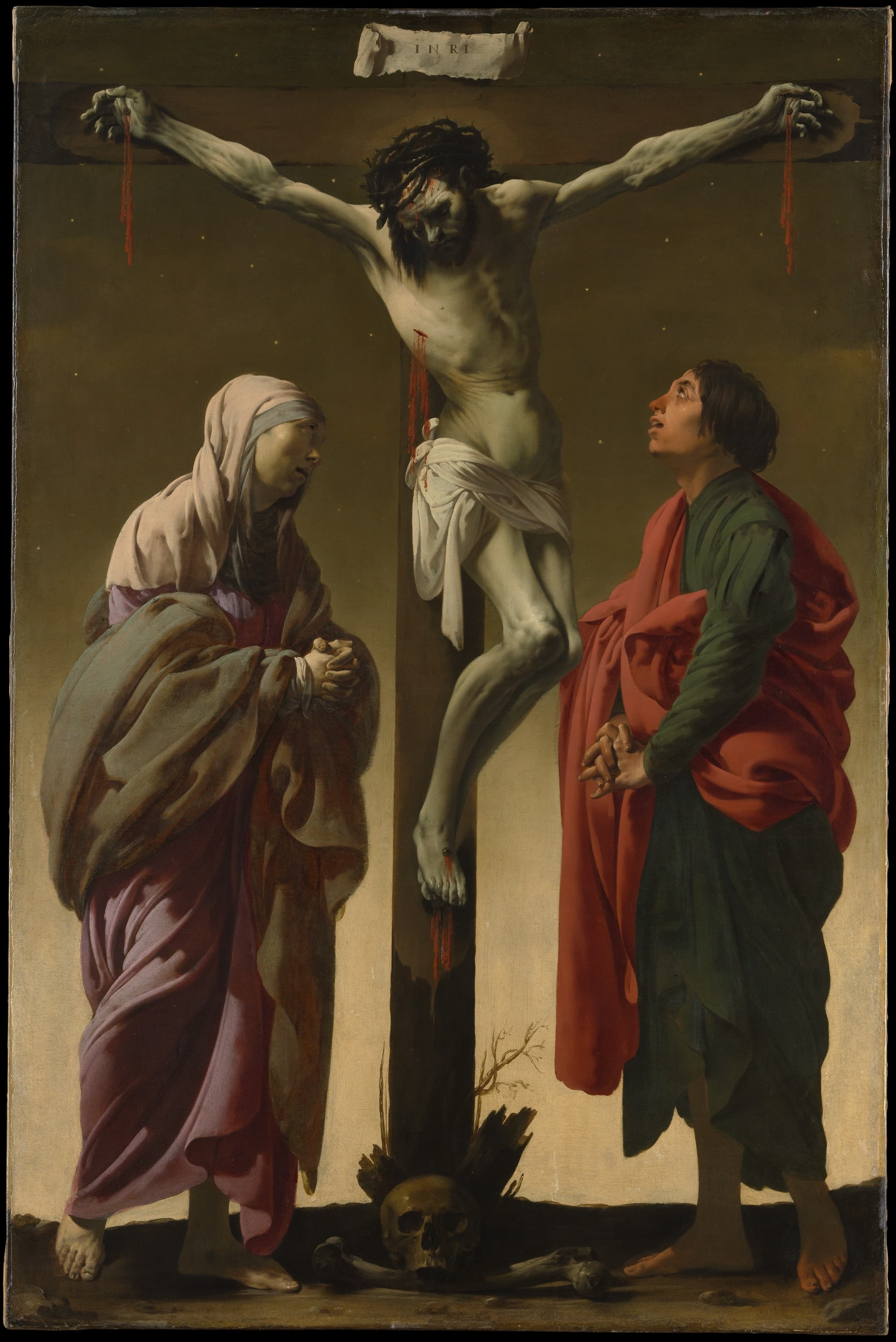
Reinterpreting the Past: Historical Narratives in Contemporary Exhibitions
Modern museums and galleries like Borusan Contemporary reshape historical narratives to engage contemporary art, creating frameworks that juxtapose tradition and innovation.