
The Phillips Collection and the Philanthropic Shift in Museum Funding
A record $15 million gift to the Phillips Collection underscores shifting philanthropic priorities in the arts, raising questions about the economic models of museums in the 21st century.
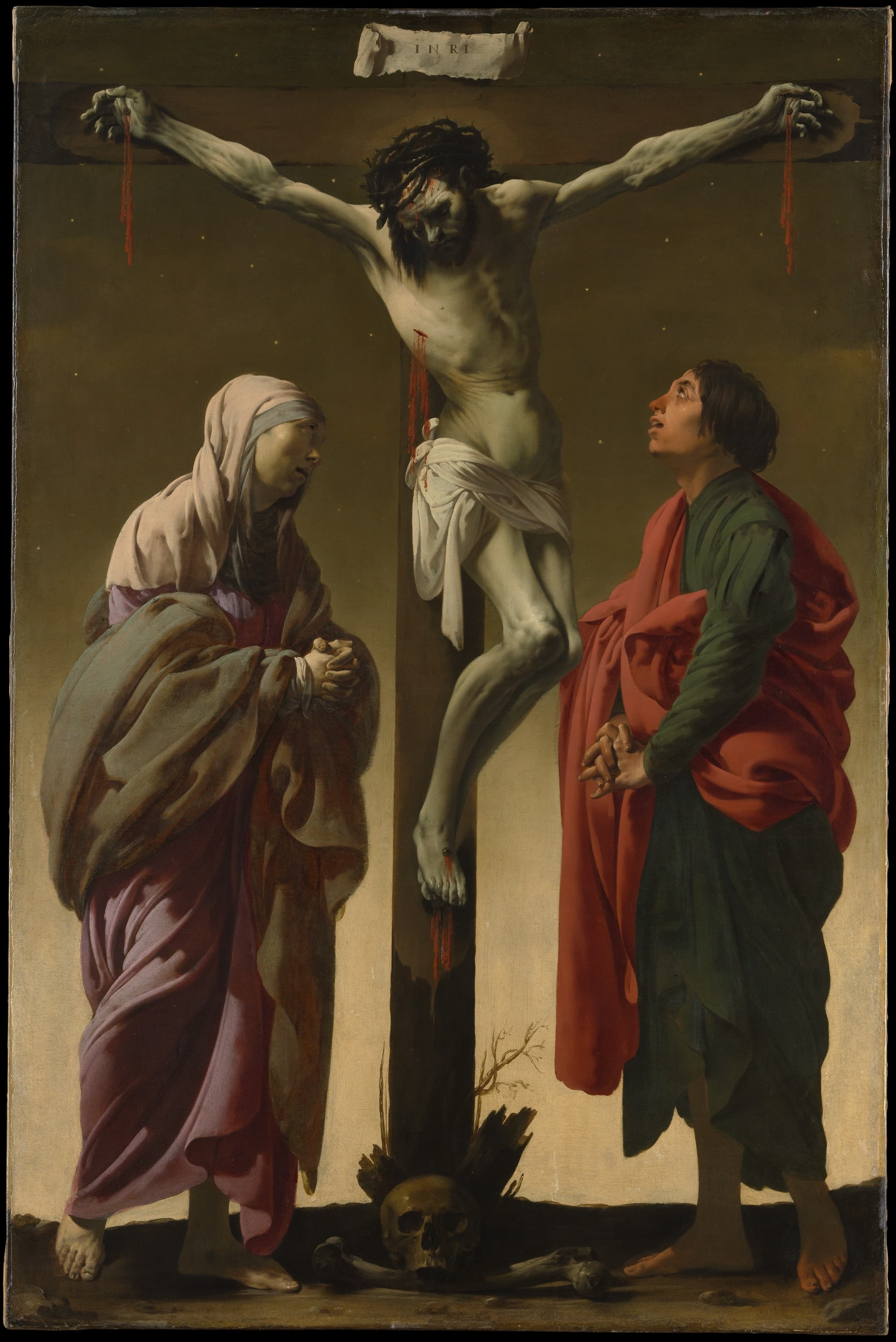
In September 2023, the Phillips Collection in Washington, DC, announced a $15 million donation from Lynne and Joe Horning, the largest in its history. This gift, aimed at endowment and operational support, marks a turning point for the museum, securing its financial health and reflecting a shift in the art world’s philanthropic landscape.
Founded in 1921 by Duncan Phillips, the Phillips Collection is America’s first museum of modern art. Its collection features works by Renoir, Rothko, and Georgia O’Keeffe, displayed in a converted Georgian Revival home. Over the past decade, the museum has balanced its commitment to modern art with expanded programming focused on contemporary practices, necessitating diverse funding streams.
Museum director Jonathan P. Binstock stated, “This transformational contribution ensures long-term stability and allows us to broaden our engagement with underserved communities.” Before this gift, the endowment was around $35 million. This donation highlights a cultural shift: high-profile philanthropy increasingly addresses systemic needs in arts funding.
Recent years have seen record-breaking donations to cultural institutions. In 2021, the Museum of Modern Art received $125 million from David Geffen, while the Smithsonian Institution benefitted from a $55 million bequest from Patricia O. Wilson. These gifts cement individual legacies and spark discussions about the reliance on private wealth to sustain public cultural assets.
James Smalls, professor of art history at the University of Maryland, noted, “On one hand, these donations enable museums to execute ambitious projects they might otherwise forgo. On the other, they underscore the volatility of museums’ financial dependence on individuals rather than robust public funding systems.” In the U.S., public arts funding lags behind European countries; for instance, Germany allocated €2.1 billion ($2.3 billion) in 2022, compared to the $207 million distributed by the National Endowment for the Arts.
The Hornings’ donation reflects their history of supporting cultural initiatives in Washington, DC. They previously contributed to the Smithsonian's Freer and Sackler Galleries and funded scholarships for emerging scholars at the University of Maryland. Lynne Horning emphasized their intent: “We wanted to secure the Phillips as a haven for artists and visitors alike—a place where art is accessible and transformative.”
Critics argue that large donations risk perpetuating inequities in the museum sector. Smaller institutions, often in rural or less affluent areas, struggle to attract mega-donors, leading to wealth concentration in urban museums like the Phillips, MoMA, and the Metropolitan Museum of Art.
Efforts to decentralize private arts philanthropy are gaining traction. Organizations like the Arts Funders Forum and the Mellon Foundation connect philanthropists with underfunded institutions. The Mellon Foundation’s Art Museum Futures Fund supports museums with operating budgets under $5 million, including the Museum of the African Diaspora in San Francisco.
Notably absent from the Phillips Collection’s announcement was a detailed allocation plan for the $15 million gift, raising questions about transparency in donor-institution relationships. While donors often specify how their contributions should be used, institutions must balance these pressures with their long-term missions. Without public accountability, relationships risk reinforcing perceptions of museums as beholden to the ultra-wealthy.
For the Phillips Collection, this donation arrives as the institution grapples with post-pandemic recovery. Like many museums, it faced revenue losses during closures, despite pivoting to virtual programming. Increased digital engagement has not offset the financial challenges posed by declining in-person attendance. Thus, the Hornings’ gift serves as both a lifeline and a reminder of the precarious position of arts institutions today.
The implications of this donation extend beyond the Phillips Collection. As museums navigate economic uncertainties, the role of private philanthropy will likely expand. However, this trend raises questions about sustainability and equity: Can a system reliant on sporadic mega-gifts adequately support diverse cultural needs? What responsibilities do donors have toward fostering not just celebrated institutions but also underfunded spaces?
While the $15 million may secure the Phillips Collection’s future, it highlights a pivotal tension in the museum world. The influx of private wealth offers opportunities for growth but foregrounds unresolved challenges of systemic inequities and governance. As institutions confront these dynamics, the cultural sector’s next chapter remains unwritten.
- About Us — The Phillips Collection
- National Endowment for the Arts Budget Overview — National Endowment for the Arts
- Art Museum Futures Fund — The Mellon Foundation
- Smithsonian Receives Largest Donations in History — Smithsonian Magazine
- Federal Culture Budget 2022 — Bundesregierung (German Government)
Evolving Spaces: Museums and Their Place in Modern Society
From community partnerships to activist programming, museums are rethinking their role in response to social and political shifts.
Art and Activism: How Museums are Shaping Social Change
Cultural institutions are reframing their traditional roles, using art as a lens and catalyst for addressing societal challenges.
Redefining Museums: Accessibility and Engagement in the 21st Century
From tactile tours to street art festivals, museums today are rethinking their role in communities by prioritizing accessibility and fostering deeper connections with the public.