
Traditional Crafts and Contemporary Design: A Sustainable Convergence
From hand-dyed fabrics to carved wood furniture, traditional craftsmanship informs modern design with sustainable practices, bridging heritage and innovation.

The chair in Galerie Philia’s Paris space exemplifies a growing movement in contemporary design. Its hand-carved cherry wood backrest, crafted by artisans from the Morvan region, contrasts sharply with sleek aluminium legs. This blend of traditional craftsmanship and industrial design marks a significant shift in the industry.
Traditional crafts are regaining importance as environmental concerns reshape design. French designer Noémie Lefranc, known for her use of natural pigments, states, "Craft is no longer nostalgic; it’s necessary." Collaborating with Atelier Couleurs d’Antan, a Provence-based studio, she employs pre-industrial dyeing recipes to create unique hues unattainable through synthetic methods. "These techniques inherently align with sustainability—not just in materials, but in respect for time and process," Lefranc explains.
Time is crucial to this revival. Crafts like Japanese urushi lacquerware require weeks of meticulous work. Designers such as Tokujin Yoshioka incorporate this labor-intensive medium into modern forms while avoiding traditional ornamentation. His Lacquered Border table series, showcased at the National Museum of Modern Art, Kyoto, reinterprets lacquer for minimalist spaces, leveraging its natural durability.
The market is responding. A 2022 report from the World Crafts Council shows a surge in interest for handmade goods among millennials and Gen Z, especially in Europe and East Asia. This demographic values the ethical transparency and storytelling inherent in traditionally crafted objects. Galleries like Friedman Benda and Carpenters Workshop Gallery now feature craft-focused designers, reflecting a shift in high-end design priorities.
However, blending old and new presents challenges. Cultural appropriation is a significant concern when designers draw from traditions outside their own. In 2021, Studio Formafantasma faced backlash for using Sicilian cart-painting motifs in their Cartography chair series without proper attribution. Critics argued that this diluted the craft's cultural significance for aesthetic purposes. Such situations emphasize the need for collaborative approaches, as seen with Agnes Studio, which co-designs with Oaxacan artisans and credits each collaborator.
Collaborations can succeed when founded on mutual respect. In 2022, fashion designer Cecilie Bahnsen teamed up with Vävstuga, a hand-weaving cooperative, to create a capsule collection of dresses from naturally dyed Swedish wool. The collection sold out in less than three weeks, demonstrating the market potential for slow craft paired with contemporary design.
Education is vital for merging these traditions with modern demands. Institutions like École Boulle in Paris and the Kyoto Institute of Technology are updating their curricula to teach both ancestral techniques and their applications in sustainable design. Sylvie Morel, École Boulle’s director, states, "Students see the relevance of these legacy crafts only when contextualized within urgent global issues, such as material waste reduction."
An unresolved question remains: can this revival scale without losing its integrity? Traditional crafts often rely on delicate ecosystems—both human and environmental. The production of cochineal dye, known for its vibrant reds, depends on the cultivation of prickly pear cacti in Mexico and Peru. Similarly, Murano glassblowing's future hinges on preserving skilled labor and Venetian sand sources. Designers must balance promoting demand with sustainable practices within limited resources.
As economic and ecological pressures rise, traditional crafts offer pragmatic production models—slow, deliberate, and local—that contrast sharply with globalized, high-speed supply chains contributing to environmental degradation. Whether this movement reshapes mainstream design or remains a niche practice, it has already shifted the conversation. In Lefranc’s words, "Craft isn’t the future of design; it’s how we remember what design should be."
- World Crafts Council Official Website — World Crafts Council
- Galerie Philia — Galerie Philia
- National Museum of Modern Art, Kyoto — National Museum of Modern Art, Kyoto
- Agnes Studio Official Website — Agnes Studio
- École Boulle Official Website — École Boulle
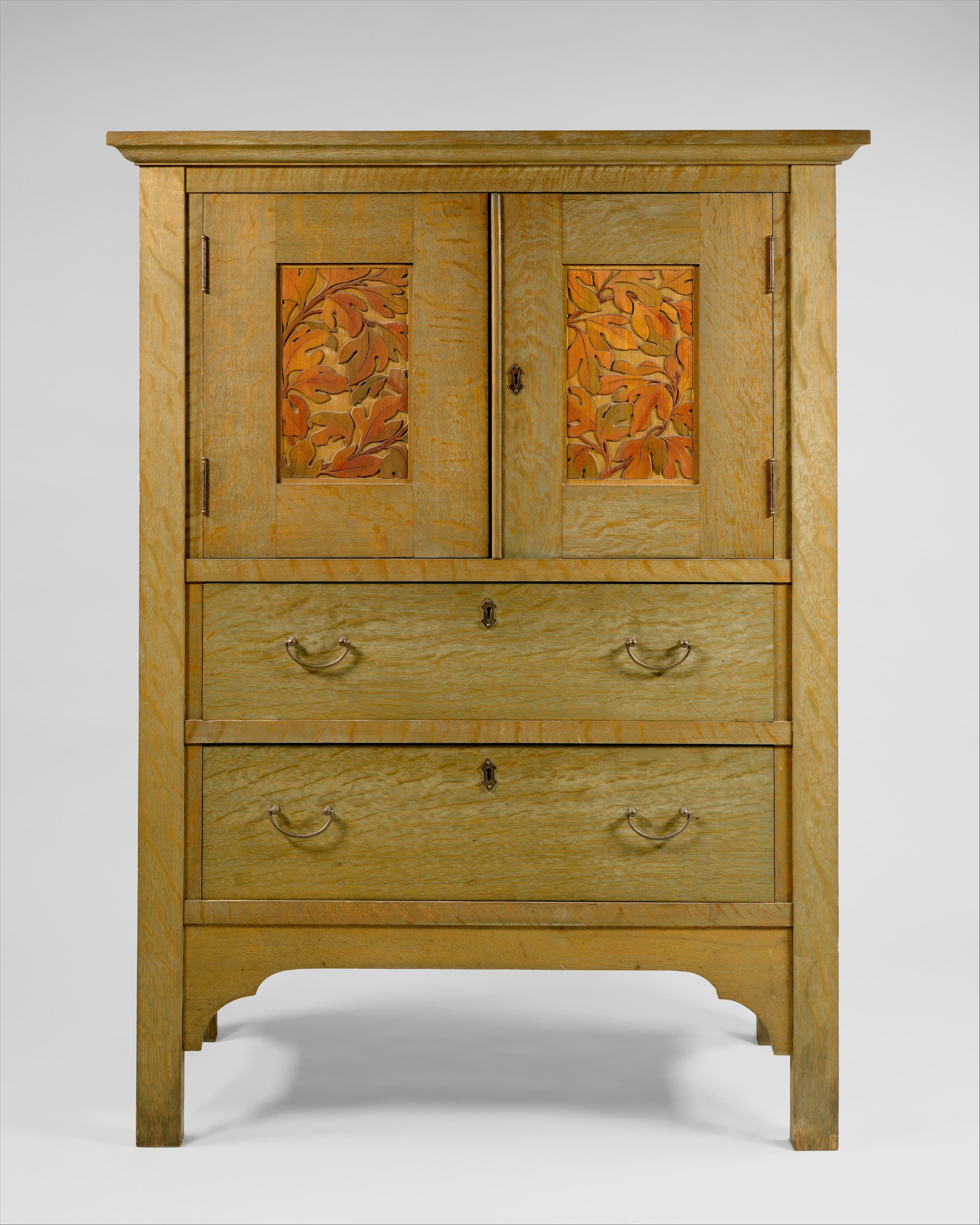
Crafting the Future: Innovations in Material Use and Design
Designers are pushing material boundaries while embracing sustainable crafts, offering a blueprint for future creative practices.

Radhika Chitalia and the Passport as a Vessel for Memory
Radhika Chitalia transforms her late father's passport into a tactile record of loss, reframing its pages as carriers of grief and remembrance.
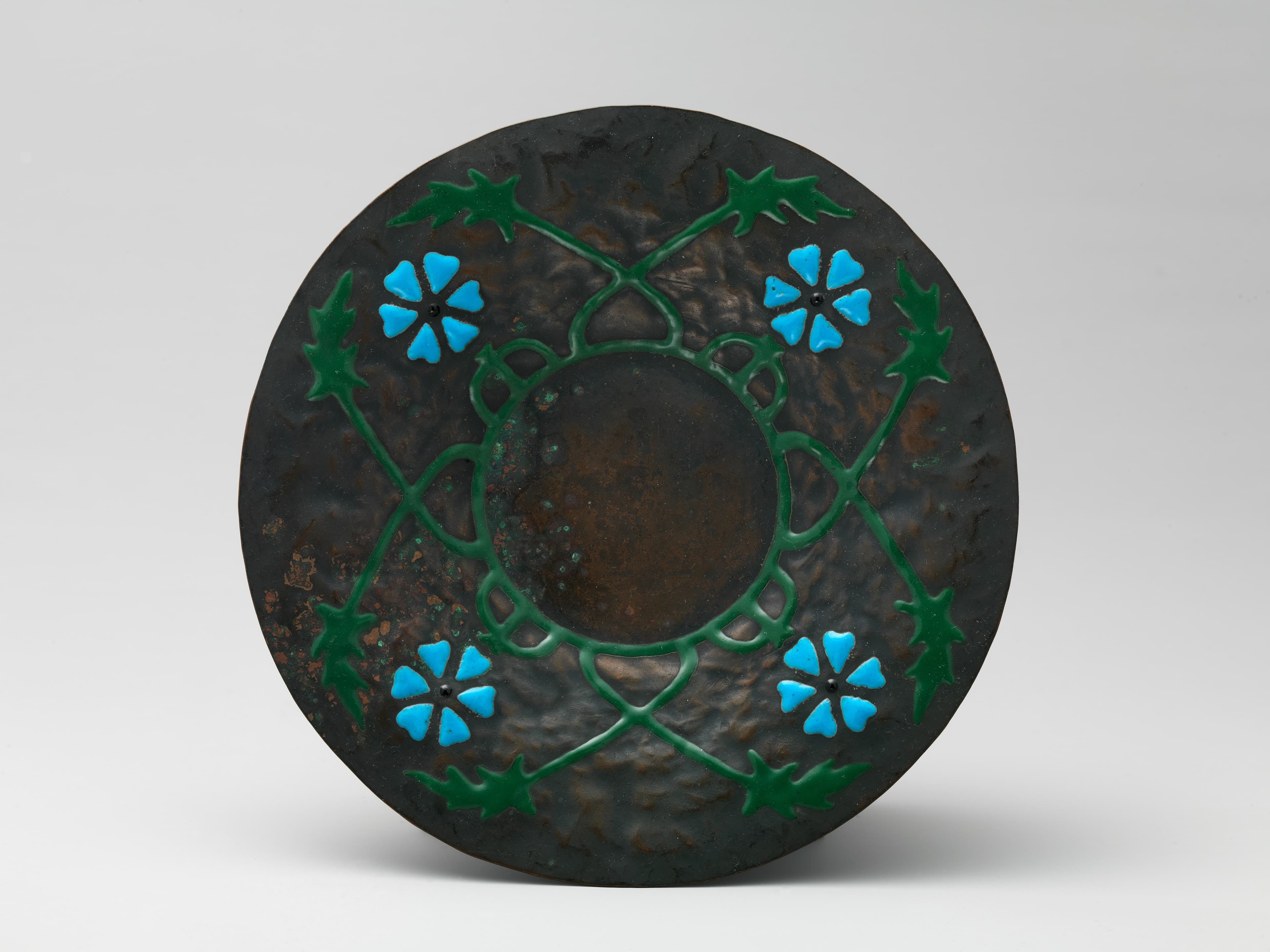
Crafting New Narratives: Traditional Techniques in Contemporary Art
Traditional techniques are shifting from preservation to innovation as contemporary artists use them to craft modern narratives.