
Pieced Histories: Contemporary Quilting as a Cultural Canvas
Black artists are reshaping quilting, intertwining fabric, identity, and heritage into layered narratives that confront history and affirm community.
In 2017, the Souls Grown Deep Foundation facilitated the acquisition of 57 quilts from the Gee’s Bend quilters by the Fine Arts Museums of San Francisco (FAMSF). Among them was Mary Lee Bendolph’s work Housetop—Nine-Block Variation (2002), a geometric composition in corduroy and denim that draws on a quilting tradition spanning more than a century. Bendolph's quilt is not only an object of craft but also an intimate document of survival, creativity, and Black Southern identity.
Quilting in the contemporary art world, long dismissed by critics as ‘decoration,’ is emerging as a medium that conveys complex narratives. Artists like Bisa Butler and Sanford Biggers have expanded its linguistic potential, using fabric as their primary language to explore Black identity, systemic injustice, and communal memory. Butler’s The Storm, the Whirlwind, and the Earthquake (2020) reinterprets a 19th-century photograph of abolitionist Frederick Douglass into a vibrant portrait made of African wax prints and velvet, now housed in the Smithsonian National Museum of African American History and Culture. Biggers, for his part, incorporates vintage quilts into multimedia works, embedding them with symbolic meanings derived from African textiles and coded messages of the Underground Railroad.
“Quilts are historical records,” says Dr. Carolyn Mazloomi, founder of the Women of Color Quilters Network, in an interview with the American Craft Council. “They document the lives of the makers and the communities they represent.” Mazloomi’s own work often references African American migration and the resilience of Black women. Her piece Hidden Talisman (2019), for instance, juxtaposes metallic thread embroidery with West African adinkra symbols, blending ancestral motifs with narratives of displacement.
The resurgence of quilting within contemporary discourse owes much to its accessibility. Unlike oil painting or bronze casting, quilting is rooted in domestic spaces and communal practices. This democratization of the medium allows artists to reinterpret traditions through a personal lens without the constraints of institutional gatekeeping. At the same time, these quilts, often misclassified as folk or outsider art, challenge the boundaries of what is considered ‘fine art.’
Gee’s Bend, a small, predominantly Black community in Alabama, exemplifies the cultural tensions embedded in quilting. The quilts produced there since the 19th century—frequently made from repurposed materials like feed sacks and work clothes—gained global attention through the 2002 exhibition The Quilts of Gee’s Bend at the Whitney Museum of American Art. Yet, as scholars such as Glenn Adamson have noted, the commercial success of Gee’s Bend quilts has often overshadowed their political context. The quilters, descendants of enslaved people, used their work to carve out spaces of autonomy and solidarity in a segregated South.
Contemporary Black quilters are now revisiting these legacies, embedding historical critique into their designs. For example, Chawne Kimber, a mathematician-turned-quilter, uses the medium to confront systemic racism. Her quilt Cotton Sophisticate (2017) juxtaposes a minimalist grid with stitched text that reflects on the violent history of cotton production in America. Kimber’s approach transforms quilting into a form of protest art, placing it in dialogue with movements such as Black Lives Matter.
Institutions are finally catching up. The International Quilt Museum in Lincoln, Nebraska, for instance, hosted the 2021 exhibition Uncovering Black Stories, which foregrounded works by Black quiltmakers from the 19th century to the present. Meanwhile, galleries like Claire Oliver in Harlem, which represents Butler, are actively reshaping how quilting is viewed in the art market. Butler’s works, often priced upwards of $100,000, challenge the notion of quilting as a ‘domestic’ craft.
However, few critical institutions have fully grappled with the intersections of gender, race, and labour inherent in quilting. As Mazloomi points out, the invisibility of the Black female quilter in mainstream art history reflects larger patterns of exclusion. “Our stories have always been there,” she says. “But it’s the institutions that chose to look away.”
This oversight is particularly striking given the tactility of quilting. Unlike other forms of media, a quilt demands proximity; its construction requires the maker to touch every inch of fabric. This intimacy, combined with the time-consuming process of hand-stitching, imbues the finished work with a corporeal presence. As Kimber explains, “Quilting is inherently personal. Each thread is an extension of the maker’s hand.”
The dialogue between past and present is perhaps most visible in the materials used. Cotton, historically tied to slavery in the United States, reappears in contemporary quilts. In Butler’s portraits, it serves as both medium and message, reinforcing the connection between textiles and the labouring bodies that produced them. Similarly, Biggers’s use of repurposed quilts evokes the resilience of Black communities, transforming objects of utility into canvases of resistance.
What remains unresolved is whether quilting will retain its distinct voice as it becomes further enmeshed in the commercial art world. Will its narratives be diluted, absorbed into broader trends of commodification? Or will the artists driving its resurgence continue to assert its specificity as a medium of cultural affirmation?
In 2024, Bendolph's Housetop—Nine-Block Variation will return to public view as part of the FAMSF’s upcoming exhibition Patchwork Voices: Quilting as Radical Memory. The exhibition promises to highlight works that stitch together histories of oppression and survival. As quilting persists in challenging the boundaries of art and craft, it reminds us that every thread carries a story—unfinished, yet enduring.
- *The Storm, the Whirlwind, and the Earthquake* by Bisa Butler — Smithsonian American Art Museum
- Acquisition of 57 Quilts from Gee's Bend — Souls Grown Deep Foundation
- A Conversation with Dr. Carolyn Mazloomi — American Craft Council
- *The Quilts of Gee's Bend* Exhibition — Whitney Museum of American Art
- *Uncovering Black Stories* Exhibition — International Quilt Museum
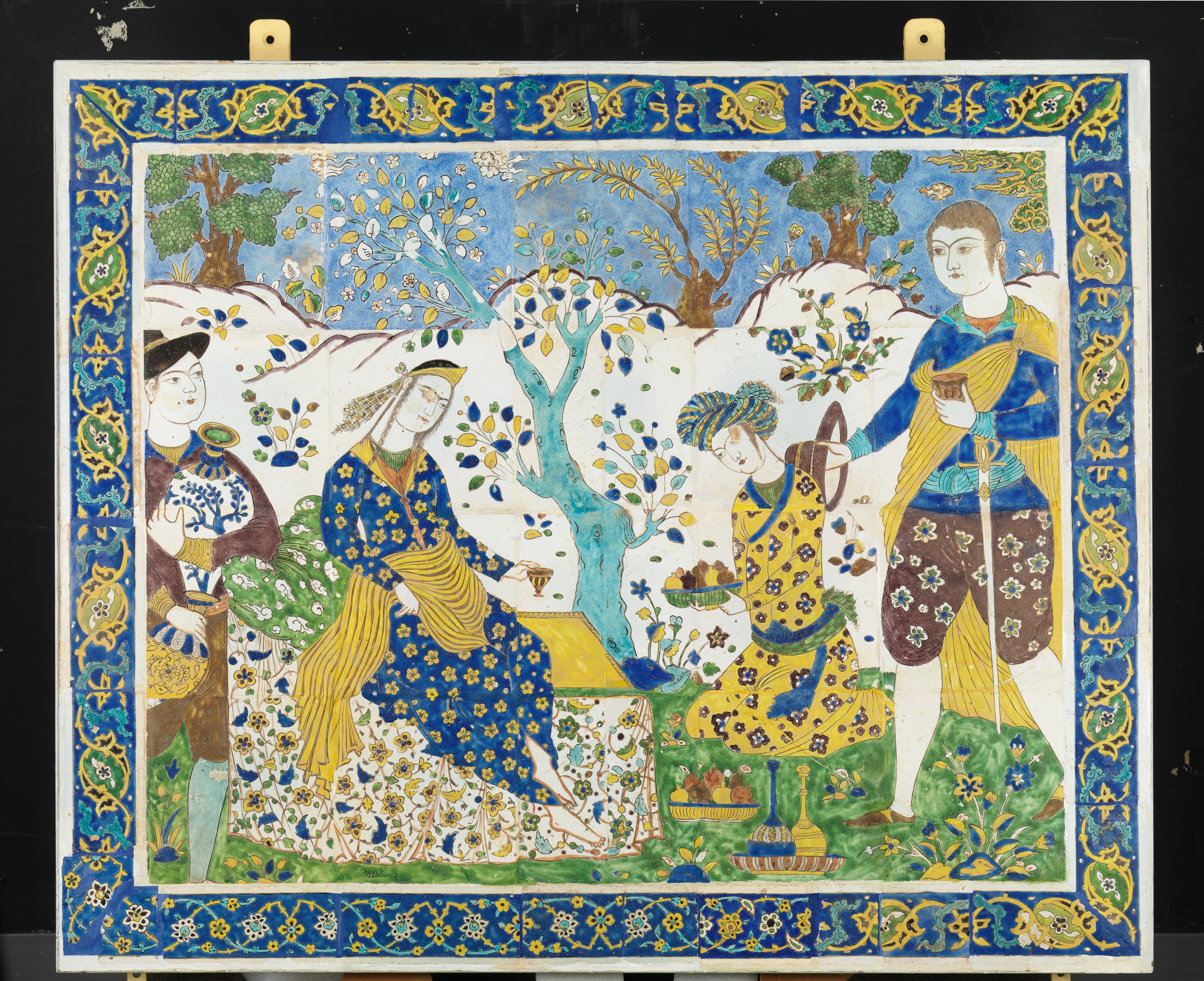
Craftsmanship Renewed: Traditional Techniques in Modern Design
In an era of mass production, contemporary designers are reasserting the importance of craftsmanship, merging time-honoured skills with modern aesthetics to create objects that resonate on personal and cultural levels.
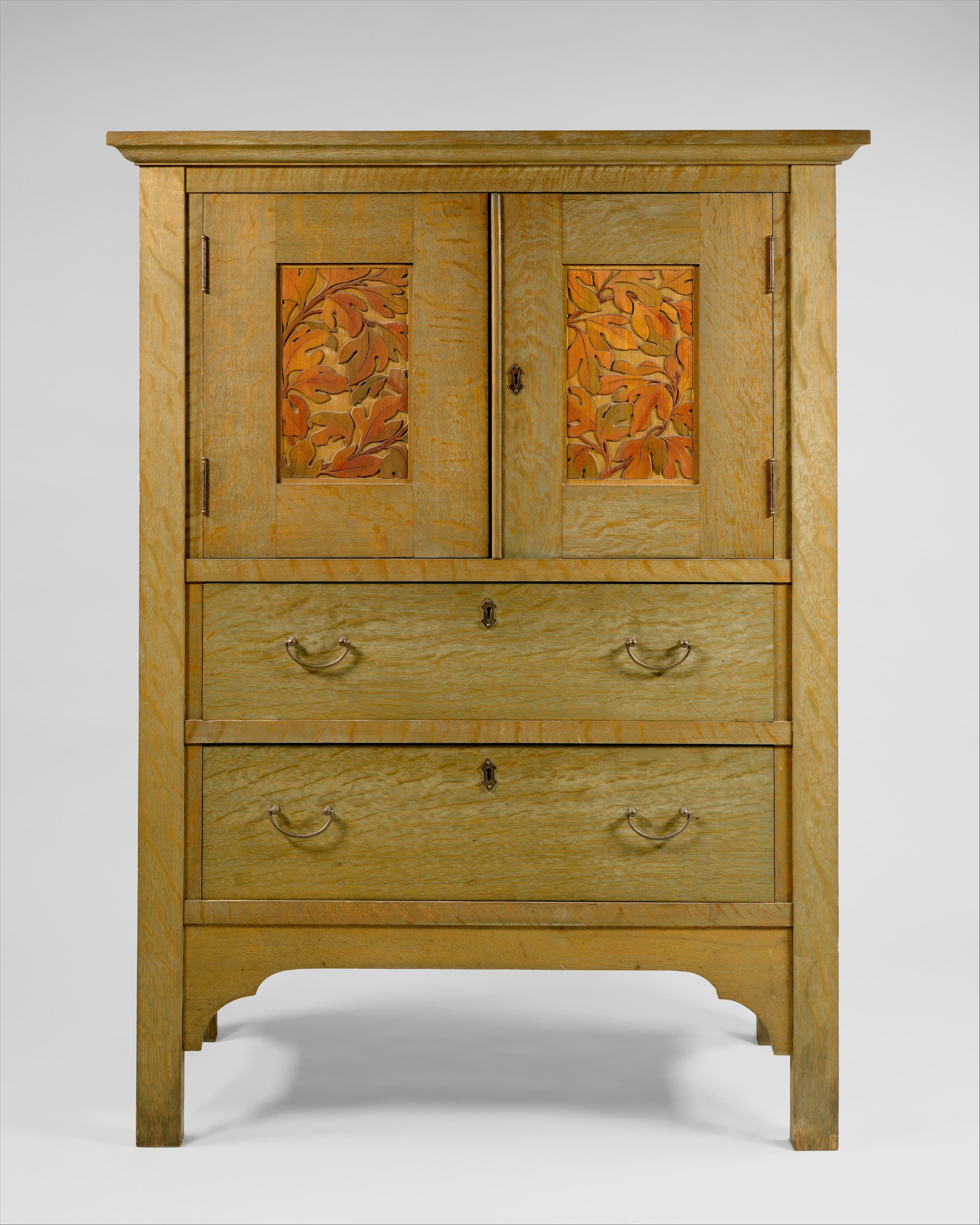
Crafting the Future: Innovations in Material Use and Design
Designers are pushing material boundaries while embracing sustainable crafts, offering a blueprint for future creative practices.
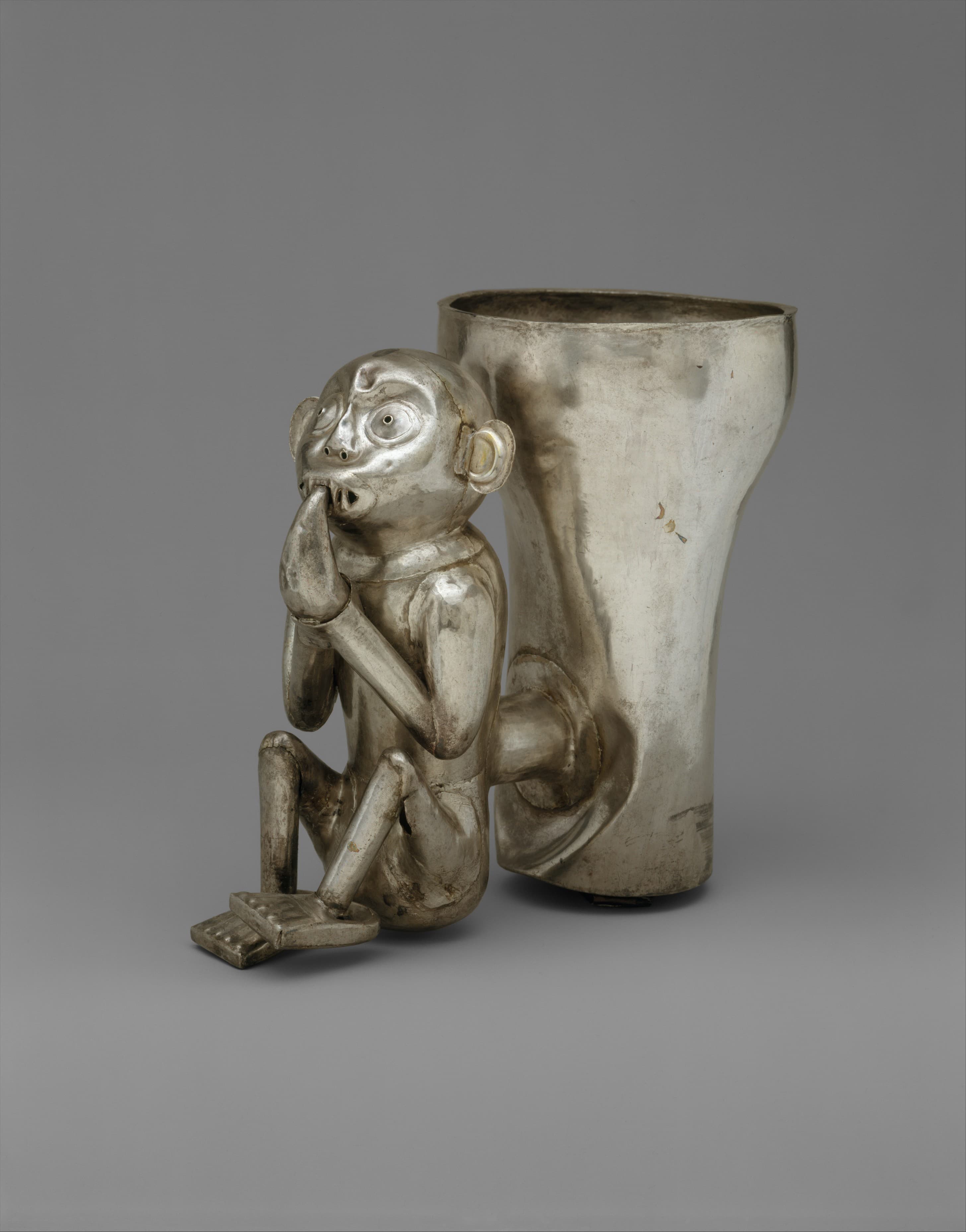
Radhika Chitalia and the Passport as a Vessel for Memory
Radhika Chitalia transforms her late father's passport into a tactile record of loss, reframing its pages as carriers of grief and remembrance.