
Shaping Identity: Cultural Reflections in Contemporary Ceramics
Across workshops in Lagos, Accra, and beyond, ceramics are becoming vessels for intricate expressions of cultural heritage, blending time-honoured techniques with modern aesthetics.

At Zinkari Ceramics Studio in Surulere, Lagos, a clay vessel embodies more than utility. Its surface features a geometric pattern inspired by uli symbols of southeastern Nigeria, reinterpreting communal memory through contemporary expression. “Uli patterns contain stories,” says Okechukwu Nnodim, the studio’s founder, as he softens a slab of clay. “I’m not preserving them like museum artefacts. I’m speaking to them, asking what they can mean now.”
Nnodim represents a wave of artists in West Africa exploring identity through ceramics. In Accra, Ghanian artist Adwoba Serwah showcased Earthlines (2023), a series of ceramic installations with Kente-inspired designs. Each piece features multicoloured bands mimicking Kente cloth weaving patterns, etched into clay. “Clay is political,” Serwah remarked at the exhibit’s opening. “It reminds us of where we come from, but it also challenges us to think about where we are going.”
Ceramics are gaining renewed significance as cultural reflections. In Lagos, four new ceramic workshops have emerged since 2020, including the Ikoyi Pottery Club and Lagos Clay Collective. The latter hosted Firing the Future, an exhibition showcasing emerging ceramicists blending Yoruba mythology with modern glazes. Many artists trained abroad, at institutions like the Royal College of Art, before returning to Nigeria to reinterpret traditions. Yet challenges persist.
“The market can be frustrating,” admits Oluyemi Adebayo, whose ceramic masks explore migration themes. “People here still see clay as a functional material, not an artistic one. But that just pushes us to educate through our work.” Adebayo’s pieces range from ₦400,000 to ₦600,000 ($520–780), reflecting the intensive labor involved.
Ceramic workshops are forging partnerships with larger institutions to amplify their impact. The Centre for Contemporary Art, Lagos, hosted a panel titled "Shaping Heritage Through Clay," uniting ceramicists to discuss storytelling through material culture. “Ceramic objects last,” noted curator Mariam Abubakar. “Unlike fibrous materials, they preserve fingerprints, burn marks, imprints of tools. They hold evidence of their making. And that’s what makes them so powerful as vessels for cultural identity.”
However, not all ceramicists align with heritage narratives. In Johannesburg, Zanele Kupa’s Fired Histories series (2023) adopts a critical stance. Her stark black-and-white sculptures depict fractured figures, often missing limbs or faces. “I’m not celebrating heritage,” Kupa stated during a virtual conversation. “I’m mourning its erasure. Clay breaks, and that fragility feels honest when we talk about what’s been lost.”
The tension between celebration and critique shapes global discourse on ceramics. The British Museum’s Clay and Community exhibition (2023), featuring African ceramicists like Nnodim and Kupa, highlighted ceramics as both archive and argument. A review in Frieze Magazine called it “a necessary intervention into the largely Western canon of ceramic art.” Yet some Nigerian artists express skepticism toward international platforms. “It’s easy for these institutions to romanticise our work,” Nnodim warns. “They want us to represent ‘tradition,’ but tradition is not static. It moves, it adapts.”
This adaptability is evident in African ceramic studios. Many practitioners experiment with hybrid firing methods, merging wood-fired kilns with electric ones for unique effects. Others source clays locally to reduce reliance on imports. These innovations demonstrate a commitment to sustainability and reclaim agency over production.
The commercial market for ceramics in Africa remains nascent compared to the West, where collectors pay five-figure sums for contemporary craft. Yet interest is rising. In Nigeria, brands like Lulé Atelier commission custom ceramic tableware for high-end restaurants, while galleries such as Art Twenty One feature ceramics in contemporary art rosters.
What remains unresolved is whether this momentum can sustain itself without external validation. Most ceramicists desire greater local appreciation—not just in sales but as cultural contributions. “It’s not just about buying my pots,” Nnodim emphasizes. “It’s about valuing the stories they tell.”
For now, stories continue to be shaped, glazed, and fired in workshops across Lagos, Accra, and beyond. What these ceramic vessels contain—whether celebration, critique, or both—will resonate long after the kiln cools.
- *Earthlines* Exhibition — Nubuke Foundation
- Ceramics: Contemporary Conversations — Contemporary And (C&)
- *Clay and Community* Exhibition — British Museum
- Art Twenty One Gallery — Art Twenty One
- Centre for Contemporary Art, Lagos — CCA Lagos
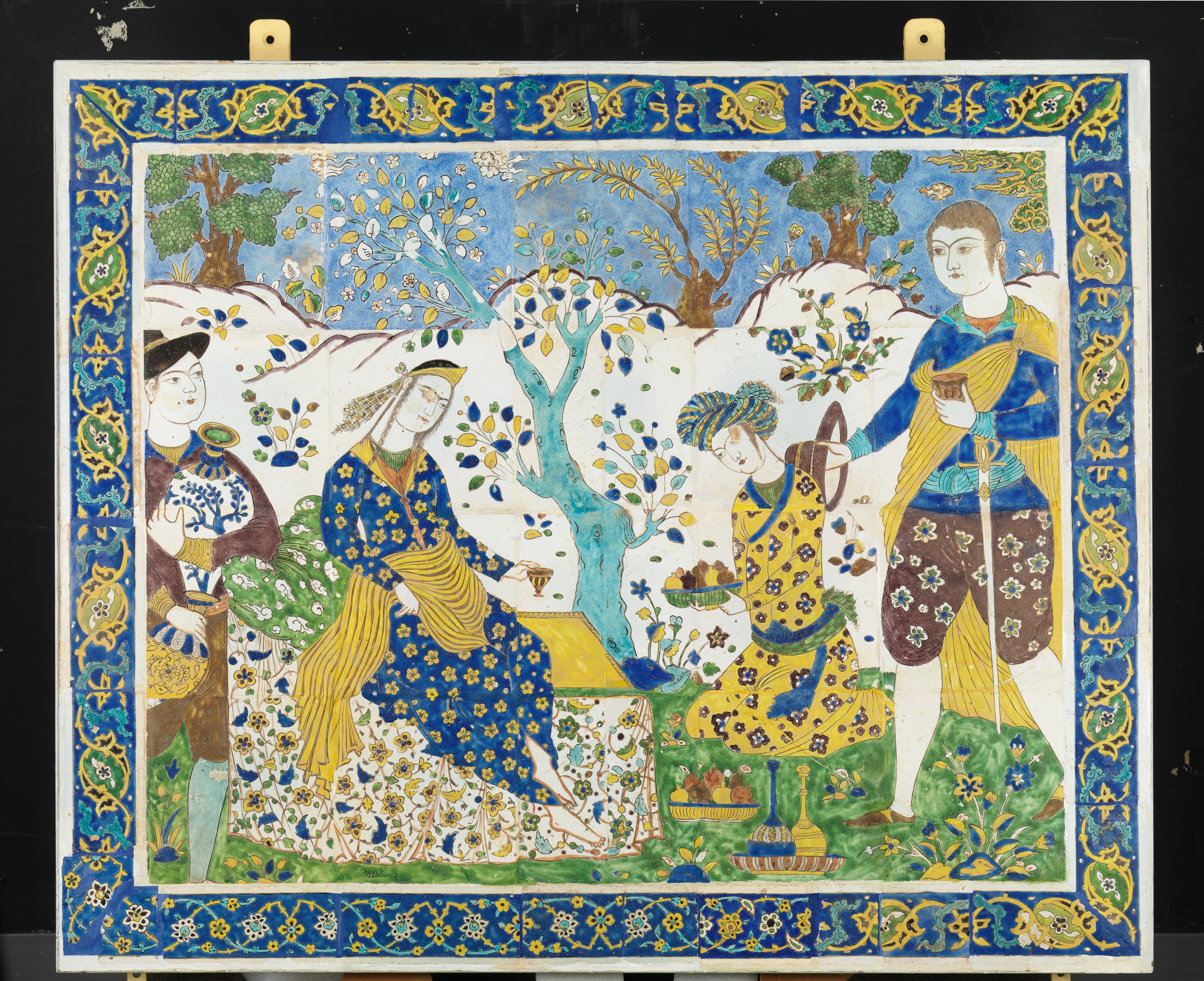
Craftsmanship Renewed: Traditional Techniques in Modern Design
In an era of mass production, contemporary designers are reasserting the importance of craftsmanship, merging time-honoured skills with modern aesthetics to create objects that resonate on personal and cultural levels.
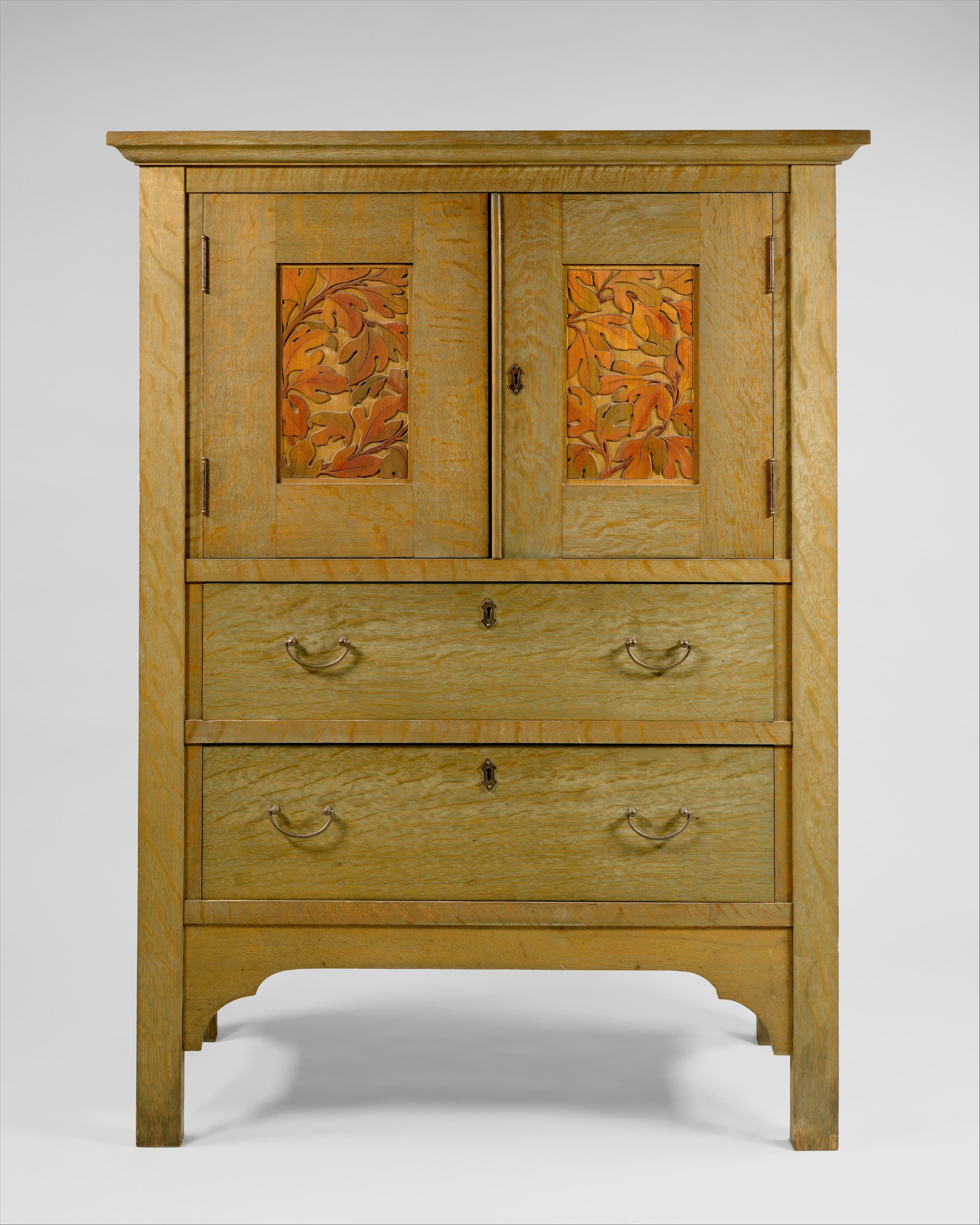
Crafting the Future: Innovations in Material Use and Design
Designers are pushing material boundaries while embracing sustainable crafts, offering a blueprint for future creative practices.
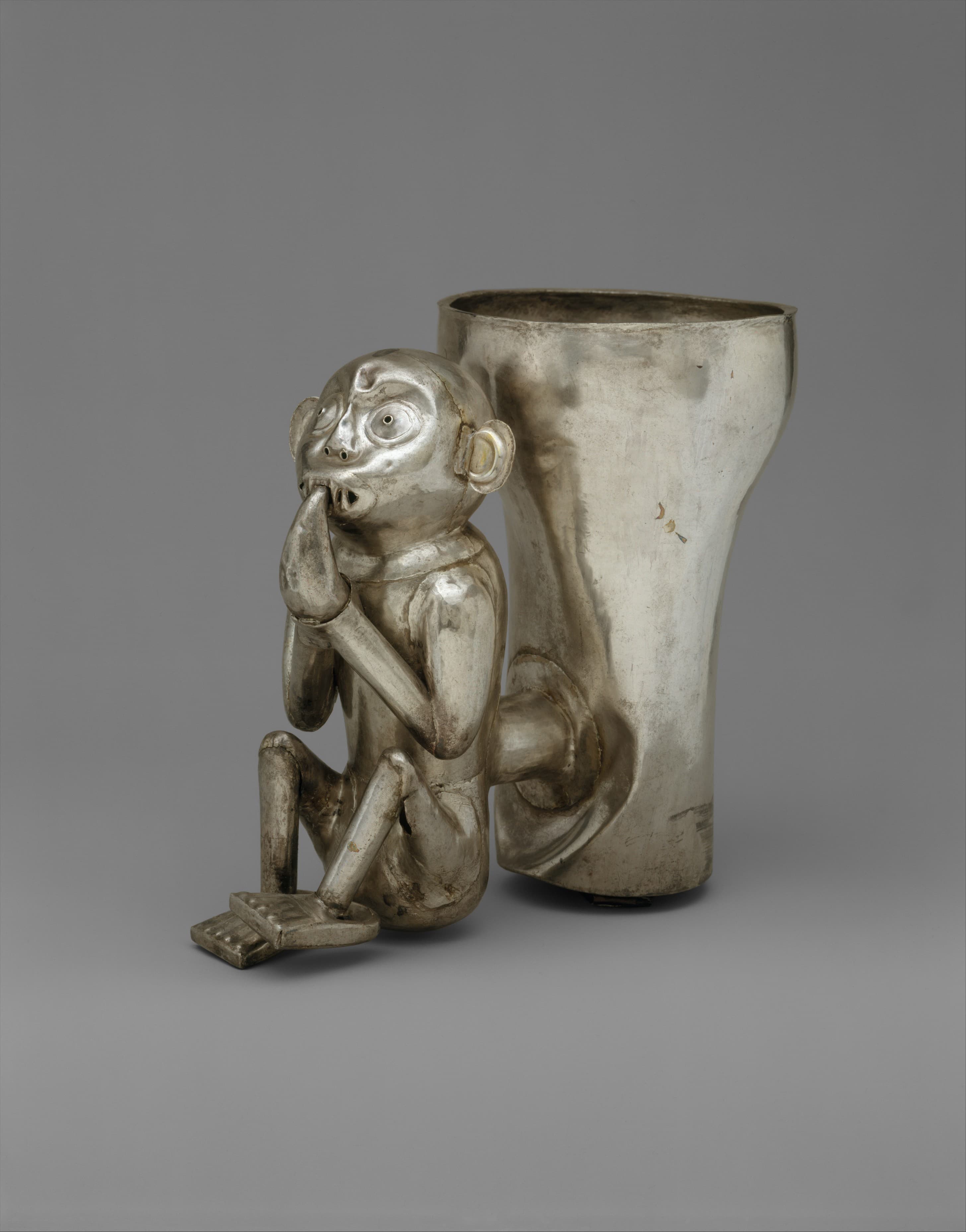
Radhika Chitalia and the Passport as a Vessel for Memory
Radhika Chitalia transforms her late father's passport into a tactile record of loss, reframing its pages as carriers of grief and remembrance.